THE ADVENTURE COLLECTIVE® · Independent discovery and booking for outdoor travel

Trace the UAE’s cultural coastline on a private half-day from Dubai, exploring Sharjah’s blue-tiled souqs, historic fort, and Islamic heritage before drifting along Ajman’s easygoing Corniche and fort museum. It’s a fast-moving, insight-rich loop with cooling interiors and postcard waterfront views.
Trace the UAE’s cultural coastline on a private half-day from Dubai, exploring Sharjah’s blue-tiled souqs, historic fort, and Islamic heritage before drifting along Ajman’s easygoing Corniche and fort museum. It’s a fast-moving, insight-rich loop with cooling interiors and postcard waterfront views.
The call to prayer rolls over Khalid Lagoon as your private guide steers along palm-lined corniches, the Gulf flashing silver to your right and the blue-tiled silhouette of Sharjah’s Central Souk to your left. Air-conditioning fades when the door opens and the city’s warmth greets you; minarets point the way while the sea breeze nudges dhows at anchor, urging the morning forward.
Verified experiences and guided adventures in the surrounding area.
Operated by Oman Day Tours · Sharjah, Sharjah
The call to prayer rolls over Khalid Lagoon as your private guide steers along palm-lined corniches, the Gulf flashing silver to your right and the blue-tiled silhouette of Sharjah’s Central Souk to your left. Air-conditioning fades when the door opens and the city’s warmth greets you; minarets point the way while the sea breeze nudges dhows at anchor, urging the morning forward.
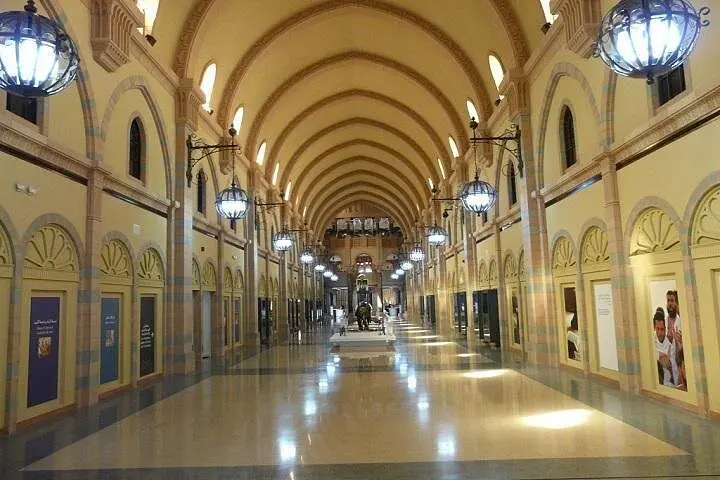
This half-day circuit threads two neighboring emirates—Sharjah and Ajman—long linked by trade, pearling, and boatbuilding. In Sharjah, the UNESCO-recognized cultural capital, history is hands-on. At Al Hisn (Sharjah Fort), coral stone and teak beams tell a 19th-century story of Al Qasimi rule and coastal defense. Nearby, the Museum of Islamic Civilization lays out centuries of science, art, and daily life with quietly stunning artifacts. The King Faisal Mosque dominates the skyline; access for non‑Muslims varies, but even a slow walk around its vast exterior reveals the geometry and restraint of Gulf architecture.
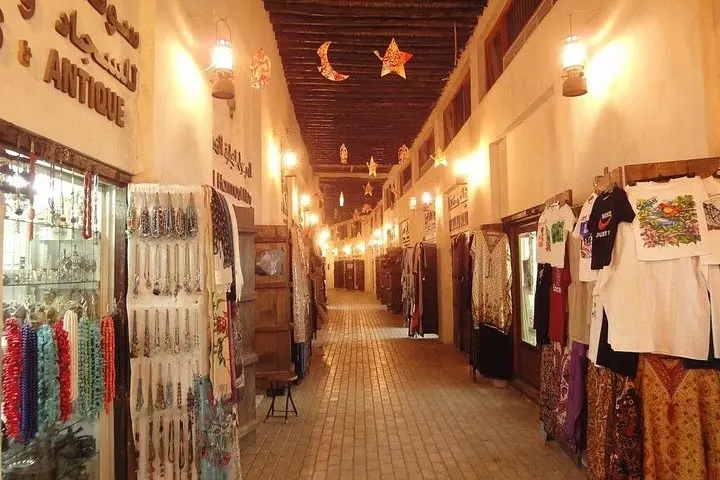
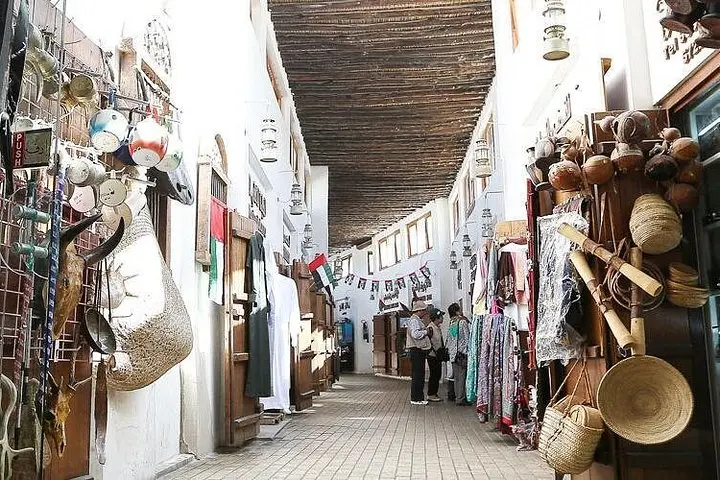
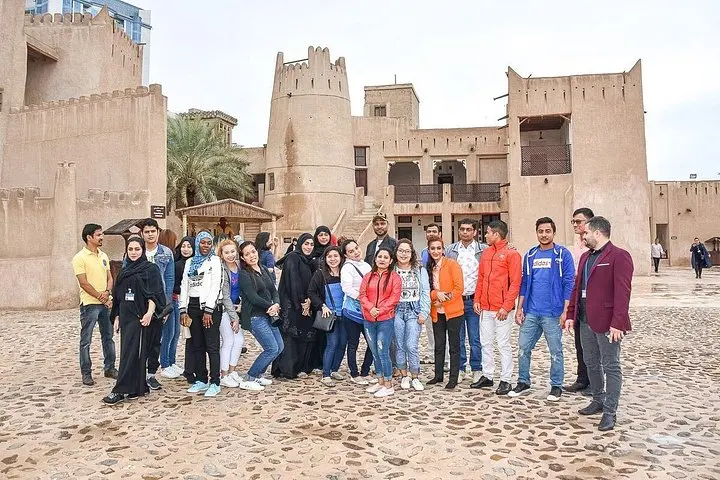
Souq Al Arsah, one of the country’s oldest marketplaces, still trades in brass coffee pots, oud, and handwoven textiles. The city’s famed “Blue Souk” (Central Market) beckons with carpets, gold, and ceramics, the twin buildings linked by bridges that frame classic skyline shots across the water. Ajman adds a softer cadence: the Corniche strolls past fishing skiffs and cafés, while Ajman Museum—set inside an 18th-century fort—unpacks a smaller emirate’s big maritime past.
Logistics are refreshingly simple. The tour runs 4–5 hours with private hotel pickup in Dubai. Expect short transfers between sites and light walking on flat pavement. Modest dress is essential for mosque areas (shoulders and knees covered; women should bring a scarf), and respectful photography is the rule—ask before shooting people and heed any no-camera signs in prayer halls or galleries.
Climate shapes the day. From May through September, the desert reminds you who’s in charge; go early, move between shaded interiors, and hydrate. October to April is prime: mild air, clearer horizons, and lively cultural calendars. Bring cash for souqs (many stalls accept cards, but cash makes bargaining smoother), and time your visit around Friday prayer when some venues close midday.
What stays with you isn’t just the checklist of museums and mosques; it’s the way the Gulf light plays off blue tiles, how a vendor’s smile softens the haggle, and how these two emirates—one celebrated for culture, one compact and sea-forward—work together to turn a short escape into a fuller picture of the UAE.
Access is at the mosque’s discretion and often limited to exterior areas for non‑Muslims. Your guide will advise on current policies; always dress modestly and follow staff instructions.
Yes. The route involves short transfers and light walking on mostly flat terrain. Strollers are fine; wheelchairs are possible in most museums with assistance.
Private transport with driver‑guide, bottled water, hotel pickup/drop-off, and select entry fees (e.g., Sharjah Fort and Ajman Museum) are typically included. Meals are not included.
Morning departures offer cooler temperatures and calmer souqs. Late afternoon is also pleasant, especially October–April, with softer light along the corniche.
Light, breathable clothing that covers shoulders and knees; women should bring a headscarf for mosque areas. Comfortable closed-toe shoes are recommended.
Yes. As a private tour, your guide can adjust pacing and stops within the time window—just discuss your interests at the start.
Oman Day Tours operates guided outdoor trips and adventures with an emphasis on safety, stewardship, and memorable experiences.
The call to prayer rolls over Khalid Lagoon as your private guide steers along palm-lined corniches, the Gulf flashing silver to your right and the blue-tiled silhouette of Sharjah’s Central Souk to your left. Air-conditioning fades when the door opens and the city’s warmth greets you; minarets point the way while the sea breeze nudges dhows at anchor, urging the morning forward.
The call to prayer rolls over Khalid Lagoon as your private guide steers along palm-lined corniches, the Gulf flashing silver to your right and the blue-tiled silhouette of Sharjah’s Central Souk to your left. Air-conditioning fades when the door opens and the city’s warmth greets you; minarets point the way while the sea breeze nudges dhows at anchor, urging the morning forward.
This half-day circuit threads two neighboring emirates—Sharjah and Ajman—long linked by trade, pearling, and boatbuilding. In Sharjah, the UNESCO-recognized cultural capital, history is hands-on. At Al Hisn (Sharjah Fort), coral stone and teak beams tell a 19th-century story of Al Qasimi rule and coastal defense. Nearby, the Museum of Islamic Civilization lays out centuries of science, art, and daily life with quietly stunning artifacts. The King Faisal Mosque dominates the skyline; access for non‑Muslims varies, but even a slow walk around its vast exterior reveals the geometry and restraint of Gulf architecture.
Souq Al Arsah, one of the country’s oldest marketplaces, still trades in brass coffee pots, oud, and handwoven textiles. The city’s famed “Blue Souk” (Central Market) beckons with carpets, gold, and ceramics, the twin buildings linked by bridges that frame classic skyline shots across the water. Ajman adds a softer cadence: the Corniche strolls past fishing skiffs and cafés, while Ajman Museum—set inside an 18th-century fort—unpacks a smaller emirate’s big maritime past.
Logistics are refreshingly simple. The tour runs 4–5 hours with private hotel pickup in Dubai. Expect short transfers between sites and light walking on flat pavement. Modest dress is essential for mosque areas (shoulders and knees covered; women should bring a scarf), and respectful photography is the rule—ask before shooting people and heed any no-camera signs in prayer halls or galleries.
Climate shapes the day. From May through September, the desert reminds you who’s in charge; go early, move between shaded interiors, and hydrate. October to April is prime: mild air, clearer horizons, and lively cultural calendars. Bring cash for souqs (many stalls accept cards, but cash makes bargaining smoother), and time your visit around Friday prayer when some venues close midday.
What stays with you isn’t just the checklist of museums and mosques; it’s the way the Gulf light plays off blue tiles, how a vendor’s smile softens the haggle, and how these two emirates—one celebrated for culture, one compact and sea-forward—work together to turn a short escape into a fuller picture of the UAE.