THE ADVENTURE COLLECTIVE® · Independent discovery and booking for outdoor travel

Walk Sharjah’s restored streets with a local guide and discover why it’s the UAE’s cultural capital—museums, restored heritage buildings, and lively arts districts await on this easy two-hour city stroll.
Walk Sharjah’s restored streets with a local guide and discover why it’s the UAE’s cultural capital—museums, restored heritage buildings, and lively arts districts await on this easy two-hour city stroll.
The morning air along Sharjah’s city center smells faintly of spice and sea; the creek pushes at the edges of the old stone quay while narrow alleys thread between low-rise buildings painted in sun-washed beige. On this two-hour walking tour a local guide leads you through lanes where Arabic calligraphy spills over gallery façades and bronzed doors open onto courtyards with palm shade.
Verified experiences and guided adventures in the surrounding area.
Operated by Opatrip.com United Arab Emirates · Sharjah, Sharjah
The morning air along Sharjah’s city center smells faintly of spice and sea; the creek pushes at the edges of the old stone quay while narrow alleys thread between low-rise buildings painted in sun-washed beige. On this two-hour walking tour a local guide leads you through lanes where Arabic calligraphy spills over gallery façades and bronzed doors open onto courtyards with palm shade.
Sharjah earned the title Cultural Capital of the Arab World for its museums, restoration of heritage neighborhoods, and thoughtful preservation of Islamic art. Expect stops by key civic sites, views across the creek, and stories about the emirate’s role in regional trade during the Abbasid and Umayyad eras—artifacts like silver dinars and Mughal-influenced pieces remain central to local collections. Geologically the city sits on a low coastal plain at the head of the Arabian Gulf; the landscape is urban but edged by mangroves and salt flats that shaped its maritime history.
Practical details: the pace is easy and mostly flat, with short distances between stops suited to first-time visitors and families. Wear closed-toe walking shoes, bring water and sun protection, and be prepared for modest dress in line with local customs. Mornings and late afternoons are best—avoid midday heat in summer. The guide will handle navigation and local context, leaving you free to photograph carved doors, visit a small arts venue, and listen to neighborhood legends that surface only on foot.
The tour lasts approximately two hours and covers the main city center sites with several short stops for stories and photos.
Museum admissions are not included—this walking tour focuses on outdoor and heritage areas; guides can advise on where to buy tickets separately.
Yes, the pace is gentle and suitable for families and older visitors, though those with mobility issues should note occasional uneven pavement.
Tours are typically led in English; private bookings may offer other languages—confirm with the operator when booking.
Opatrip.com United Arab Emirates operates guided outdoor trips and adventures with an emphasis on safety, stewardship, and memorable experiences.
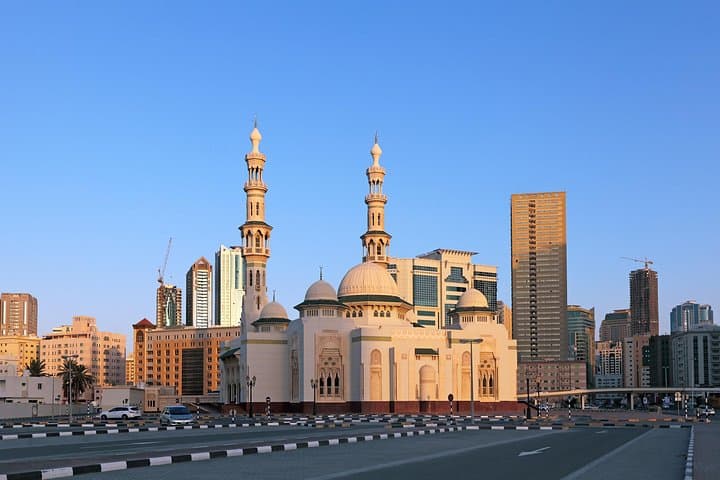
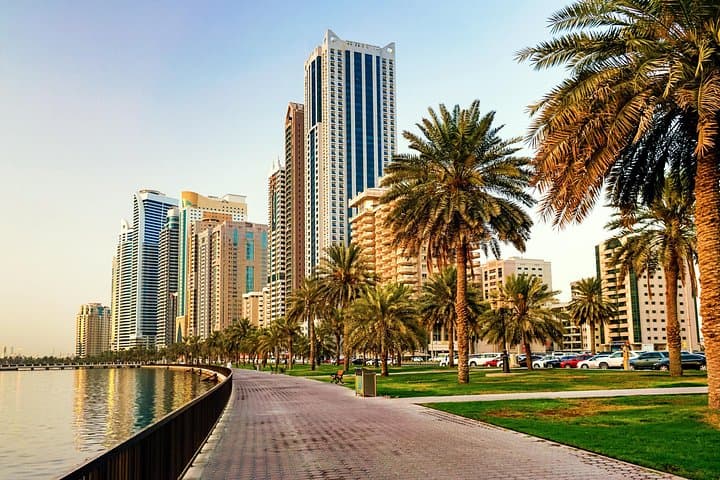
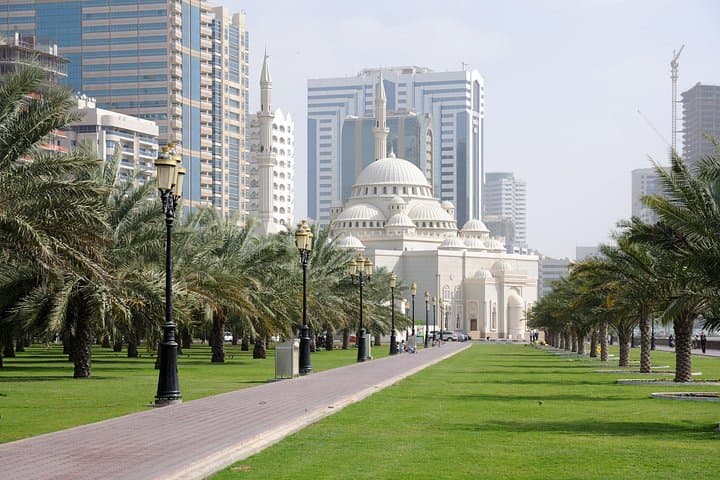
The morning air along Sharjah’s city center smells faintly of spice and sea; the creek pushes at the edges of the old stone quay while narrow alleys thread between low-rise buildings painted in sun-washed beige. On this two-hour walking tour a local guide leads you through lanes where Arabic calligraphy spills over gallery façades and bronzed doors open onto courtyards with palm shade.
The morning air along Sharjah’s city center smells faintly of spice and sea; the creek pushes at the edges of the old stone quay while narrow alleys thread between low-rise buildings painted in sun-washed beige. On this two-hour walking tour a local guide leads you through lanes where Arabic calligraphy spills over gallery façades and bronzed doors open onto courtyards with palm shade.
Sharjah earned the title Cultural Capital of the Arab World for its museums, restoration of heritage neighborhoods, and thoughtful preservation of Islamic art. Expect stops by key civic sites, views across the creek, and stories about the emirate’s role in regional trade during the Abbasid and Umayyad eras—artifacts like silver dinars and Mughal-influenced pieces remain central to local collections. Geologically the city sits on a low coastal plain at the head of the Arabian Gulf; the landscape is urban but edged by mangroves and salt flats that shaped its maritime history.
Practical details: the pace is easy and mostly flat, with short distances between stops suited to first-time visitors and families. Wear closed-toe walking shoes, bring water and sun protection, and be prepared for modest dress in line with local customs. Mornings and late afternoons are best—avoid midday heat in summer. The guide will handle navigation and local context, leaving you free to photograph carved doors, visit a small arts venue, and listen to neighborhood legends that surface only on foot.