THE ADVENTURE COLLECTIVE® · Independent discovery and booking for outdoor travel

Spend four focused hours moving from museum galleries to market alleys in Sharjah, the UAE’s cultural capital. This guided tour covers the Blue Souk, Sharjah Museum of Islamic Civilization, King Faisal Mosque and local fish market with accessible, AC transport and museum admission included.
Spend four focused hours moving from museum galleries to market alleys in Sharjah, the UAE’s cultural capital. This guided tour covers the Blue Souk, Sharjah Museum of Islamic Civilization, King Faisal Mosque and local fish market with accessible, AC transport and museum admission included.
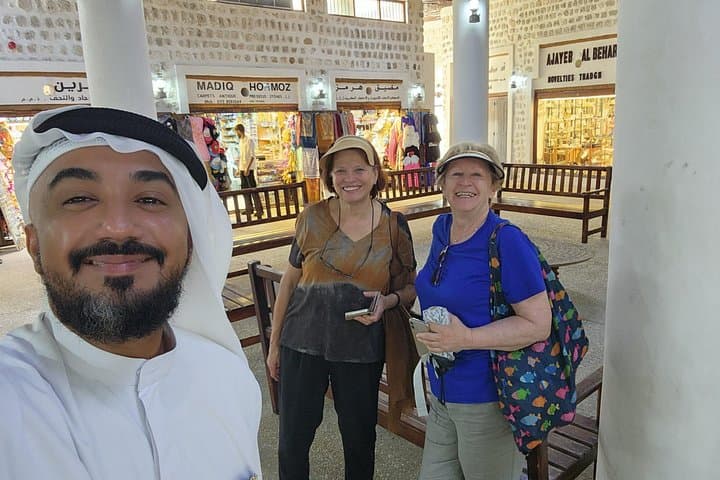
You step out of an air-conditioned van into the sun-baked plaza near the Blue Souk; stone and blue-tiled arches throw sharp shadows while vendors call across narrow alleys. The guide leads the group past the Quran Roundabout—a raised pedestal where the Quran stares down traffic—and toward the Sharjah Museum of Islamic Civilization, where glazed pottery and manuscripts quiet the senses.
Verified experiences and guided adventures in the surrounding area.
Operated by Desert Way Tourism · Sharjah, Sharjah
You step out of an air-conditioned van into the sun-baked plaza near the Blue Souk; stone and blue-tiled arches throw sharp shadows while vendors call across narrow alleys. The guide leads the group past the Quran Roundabout—a raised pedestal where the Quran stares down traffic—and toward the Sharjah Museum of Islamic Civilization, where glazed pottery and manuscripts quiet the senses.
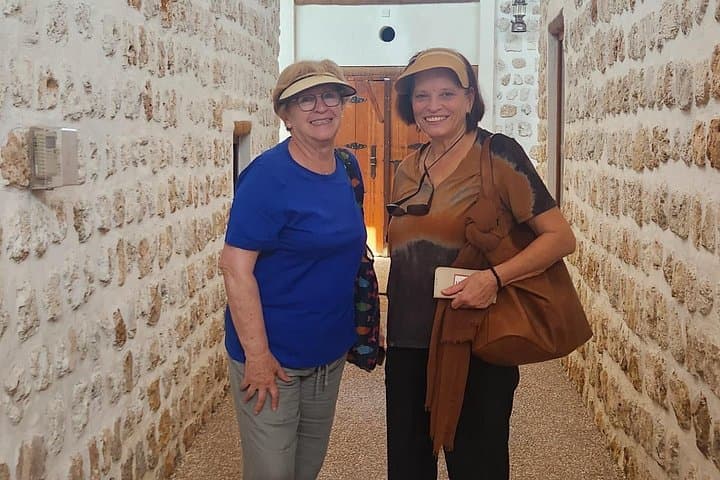
Sharjah wears history plainly. Once a pearl-trading hub and now the UAE’s cultural capital, its restored heart preserves merchant houses like Bait Al Naboodah and the solid geometry of mosques such as King Faisal Mosque. Geology here is coastal plain and reclaimed shoreline; the emirate uniquely touches both the Persian Gulf and the Gulf of Oman, which shaped its fishing and trading economy.
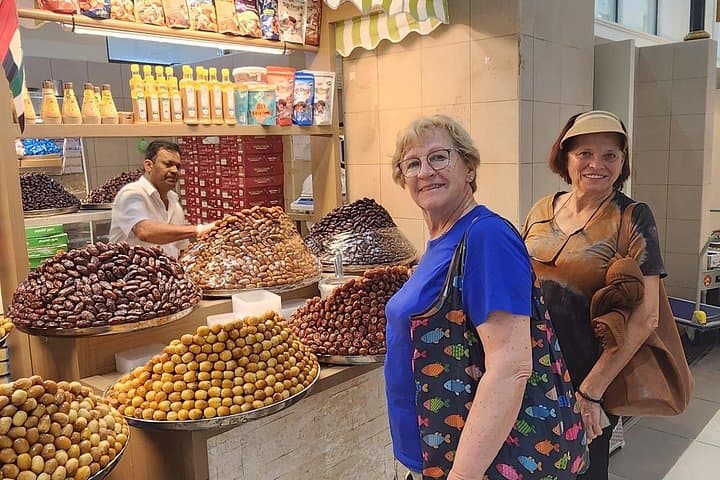
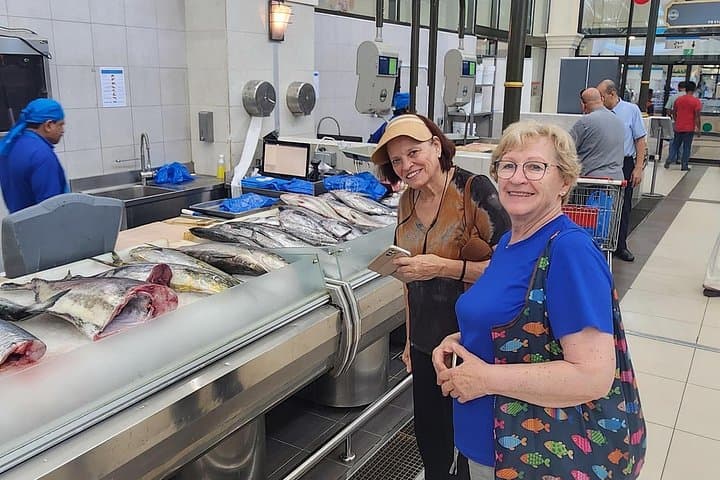
The day moves from museum halls to the Blue Souk’s corridors, where craftsmen and perfumers keep long-practiced trades alive, and finally to Souq Al Jubail’s fish market for a brisk, salty snapshot of local life. Guides explain Islamic art, Ottoman-era objects, and how modern conservation balances development with heritage.
Practicalities: the tour runs about four hours and includes museum admission, bottled water, and an AC vehicle. Wear comfortable shoes and modest clothing; mornings or late afternoons avoid peak heat. Expect short walks over paved streets and accessible museum exhibits—most stops are wheelchair friendly. Bring sunscreen, a refillable water bottle, and an open ticket to photos; bargaining is part of the souk experience but be respectful. For travelers wanting a concentrated cultural primer on Sharjah, this timed loop covers the highlights with local context and minimal effort.
Yes—transportation and most museum exhibits are wheelchair accessible; let the operator know any mobility needs when booking.
Yes—the Sharjah Museum of Islamic Civilization admission is included in the tour price as listed.
Pickup options often include central Dubai hotels; travel time can be about 30–60 minutes depending on traffic and pickup location.
Photography is generally allowed in public souk areas and many museum galleries, but some exhibits may restrict flash or close-up photos—follow guide instructions.
Desert Way Tourism operates guided outdoor trips and adventures with an emphasis on safety, stewardship, and memorable experiences.
You step out of an air-conditioned van into the sun-baked plaza near the Blue Souk; stone and blue-tiled arches throw sharp shadows while vendors call across narrow alleys. The guide leads the group past the Quran Roundabout—a raised pedestal where the Quran stares down traffic—and toward the Sharjah Museum of Islamic Civilization, where glazed pottery and manuscripts quiet the senses.
You step out of an air-conditioned van into the sun-baked plaza near the Blue Souk; stone and blue-tiled arches throw sharp shadows while vendors call across narrow alleys. The guide leads the group past the Quran Roundabout—a raised pedestal where the Quran stares down traffic—and toward the Sharjah Museum of Islamic Civilization, where glazed pottery and manuscripts quiet the senses.
Sharjah wears history plainly. Once a pearl-trading hub and now the UAE’s cultural capital, its restored heart preserves merchant houses like Bait Al Naboodah and the solid geometry of mosques such as King Faisal Mosque. Geology here is coastal plain and reclaimed shoreline; the emirate uniquely touches both the Persian Gulf and the Gulf of Oman, which shaped its fishing and trading economy.
The day moves from museum halls to the Blue Souk’s corridors, where craftsmen and perfumers keep long-practiced trades alive, and finally to Souq Al Jubail’s fish market for a brisk, salty snapshot of local life. Guides explain Islamic art, Ottoman-era objects, and how modern conservation balances development with heritage.
Practicalities: the tour runs about four hours and includes museum admission, bottled water, and an AC vehicle. Wear comfortable shoes and modest clothing; mornings or late afternoons avoid peak heat. Expect short walks over paved streets and accessible museum exhibits—most stops are wheelchair friendly. Bring sunscreen, a refillable water bottle, and an open ticket to photos; bargaining is part of the souk experience but be respectful. For travelers wanting a concentrated cultural primer on Sharjah, this timed loop covers the highlights with local context and minimal effort.