THE ADVENTURE COLLECTIVE® · Independent discovery and booking for outdoor travel

Spend a half-day on Sal witnessing lemon sharks in shallow coastal waters, then float in the historic salt crater of Pedra de Lume. This guided tour pairs close wildlife viewing with a short cultural stop at the island’s salines.
Spend a half-day on Sal witnessing lemon sharks in shallow coastal waters, then float in the historic salt crater of Pedra de Lume. This guided tour pairs close wildlife viewing with a short cultural stop at the island’s salines.
A low, bright wind pushes across Sal’s eastern shore as the boat eases into a shallow bay where lemon sharks patrol like cautious neighbors. The water here is clear and warm; the animals — sandy, broad-bodied Negaprion brevirostris — glide near a series of rock outcrops and sand flats while guides keep a steady, watchful circle around visitors.
Verified experiences and guided adventures in the surrounding area.
Operated by sodadetour · Santa Maria, Sal
A low, bright wind pushes across Sal’s eastern shore as the boat eases into a shallow bay where lemon sharks patrol like cautious neighbors. The water here is clear and warm; the animals — sandy, broad-bodied Negaprion brevirostris — glide near a series of rock outcrops and sand flats while guides keep a steady, watchful circle around visitors.
The island’s salt industry shaped this coastline: nearby Pedra de Lume’s volcanic crater was converted into working salines in the 18th and 19th centuries, and today the sun-baked pans arrest light and color in hard-edged bands. Geology is obvious — wind-polished basalt, fossilized reef patches and a long, flat reef shelf that creates the calm, shallow conditions lemon sharks favor.
Culturally, Sal is oriented to the sea: fishing, salt work and tourism have layered local life with practical knowledge of currents and species behavior. Guides share that lemon sharks here are generally non-aggressive when respected and that floating slowly or standing with a relaxed posture keeps interactions low-stress for both people and animals.
Practically, expect a 2.5-hour outing with a hotel pickup, shore briefing and roughly an hour at the bay plus a stop at Pedra de Lume’s salt pools where you can float in dense saline water. Bring reef-safe sunscreen, water shoes and a light cover-up for wind. Follow guide instructions for entering the water, keep movements deliberate, and consider binoculars if you stay onshore. The trip balances wildlife observation with hands-on experience and a quick lesson in the island’s salt-making past.
Local lemon sharks are generally non-aggressive toward people; guides enforce rules to keep interactions calm and safe for both visitors and animals.
No — you can observe from shore or a shallow standing area; entering the water is optional and always supervised by guides.
Yes — the saline concentration makes floating easy; expect salty water and bring a towel and change of clothes.
Children can join but must be supervised; non-swimmers may remain onshore and still have meaningful viewing opportunities.
sodadetour operates guided outdoor trips and adventures with an emphasis on safety, stewardship, and memorable experiences.
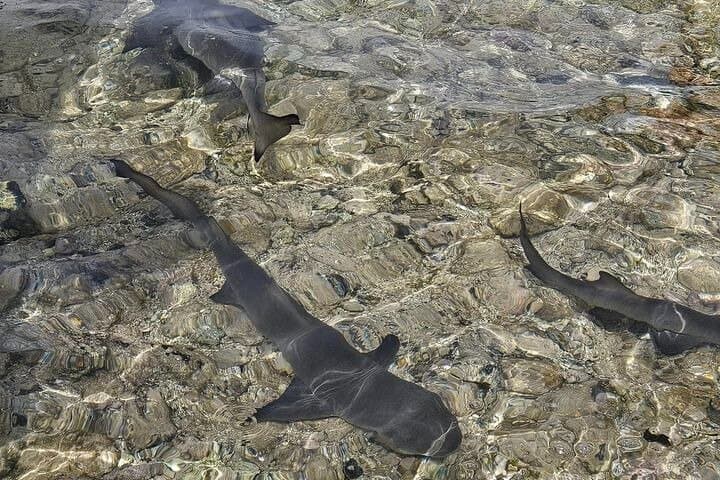
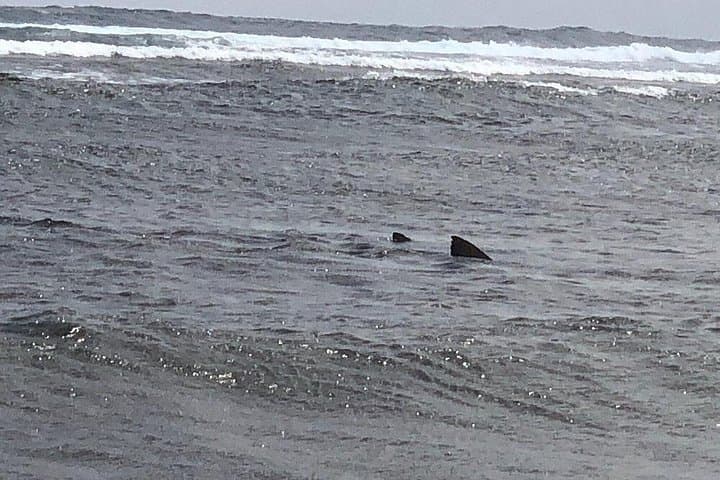
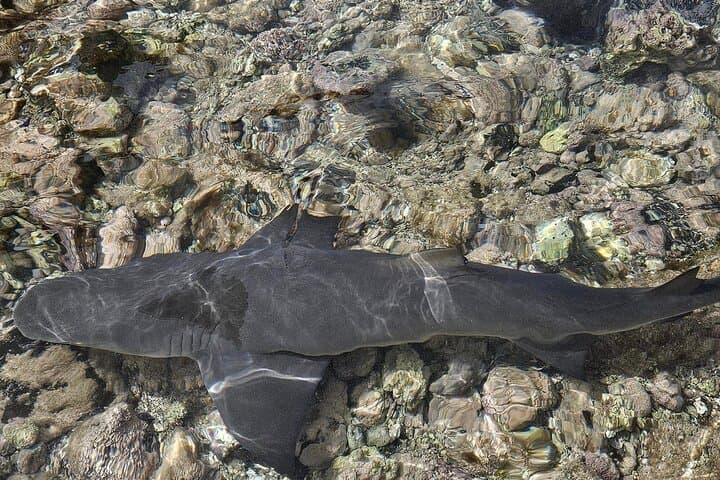
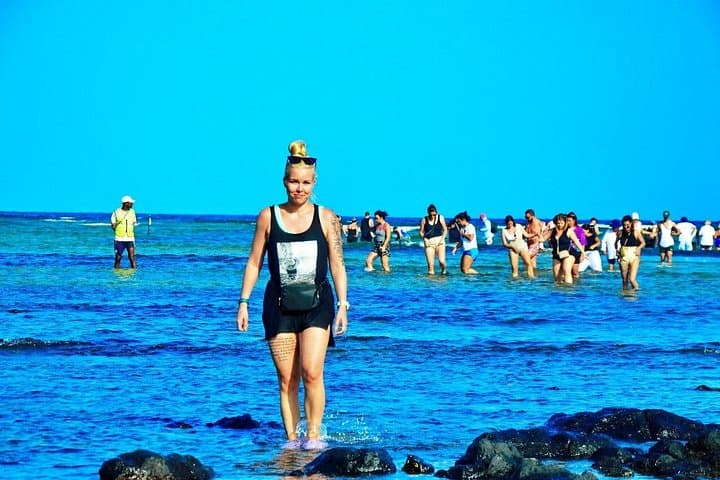
A low, bright wind pushes across Sal’s eastern shore as the boat eases into a shallow bay where lemon sharks patrol like cautious neighbors. The water here is clear and warm; the animals — sandy, broad-bodied Negaprion brevirostris — glide near a series of rock outcrops and sand flats while guides keep a steady, watchful circle around visitors.
A low, bright wind pushes across Sal’s eastern shore as the boat eases into a shallow bay where lemon sharks patrol like cautious neighbors. The water here is clear and warm; the animals — sandy, broad-bodied Negaprion brevirostris — glide near a series of rock outcrops and sand flats while guides keep a steady, watchful circle around visitors.
The island’s salt industry shaped this coastline: nearby Pedra de Lume’s volcanic crater was converted into working salines in the 18th and 19th centuries, and today the sun-baked pans arrest light and color in hard-edged bands. Geology is obvious — wind-polished basalt, fossilized reef patches and a long, flat reef shelf that creates the calm, shallow conditions lemon sharks favor.
Culturally, Sal is oriented to the sea: fishing, salt work and tourism have layered local life with practical knowledge of currents and species behavior. Guides share that lemon sharks here are generally non-aggressive when respected and that floating slowly or standing with a relaxed posture keeps interactions low-stress for both people and animals.
Practically, expect a 2.5-hour outing with a hotel pickup, shore briefing and roughly an hour at the bay plus a stop at Pedra de Lume’s salt pools where you can float in dense saline water. Bring reef-safe sunscreen, water shoes and a light cover-up for wind. Follow guide instructions for entering the water, keep movements deliberate, and consider binoculars if you stay onshore. The trip balances wildlife observation with hands-on experience and a quick lesson in the island’s salt-making past.