THE ADVENTURE COLLECTIVE® · Independent discovery and booking for outdoor travel

Board a research-linked catamaran in Kleinbaai for shark cage diving at Shark Alley—a focused, educational encounter with great whites that includes wetsuits, briefing, and hot lunch.
Board a research-linked catamaran in Kleinbaai for shark cage diving at Shark Alley—a focused, educational encounter with great whites that includes wetsuits, briefing, and hot lunch.
A low swell parts the morning like a curtain and the boat hums toward a scatter of rock — Dyer Island and the narrow channel called Shark Alley. Spray cools your face; the deck smells of diesel and coffee. Crew move with quietly practiced efficiency: wetsuits handed out, a safety briefing, the clank of a round-edged cage lowered into water that has already seen decades of great white study.
Verified experiences and guided adventures in the surrounding area.
Operated by White Shark Ventures · Kleinbaai, Western Cape
A low swell parts the morning like a curtain and the boat hums toward a scatter of rock — Dyer Island and the narrow channel called Shark Alley. Spray cools your face; the deck smells of diesel and coffee. Crew move with quietly practiced efficiency: wetsuits handed out, a safety briefing, the clank of a round-edged cage lowered into water that has already seen decades of great white study.
The stretch of sea off Kleinbaai has been a focal point for researchers and fishermen for more than a century. Strong upwellings around Dyer and Geyser islands feed baitfish, which in turn draw seals and the great white sharks that made this corner of the Western Cape famous. The boats operating here work closely with scientists; conservation and observation go hand-in-hand with tourism.
Expect a 20-minute ride to the baited site, a 2–3 hour window of cage dives and surface viewing, then a return for a hot lunch and debrief. The boat described uses a round-edged cage to reduce harm to animals, and crews provide wetsuits, showers and briefing. Seas can be calm or choppy; currents, wind and visibility vary by season.
Practical tips: take motion-sickness medicine if you’re sensitive, bring a waterproof ID and some cash for optional photos, and wear layered clothing for post-dive winds on deck. Respect the briefing — entry and exit use ladders and timing matters when a large animal is near.
For travelers who want both adrenaline and context, this is a professionally run, research-linked way to see one of the ocean’s most powerful predators while learning about the fragile ecosystem that supports them.
The crossing is typically around 15–25 minutes from Kleinbaai, depending on sea and weather conditions.
No — the activity is designed for non-divers and divers alike; cage viewing does not require certification and staff assist visitors.
Most operators offer a guarantee or a free return dive if no sharks are seen, but policies vary; confirm with the operator at booking.
Children are often allowed but age and safety requirements differ by company; children should be able to follow instructions and handle stairs and ladders.
White Shark Ventures operates guided outdoor trips and adventures with an emphasis on safety, stewardship, and memorable experiences.
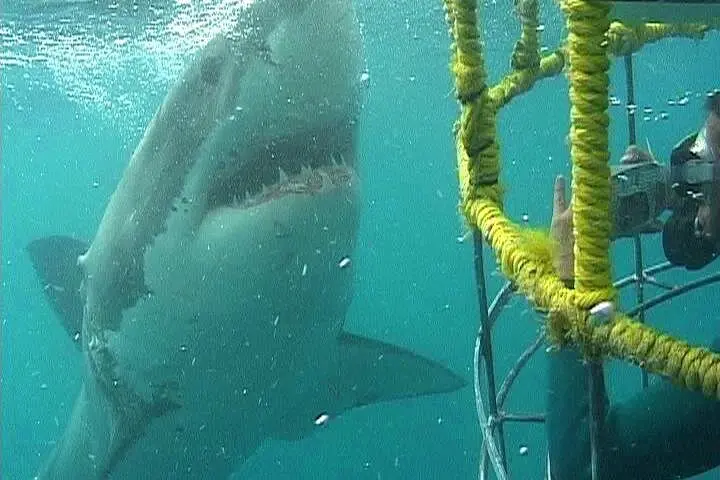
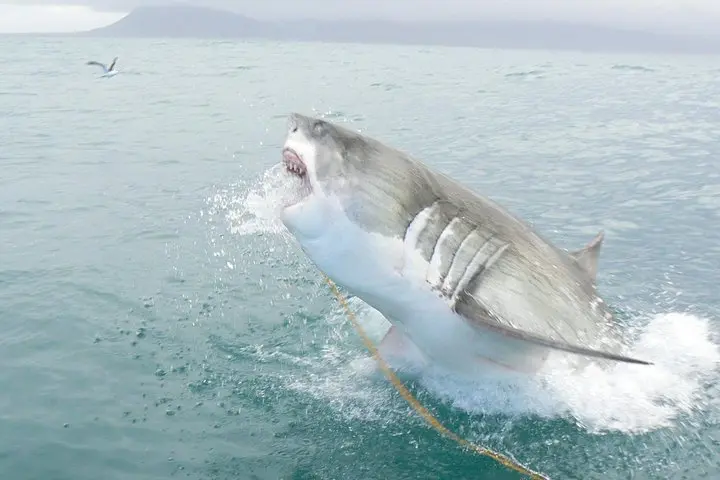
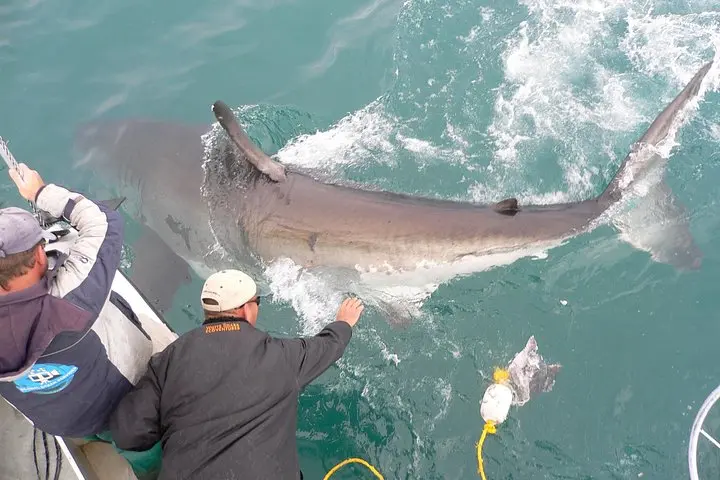
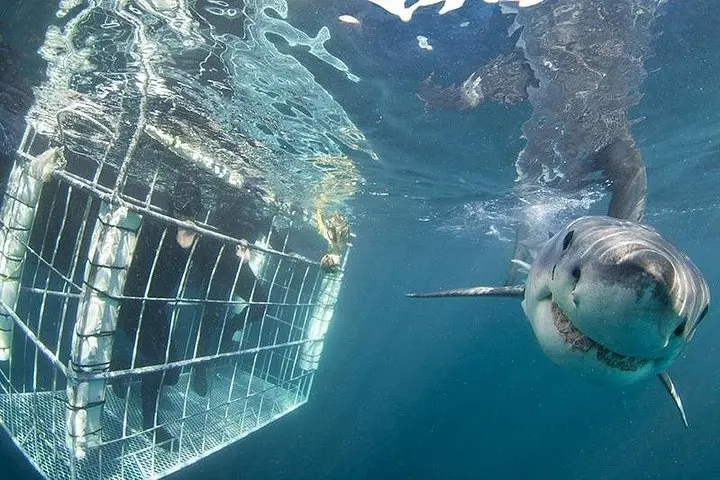
A low swell parts the morning like a curtain and the boat hums toward a scatter of rock — Dyer Island and the narrow channel called Shark Alley. Spray cools your face; the deck smells of diesel and coffee. Crew move with quietly practiced efficiency: wetsuits handed out, a safety briefing, the clank of a round-edged cage lowered into water that has already seen decades of great white study.
A low swell parts the morning like a curtain and the boat hums toward a scatter of rock — Dyer Island and the narrow channel called Shark Alley. Spray cools your face; the deck smells of diesel and coffee. Crew move with quietly practiced efficiency: wetsuits handed out, a safety briefing, the clank of a round-edged cage lowered into water that has already seen decades of great white study.
The stretch of sea off Kleinbaai has been a focal point for researchers and fishermen for more than a century. Strong upwellings around Dyer and Geyser islands feed baitfish, which in turn draw seals and the great white sharks that made this corner of the Western Cape famous. The boats operating here work closely with scientists; conservation and observation go hand-in-hand with tourism.
Expect a 20-minute ride to the baited site, a 2–3 hour window of cage dives and surface viewing, then a return for a hot lunch and debrief. The boat described uses a round-edged cage to reduce harm to animals, and crews provide wetsuits, showers and briefing. Seas can be calm or choppy; currents, wind and visibility vary by season.
Practical tips: take motion-sickness medicine if you’re sensitive, bring a waterproof ID and some cash for optional photos, and wear layered clothing for post-dive winds on deck. Respect the briefing — entry and exit use ladders and timing matters when a large animal is near.
For travelers who want both adrenaline and context, this is a professionally run, research-linked way to see one of the ocean’s most powerful predators while learning about the fragile ecosystem that supports them.