THE ADVENTURE COLLECTIVE® · Independent discovery and booking for outdoor travel

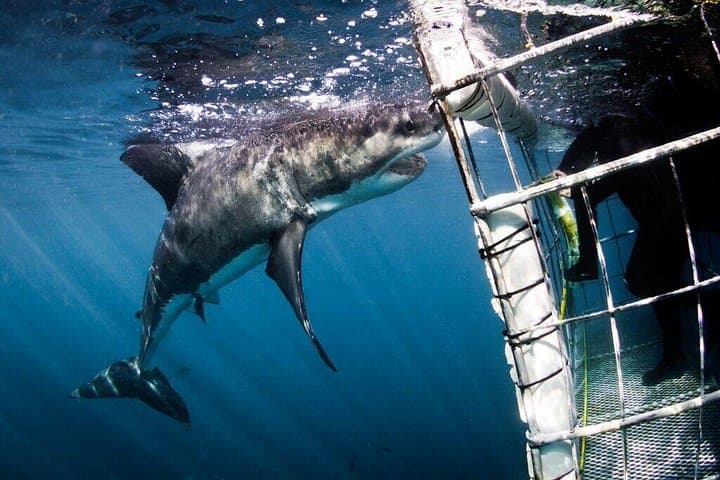
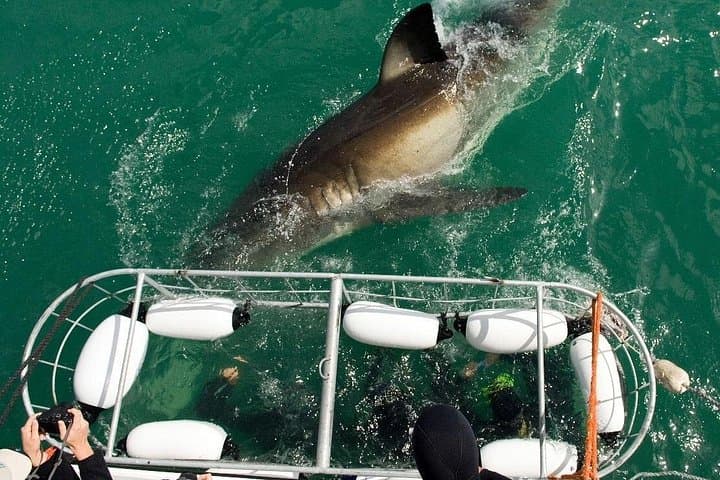
Board a comfortable catamaran in Kleinbaai for a 3‑hour outing to Shark Alley, where experienced guides and a round‑edged cage deliver close, regulated encounters with great white sharks. This Cape Town departure includes transfers, meals and wetsuit rental.
Board a comfortable catamaran in Kleinbaai for a 3‑hour outing to Shark Alley, where experienced guides and a round‑edged cage deliver close, regulated encounters with great white sharks. This Cape Town departure includes transfers, meals and wetsuit rental.
A slow wash of Atlantic wind greets you as the bus slips out of Cape Town and the city cliffs fall away. By the time the ocean reheats into granite-scarred coastline, the boat is waiting in Kleinbaai and the guide's voice over the tannoy has a practical calm: safety, procedure, expectations. The boat hums out toward Shark Alley, the strip of water between Dyer Island and Geyser Rock where currents funnel baitfish and, in turn, attract great whites.
Verified experiences and guided adventures in the surrounding area.
Operated by White Shark Ventures · Gansbaai, Western Cape
A slow wash of Atlantic wind greets you as the bus slips out of Cape Town and the city cliffs fall away. By the time the ocean reheats into granite-scarred coastline, the boat is waiting in Kleinbaai and the guide's voice over the tannoy has a practical calm: safety, procedure, expectations. The boat hums out toward Shark Alley, the strip of water between Dyer Island and Geyser Rock where currents funnel baitfish and, in turn, attract great whites.
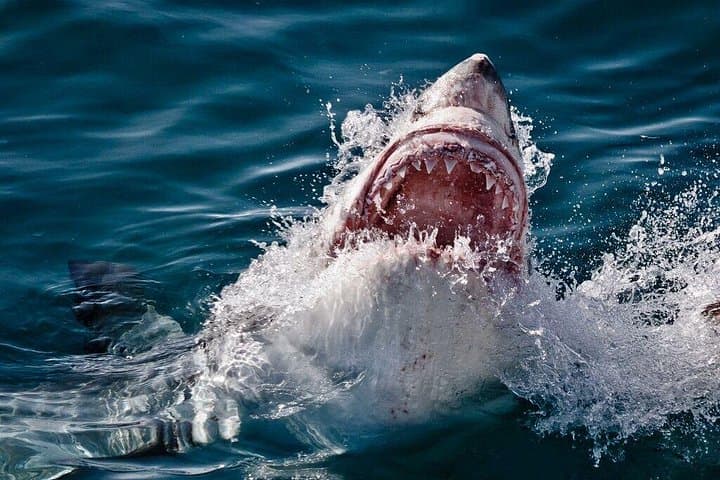
This stretch of the Southern Cape has long been a working shoreline—first sealing and seasonal whaling, later fishing—and today it sits at the intersection of tourism and marine research. Dyer Island is a rock of fossiliferous sandstone and guano, home to Cape gannets and a community of scientists who monitor seals, birds and sharks. The white of the shark's flank flashes against the blue; the ocean seems to test you, daring you to match its tempo.
Practically: tours collect in Cape Town for a 2.5‑hour transfer to Gansbaai, include breakfast, a safety briefing, wetsuit and gear, about three hours at sea and meals. Expect rolling seas; operators use catamarans and round‑edged cages to reduce risk and disturbance. Bring sea‑sickness prevention, layers for wind, and a camera with a secure strap.
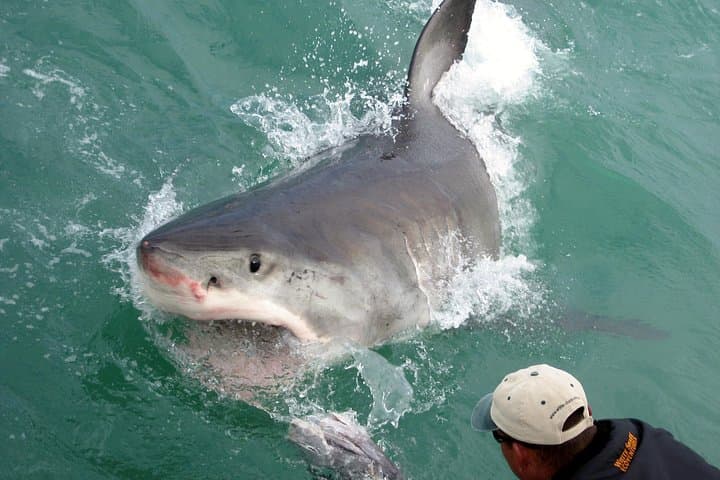
Timing matters—calmer summer mornings and clearer water in late summer improve visibility; winter can mean bigger animals and rougher seas. Respect briefings, follow guides' instructions, and treat the sharks as wild animals—observed, not handled. The result is an intense, educational encounter that balances adrenaline with conservation-minded practice.
No certification is required—most tours use surface‑fed cage access for non‑divers; qualified staff brief you on the procedure.
Both—most operators allow cage access for non‑certified divers and viewing from deck for those who prefer not to enter the water.
Yes—this product includes round‑trip transfers from Cape Town metropolitan pickup points; confirm your pickup on booking.
Operators typically use limited chumming to attract sharks; reputable companies follow protocols to minimize conditioning and avoid harm, and many contribute to research and monitoring.
White Shark Ventures operates guided outdoor trips and adventures with an emphasis on safety, stewardship, and memorable experiences.
A slow wash of Atlantic wind greets you as the bus slips out of Cape Town and the city cliffs fall away. By the time the ocean reheats into granite-scarred coastline, the boat is waiting in Kleinbaai and the guide's voice over the tannoy has a practical calm: safety, procedure, expectations. The boat hums out toward Shark Alley, the strip of water between Dyer Island and Geyser Rock where currents funnel baitfish and, in turn, attract great whites.
A slow wash of Atlantic wind greets you as the bus slips out of Cape Town and the city cliffs fall away. By the time the ocean reheats into granite-scarred coastline, the boat is waiting in Kleinbaai and the guide's voice over the tannoy has a practical calm: safety, procedure, expectations. The boat hums out toward Shark Alley, the strip of water between Dyer Island and Geyser Rock where currents funnel baitfish and, in turn, attract great whites.
This stretch of the Southern Cape has long been a working shoreline—first sealing and seasonal whaling, later fishing—and today it sits at the intersection of tourism and marine research. Dyer Island is a rock of fossiliferous sandstone and guano, home to Cape gannets and a community of scientists who monitor seals, birds and sharks. The white of the shark's flank flashes against the blue; the ocean seems to test you, daring you to match its tempo.
Practically: tours collect in Cape Town for a 2.5‑hour transfer to Gansbaai, include breakfast, a safety briefing, wetsuit and gear, about three hours at sea and meals. Expect rolling seas; operators use catamarans and round‑edged cages to reduce risk and disturbance. Bring sea‑sickness prevention, layers for wind, and a camera with a secure strap.
Timing matters—calmer summer mornings and clearer water in late summer improve visibility; winter can mean bigger animals and rougher seas. Respect briefings, follow guides' instructions, and treat the sharks as wild animals—observed, not handled. The result is an intense, educational encounter that balances adrenaline with conservation-minded practice.