THE ADVENTURE COLLECTIVE® · Independent discovery and booking for outdoor travel

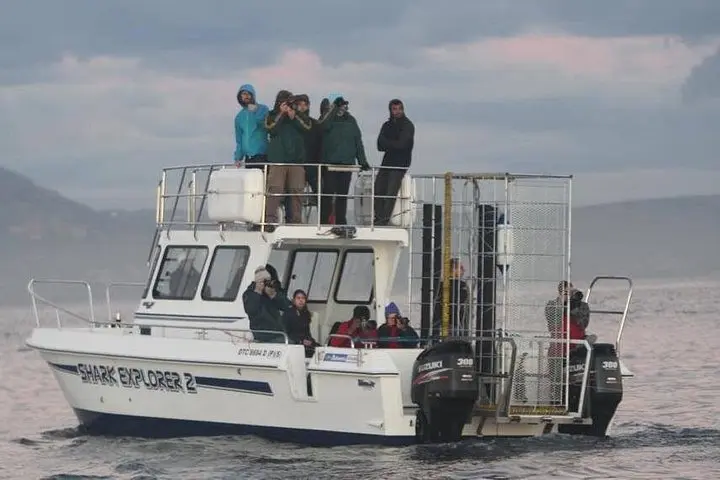
Board from Kleinbaai and head into Shark Alley where Dyer Island’s seal colonies draw Great Whites. Whether in the cage or watching from the boat, these three-hour trips offer close, regulated encounters with one of the ocean’s apex predators.
Board from Kleinbaai and head into Shark Alley where Dyer Island’s seal colonies draw Great Whites. Whether in the cage or watching from the boat, these three-hour trips offer close, regulated encounters with one of the ocean’s apex predators.
The morning fog lifts off Kleinbaai Harbour and the Atlantic breathes cold into your face as the boat slips through channels toward Shark Alley.
Verified experiences and guided adventures in the surrounding area.
Operated by Shark Zone · Gansbaai, Western Cape
The morning fog lifts off Kleinbaai Harbour and the Atlantic breathes cold into your face as the boat slips through channels toward Shark Alley.
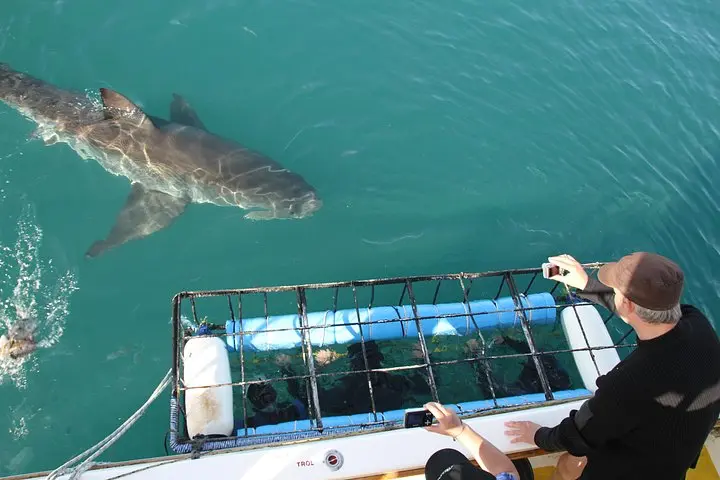
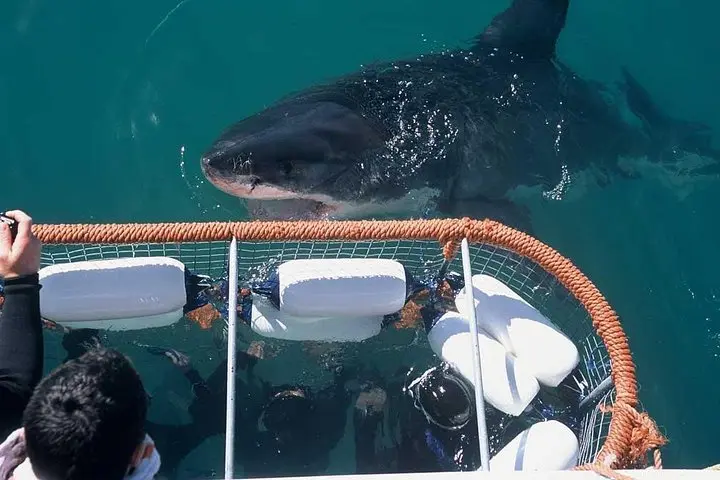
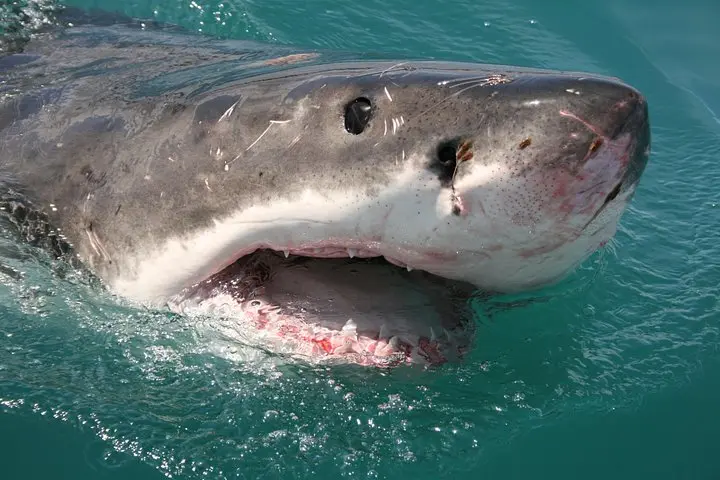
Dyer Island and Geyser Rock bracket the channel; beneath them a dense population of Cape fur seals draws Great White sharks into predictable hunting lanes. The experience oscillates between clinical procedure—safety briefings, wetsuit fit, ladder practice—and sudden animal presence when a dorsal fin cuts the churned water. For non-divers, the boat’s rail often provides the clearest, least obstructed sightline.
This coastline bears geological evidence of ancient marine terraces and wave-cut platforms, while local history mixes small fisheries, seal colonies, and conservation research that helped make Gansbaai a global hotspot for Great Whites. Operators here balance tourism with ongoing tagging and study programs; chumming is controlled to minimize long-term behavioral effects.
Practically: trips run about three hours from Kleinbaai Harbour. Meeting times shift with tides and weather—expect a confirmation the evening before. Operators supply wetsuits and masks; participants should prepare for cold water, salty spray, and rocking decks. Motion-sickness is common—plan meds and a light breakfast.
Plan to arrive early, wear layered clothing, bring a waterproof camera with a secure strap, and keep a respectful distance when viewing from the boat. The cage offers an intimate, bone-deep look at a top predator, but the most memorable moments are the ones that leave you steady and informed about the animal you’ve just seen.
Operators follow strict safety protocols—briefings, supervised entry/exit, and regulated chumming—reducing risk, though sea conditions and wildlife encounters carry inherent hazards.
Yes; many operators allow passengers to remain on deck for viewing, which can be the clearest perspective for photography and for those who prefer not to enter the water.
Great Whites are present year-round, but sightings often peak in cooler months when seal conditions bring sharks closer to shore; operators run trips year-round, weather permitting.
Policies vary; younger children can join but must meet safety criteria and stay seated on the boat—confirm age limits and requirements with the operator beforehand.
Shark Zone operates guided outdoor trips and adventures with an emphasis on safety, stewardship, and memorable experiences.
The morning fog lifts off Kleinbaai Harbour and the Atlantic breathes cold into your face as the boat slips through channels toward Shark Alley.
The morning fog lifts off Kleinbaai Harbour and the Atlantic breathes cold into your face as the boat slips through channels toward Shark Alley.
Dyer Island and Geyser Rock bracket the channel; beneath them a dense population of Cape fur seals draws Great White sharks into predictable hunting lanes. The experience oscillates between clinical procedure—safety briefings, wetsuit fit, ladder practice—and sudden animal presence when a dorsal fin cuts the churned water. For non-divers, the boat’s rail often provides the clearest, least obstructed sightline.
This coastline bears geological evidence of ancient marine terraces and wave-cut platforms, while local history mixes small fisheries, seal colonies, and conservation research that helped make Gansbaai a global hotspot for Great Whites. Operators here balance tourism with ongoing tagging and study programs; chumming is controlled to minimize long-term behavioral effects.
Practically: trips run about three hours from Kleinbaai Harbour. Meeting times shift with tides and weather—expect a confirmation the evening before. Operators supply wetsuits and masks; participants should prepare for cold water, salty spray, and rocking decks. Motion-sickness is common—plan meds and a light breakfast.
Plan to arrive early, wear layered clothing, bring a waterproof camera with a secure strap, and keep a respectful distance when viewing from the boat. The cage offers an intimate, bone-deep look at a top predator, but the most memorable moments are the ones that leave you steady and informed about the animal you’ve just seen.