THE ADVENTURE COLLECTIVE® · Independent discovery and booking for outdoor travel

Board a short-run boat from the Western Cape coast and lower into a steel cage beside one of the ocean’s top predators. This 6–8 hour experience near Gansbaai balances close-up drama with strict safety and conservation practices.
Board a short-run boat from the Western Cape coast and lower into a steel cage beside one of the ocean’s top predators. This 6–8 hour experience near Gansbaai balances close-up drama with strict safety and conservation practices.
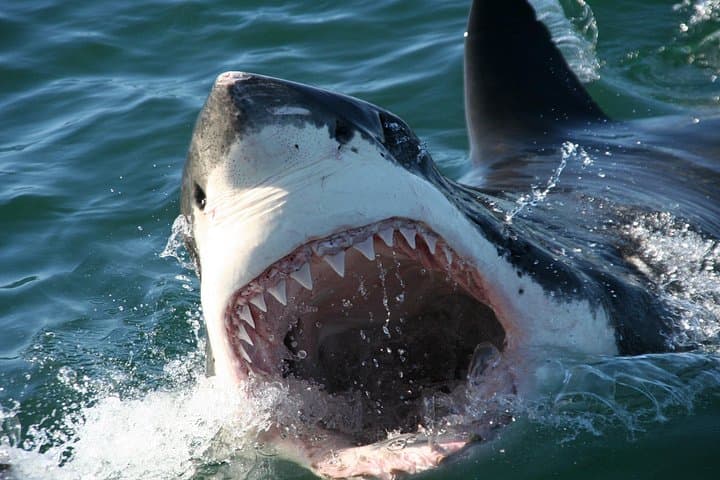
A low, salt-thick wind pushes across the harbor as the boat slips away from the quay and the coastline slides into a series of serrated bluffs. Out here, the Atlantic has its own rhythm: churning, curious, and insistent. The water around Dyer Island draws one of the ocean’s most formidable predators close to shore, and the cage becomes the narrow, controlled margin between human curiosity and raw marine force.
Verified experiences and guided adventures in the surrounding area.
Operated by Glorious Cape Tours · Gansbaai, Western Cape
A low, salt-thick wind pushes across the harbor as the boat slips away from the quay and the coastline slides into a series of serrated bluffs. Out here, the Atlantic has its own rhythm: churning, curious, and insistent. The water around Dyer Island draws one of the ocean’s most formidable predators close to shore, and the cage becomes the narrow, controlled margin between human curiosity and raw marine force.
Shark cage diving around Gansbaai has roots in local fishing history and scientific tagging programs that made the area famous for predictable sightings of great white sharks. The geology here—granite reefs, kelp beds and offshore islands—creates feeding corridors for seals and, in turn, predators. The small fishing towns on the coast still wear that working heritage; captains know the currents, the seabed contours and the seasonal pulse of sea life.
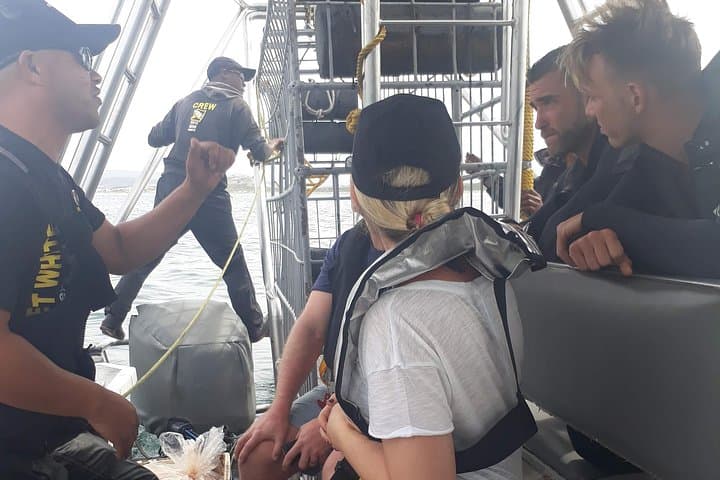
Practically speaking: tours run 6–8 hours including drive time from Cape Town or nearby towns. Expect boarding, a safety briefing, short boat runs and multiple cage dips depending on conditions. Operators emphasize marine protection: no baiting inside protected zones and regulated interactions.
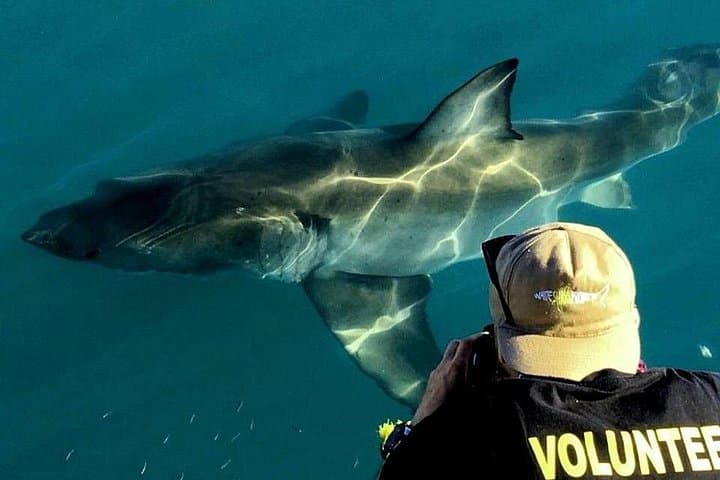
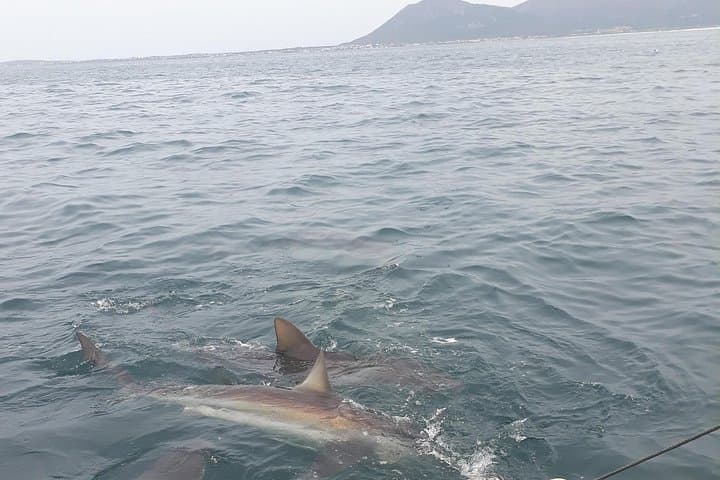
Prepare for cold wind and spray, bring a waterproof outer layer, motion-sickness remedies, and a camera with a wrist strap. Hearing the captain call out the approach—then seeing the dark flank of a great white appear—rearranges perspective without ceremony. It’s an ocean encounter that insists on respect and leaves little room for complacency.
Operators follow strict safety protocols, provide briefings and lifejackets, and use purpose-built cages; risks exist with any sea activity but are minimized by experienced crews.
Great whites are sighted year-round around Dyer Island and Gansbaai, though visibility and comfort vary seasonally; many operators run trips year-round.
No—participants wear lifejackets and remain in the cage or on deck; basic swimming ability is recommended but not required.
Reputable operators follow regulated chumming practices that minimize behavioral impact and are often part of scientific monitoring programs.
Glorious Cape Tours operates guided outdoor trips and adventures with an emphasis on safety, stewardship, and memorable experiences.
A low, salt-thick wind pushes across the harbor as the boat slips away from the quay and the coastline slides into a series of serrated bluffs. Out here, the Atlantic has its own rhythm: churning, curious, and insistent. The water around Dyer Island draws one of the ocean’s most formidable predators close to shore, and the cage becomes the narrow, controlled margin between human curiosity and raw marine force.
A low, salt-thick wind pushes across the harbor as the boat slips away from the quay and the coastline slides into a series of serrated bluffs. Out here, the Atlantic has its own rhythm: churning, curious, and insistent. The water around Dyer Island draws one of the ocean’s most formidable predators close to shore, and the cage becomes the narrow, controlled margin between human curiosity and raw marine force.
Shark cage diving around Gansbaai has roots in local fishing history and scientific tagging programs that made the area famous for predictable sightings of great white sharks. The geology here—granite reefs, kelp beds and offshore islands—creates feeding corridors for seals and, in turn, predators. The small fishing towns on the coast still wear that working heritage; captains know the currents, the seabed contours and the seasonal pulse of sea life.
Practically speaking: tours run 6–8 hours including drive time from Cape Town or nearby towns. Expect boarding, a safety briefing, short boat runs and multiple cage dips depending on conditions. Operators emphasize marine protection: no baiting inside protected zones and regulated interactions.
Prepare for cold wind and spray, bring a waterproof outer layer, motion-sickness remedies, and a camera with a wrist strap. Hearing the captain call out the approach—then seeing the dark flank of a great white appear—rearranges perspective without ceremony. It’s an ocean encounter that insists on respect and leaves little room for complacency.