THE ADVENTURE COLLECTIVE® · Independent discovery and booking for outdoor travel

Take a guided dive inside SEA LIFE Melbourne’s two-million-liter Oceanarium and come face-to-fin with reef sharks, guitarfish and giant rays. This intimate, small-group experience includes on-site training and a strict medical screening to ensure safety for both divers and animals.
Take a guided dive inside SEA LIFE Melbourne’s two-million-liter Oceanarium and come face-to-fin with reef sharks, guitarfish and giant rays. This intimate, small-group experience includes on-site training and a strict medical screening to ensure safety for both divers and animals.
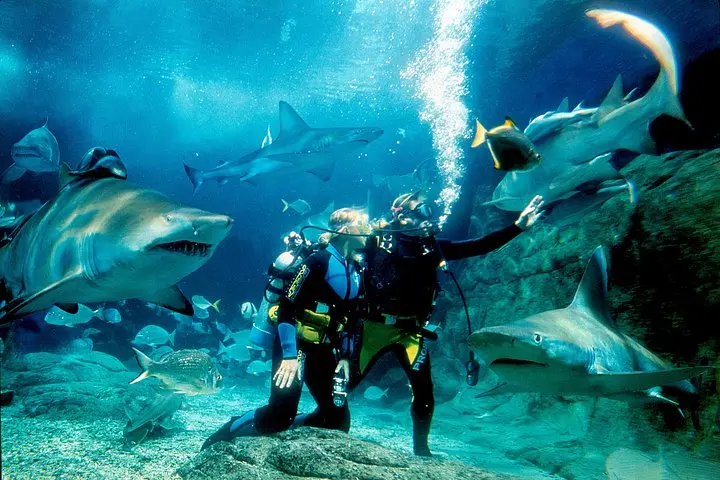
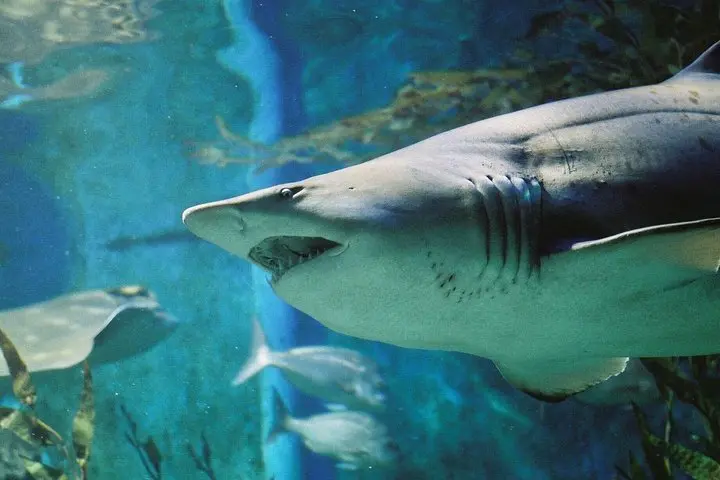
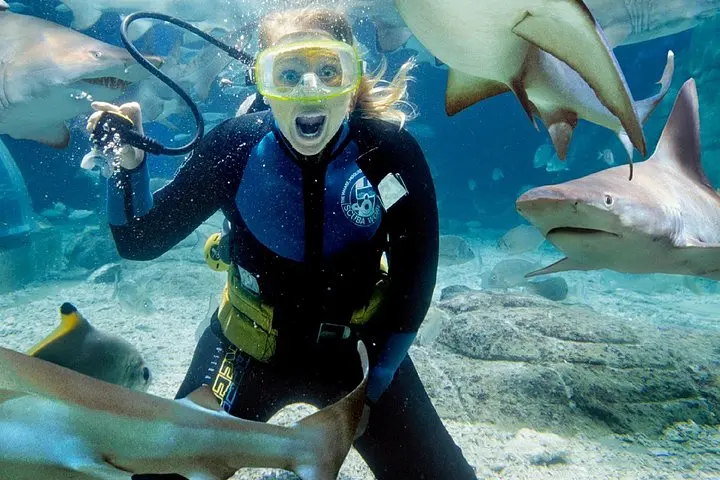
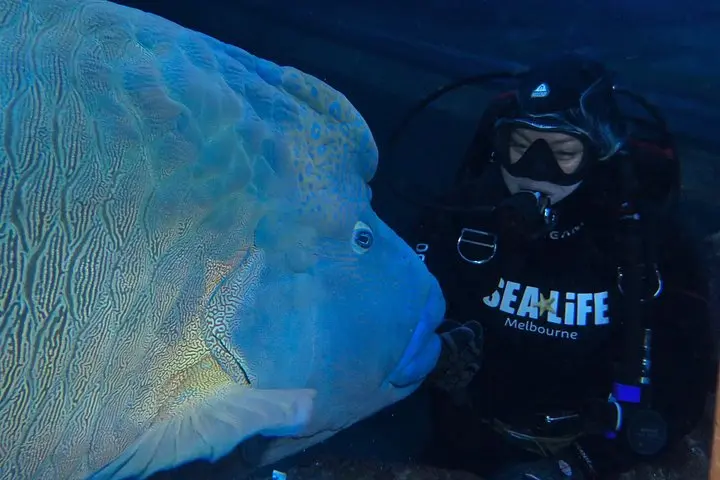
Standing at the gallery glass, the oceanarium’s surface looks calm, but below it a current of motion carries sharks and rays like slow, deliberate metronomes. Participants slip into training in a compact briefing room, then into wetsuits and masks that replace nervousness with focus. In the tank, blacktip reef sharks cut clean arcs, guitarfish graze the sand, and a largetooth sawfish glides with the patient authority of an older creature. The experience feels intimate rather than theatrical: four divers, one guide, and a living exhibit that demands respect.
Verified experiences and guided adventures in the surrounding area.
Operated by SEA LIFE Melbourne Aquarium · Melbourne, Victoria
Standing at the gallery glass, the oceanarium’s surface looks calm, but below it a current of motion carries sharks and rays like slow, deliberate metronomes. Participants slip into training in a compact briefing room, then into wetsuits and masks that replace nervousness with focus. In the tank, blacktip reef sharks cut clean arcs, guitarfish graze the sand, and a largetooth sawfish glides with the patient authority of an older creature. The experience feels intimate rather than theatrical: four divers, one guide, and a living exhibit that demands respect.
SEA LIFE Melbourne opened in the late 1990s and doubled down on public education about Australia’s temperate and tropical coastal ecosystems. Geologically, the tank replicates coastal shelf habitats where sandy flats meet rock outcrops — environments shaped by sea-level changes since the last ice age. Culturally, the aquarium is part of Melbourne’s river-front visitor loop and sits within a city that prizes hands-on natural history experiences.
Practical guidance is direct: expect a 90-minute appointment that includes an hour-long mandatory briefing and roughly 20–30 minutes in the water. Bring a completed medical declaration and be prepared to lift and carry about 35 kg when suiting up. No prior scuba certification is required; basic training is provided on site, but divers must be fit and free of contraindicated medical conditions. Observers can watch from the viewing area and take photos of divers in the tank. To minimize animal stress, personal underwater cameras are not allowed and divers must follow the guide’s positioning and contact rules.
Timing dives during quieter weekday afternoons reduces crowds. Hydrate, avoid alcohol, and plan not to fly within 12 hours after diving.
No—basic SCUBA training is provided during the mandatory briefing and no prior certification is required for this controlled aquarium dive.
Minimum age is 14; divers under 18 must have parental consent and attend the briefing with a guardian.
Personal underwater cameras are not permitted to protect the animals and ensure diver safety; official photos may be available for purchase.
Do not fly within 12 hours after the dive to reduce the risk of decompression-related issues, per dive safety guidelines.
SEA LIFE Melbourne Aquarium operates guided outdoor trips and adventures with an emphasis on safety, stewardship, and memorable experiences.
Standing at the gallery glass, the oceanarium’s surface looks calm, but below it a current of motion carries sharks and rays like slow, deliberate metronomes. Participants slip into training in a compact briefing room, then into wetsuits and masks that replace nervousness with focus. In the tank, blacktip reef sharks cut clean arcs, guitarfish graze the sand, and a largetooth sawfish glides with the patient authority of an older creature. The experience feels intimate rather than theatrical: four divers, one guide, and a living exhibit that demands respect.
Standing at the gallery glass, the oceanarium’s surface looks calm, but below it a current of motion carries sharks and rays like slow, deliberate metronomes. Participants slip into training in a compact briefing room, then into wetsuits and masks that replace nervousness with focus. In the tank, blacktip reef sharks cut clean arcs, guitarfish graze the sand, and a largetooth sawfish glides with the patient authority of an older creature. The experience feels intimate rather than theatrical: four divers, one guide, and a living exhibit that demands respect.
SEA LIFE Melbourne opened in the late 1990s and doubled down on public education about Australia’s temperate and tropical coastal ecosystems. Geologically, the tank replicates coastal shelf habitats where sandy flats meet rock outcrops — environments shaped by sea-level changes since the last ice age. Culturally, the aquarium is part of Melbourne’s river-front visitor loop and sits within a city that prizes hands-on natural history experiences.
Practical guidance is direct: expect a 90-minute appointment that includes an hour-long mandatory briefing and roughly 20–30 minutes in the water. Bring a completed medical declaration and be prepared to lift and carry about 35 kg when suiting up. No prior scuba certification is required; basic training is provided on site, but divers must be fit and free of contraindicated medical conditions. Observers can watch from the viewing area and take photos of divers in the tank. To minimize animal stress, personal underwater cameras are not allowed and divers must follow the guide’s positioning and contact rules.
Timing dives during quieter weekday afternoons reduces crowds. Hydrate, avoid alcohol, and plan not to fly within 12 hours after diving.