THE ADVENTURE COLLECTIVE® · Independent discovery and booking for outdoor travel

Board a small-boat excursion from Shem Creek and hunt for fossilized shark teeth on a hidden barrier island. This two-hour, family-friendly tour combines hands-on searching with coastal history and dolphin sightings.
Board a small-boat excursion from Shem Creek and hunt for fossilized shark teeth on a hidden barrier island. This two-hour, family-friendly tour combines hands-on searching with coastal history and dolphin sightings.
The boat slips away from the creek, gulls skittering like punctuation against the low, blue horizon, and the cable-stayed span of the Ravenel Bridge recedes into a lattice of steel.
Verified experiences and guided adventures in the surrounding area.
Operated by LowCountry Coastal Excursions · Mount Pleasant, South Carolina
The boat slips away from the creek, gulls skittering like punctuation against the low, blue horizon, and the cable-stayed span of the Ravenel Bridge recedes into a lattice of steel.
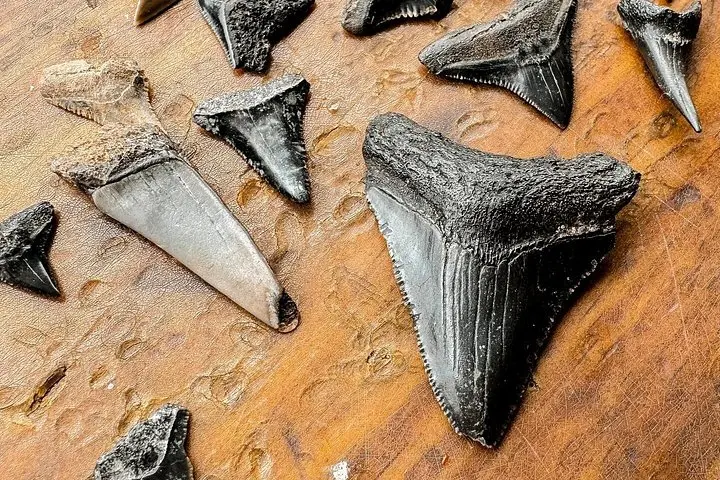
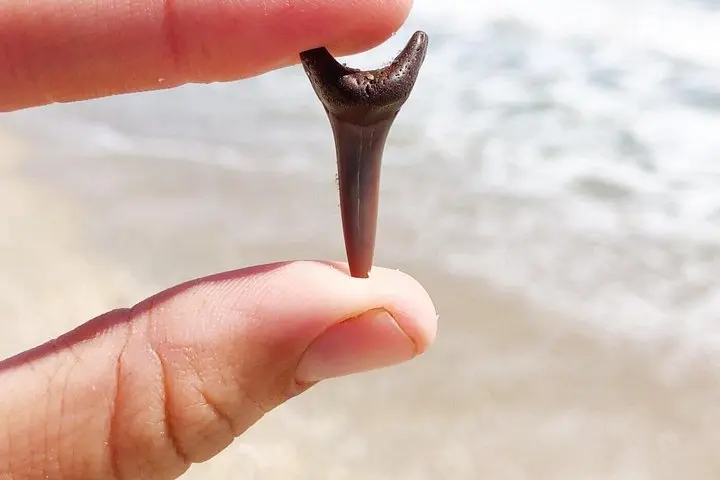
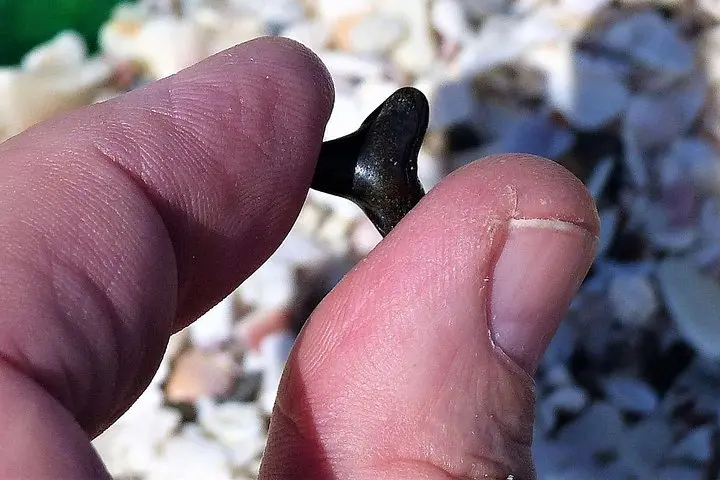
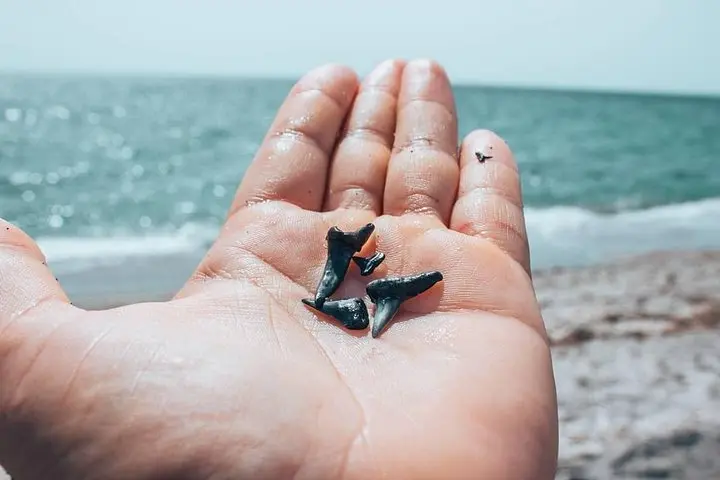
On this two-hour romp from Shem Creek, the guides steer through tidal ribbons toward a barrier island where surf, current and centuries of shifting estuarine sands reveal fossilized shark teeth and pocket-sized treasures. The Lowcountry’s geology is simple and generous here: Pleistocene shell beds sit just offshore, and tidal currents act like patient excavators, peeling teeth from older layers and casting them onto the beach.
History rubs shoulders with natural history along the route. Boats pass Fort Sumter and the USS Yorktown; the same coastal corridors that once hosted naval defense now host bottlenose dolphins and shrimp boats. Guides typically weave ecology and local Charleston lore—Gullah traditions, shrimping culture—into the hunt, giving context to each find.
Expect hands-on searching in soft, damp sand, occasional wading, and plenty of close-up wildlife viewing. The experience is family-friendly and low-impact: all hunting gear is provided, and guests keep their finds. Practical prep makes it better—sun protection, stable shoes, and a small dry bag for phones.
This tour is as much about the motion of the water as the objects it reveals; currents push, gulls judge, and dolphins often leap as if to point the way. For anyone wanting an accessible, educational taste of Charleston’s coastline—fossils, birds, and a salt-bright breeze—this is a compact, well-paced outing.
No—guides provide brief instruction, all tools, and point out productive spots; the tour is designed for beginners and families.
Yes. Guests are allowed to keep any authentic fossils and shells they find; guided collectors will note any protected items you should leave alone.
Yes—infants must sit on an adult’s lap. The pace is family-friendly, but parents should be prepared for sun exposure and brief walking on uneven sand.
Tours operate rain or shine; check conditions beforehand. The operator’s policy is all-sales-final, so they typically don’t refund for weather-related cancellations.
LowCountry Coastal Excursions operates guided outdoor trips and adventures with an emphasis on safety, stewardship, and memorable experiences.
The boat slips away from the creek, gulls skittering like punctuation against the low, blue horizon, and the cable-stayed span of the Ravenel Bridge recedes into a lattice of steel.
The boat slips away from the creek, gulls skittering like punctuation against the low, blue horizon, and the cable-stayed span of the Ravenel Bridge recedes into a lattice of steel.
On this two-hour romp from Shem Creek, the guides steer through tidal ribbons toward a barrier island where surf, current and centuries of shifting estuarine sands reveal fossilized shark teeth and pocket-sized treasures. The Lowcountry’s geology is simple and generous here: Pleistocene shell beds sit just offshore, and tidal currents act like patient excavators, peeling teeth from older layers and casting them onto the beach.
History rubs shoulders with natural history along the route. Boats pass Fort Sumter and the USS Yorktown; the same coastal corridors that once hosted naval defense now host bottlenose dolphins and shrimp boats. Guides typically weave ecology and local Charleston lore—Gullah traditions, shrimping culture—into the hunt, giving context to each find.
Expect hands-on searching in soft, damp sand, occasional wading, and plenty of close-up wildlife viewing. The experience is family-friendly and low-impact: all hunting gear is provided, and guests keep their finds. Practical prep makes it better—sun protection, stable shoes, and a small dry bag for phones.
This tour is as much about the motion of the water as the objects it reveals; currents push, gulls judge, and dolphins often leap as if to point the way. For anyone wanting an accessible, educational taste of Charleston’s coastline—fossils, birds, and a salt-bright breeze—this is a compact, well-paced outing.