THE ADVENTURE COLLECTIVE® · Independent discovery and booking for outdoor travel

Depart Sharm el Sheikh before dawn for a full‑day, 17–20 hour coach journey to Cairo. See the Egyptian Museum, the three Great Pyramids of Giza, the Sphinx, a papyrus workshop and an optional short Nile boat ride.
Depart Sharm el Sheikh before dawn for a full‑day, 17–20 hour coach journey to Cairo. See the Egyptian Museum, the three Great Pyramids of Giza, the Sphinx, a papyrus workshop and an optional short Nile boat ride.
Before dawn the coach pulls out of Sharm el Sheikh, headlights cutting a ribbon across Sinai’s desert. By midmorning Cairo’s skyline—minarets, modern towers and the distant limestone shoulders of the Giza Plateau—appears on the horizon, and the day immediately becomes a lesson in scale: the Great Pyramid dwarfs the crowds, the Sphinx stares forward like an unreadable chronicle.
Verified experiences and guided adventures in the surrounding area.
Operated by New Whale Tours · Cairo, Cairo Governorate
Before dawn the coach pulls out of Sharm el Sheikh, headlights cutting a ribbon across Sinai’s desert. By midmorning Cairo’s skyline—minarets, modern towers and the distant limestone shoulders of the Giza Plateau—appears on the horizon, and the day immediately becomes a lesson in scale: the Great Pyramid dwarfs the crowds, the Sphinx stares forward like an unreadable chronicle.
The tour stitches together eras. The Egyptian Museum houses pharaonic treasures and funerary art that trace statecraft and ritual across three millennia; the Giza Plateau sits on a raised Tura limestone bench formed by ancient seabeds, its quarried blocks now framing human ambition. Along the Nile you’ll glimpse the river that fed Egypt’s agriculture and cities for millennia, and at a papyrus workshop craftsmen demonstrate a craft that turned marsh reed into the first archival paper.
Cairo’s culture is active and present: vendors at the pyramid edge, the cadence of Arabic in market lanes, and the practiced patience of guides steering logistics for a long day. Geology and history converge in the compact route—museums, monuments, then a short Nile walk or optional boat ride.
Practicalities matter: this is a long 17–20 hour day with 6–7 hours each way by bus. Expect uneven ground at Giza, security checkpoints at major sites, and tight schedules at the museum. Pack water, sunscreen, a hat and sturdy shoes; bring original passports for entry and allow time for bargaining if shopping for papyrus. The trip delivers headline monuments in a single, exhausting, unforgettable sweep—best for travelers who want a concentrated immersion in Ancient Egypt without overnight logistics.
The transfer is approximately 6–7 hours each way, depending on traffic and border checkpoints, making the full excursion about 17–20 hours.
Entrance fees to the listed sites are included per the itinerary, though optional extras like the Nile boat ride (about €10) may cost extra.
The itinerary is physically easy but long; children and seniors can join if they can tolerate long bus travel and some walking on uneven ground.
Yes—workshops and vendors sell papyrus, perfumes and crafts; authentic items vary in price and bargaining is normal.
New Whale Tours operates guided outdoor trips and adventures with an emphasis on safety, stewardship, and memorable experiences.
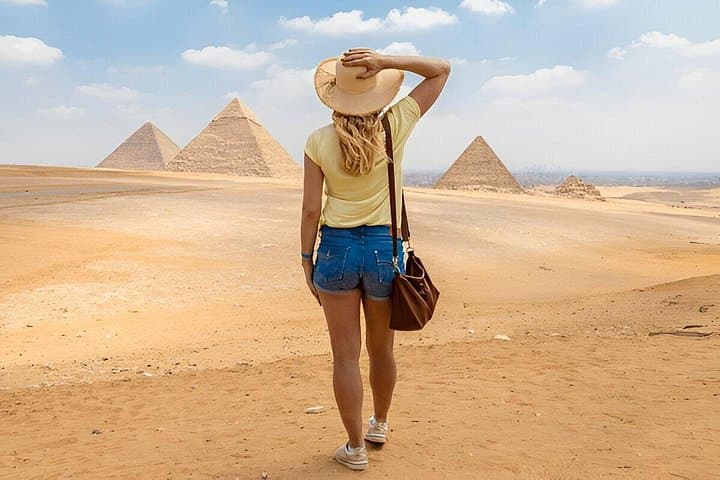
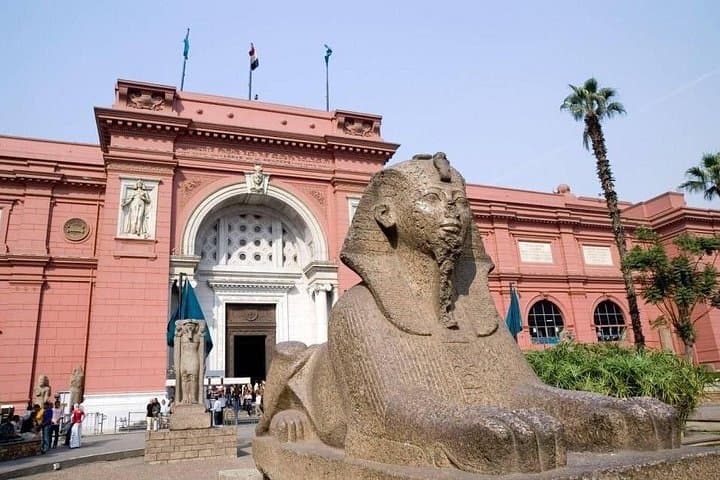
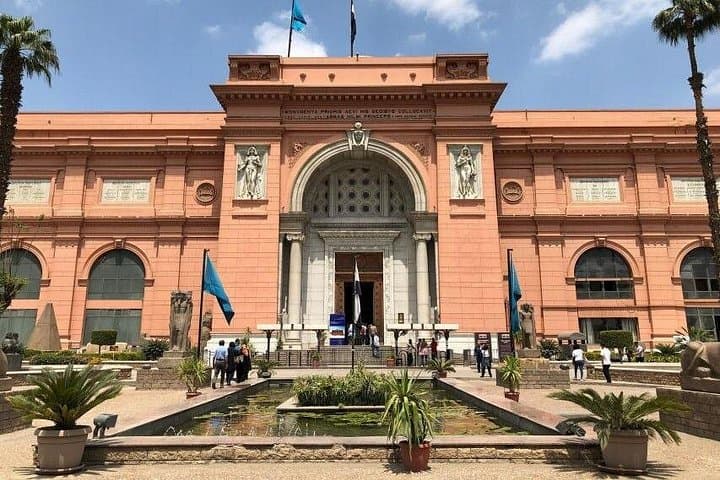

Before dawn the coach pulls out of Sharm el Sheikh, headlights cutting a ribbon across Sinai’s desert. By midmorning Cairo’s skyline—minarets, modern towers and the distant limestone shoulders of the Giza Plateau—appears on the horizon, and the day immediately becomes a lesson in scale: the Great Pyramid dwarfs the crowds, the Sphinx stares forward like an unreadable chronicle.
Before dawn the coach pulls out of Sharm el Sheikh, headlights cutting a ribbon across Sinai’s desert. By midmorning Cairo’s skyline—minarets, modern towers and the distant limestone shoulders of the Giza Plateau—appears on the horizon, and the day immediately becomes a lesson in scale: the Great Pyramid dwarfs the crowds, the Sphinx stares forward like an unreadable chronicle.
The tour stitches together eras. The Egyptian Museum houses pharaonic treasures and funerary art that trace statecraft and ritual across three millennia; the Giza Plateau sits on a raised Tura limestone bench formed by ancient seabeds, its quarried blocks now framing human ambition. Along the Nile you’ll glimpse the river that fed Egypt’s agriculture and cities for millennia, and at a papyrus workshop craftsmen demonstrate a craft that turned marsh reed into the first archival paper.
Cairo’s culture is active and present: vendors at the pyramid edge, the cadence of Arabic in market lanes, and the practiced patience of guides steering logistics for a long day. Geology and history converge in the compact route—museums, monuments, then a short Nile walk or optional boat ride.
Practicalities matter: this is a long 17–20 hour day with 6–7 hours each way by bus. Expect uneven ground at Giza, security checkpoints at major sites, and tight schedules at the museum. Pack water, sunscreen, a hat and sturdy shoes; bring original passports for entry and allow time for bargaining if shopping for papyrus. The trip delivers headline monuments in a single, exhausting, unforgettable sweep—best for travelers who want a concentrated immersion in Ancient Egypt without overnight logistics.