THE ADVENTURE COLLECTIVE® · Independent discovery and booking for outdoor travel

Drive into the Sharqiyah (Wahiba) Sands for an 8‑hour desert safari that pairs dune runs with visits to wadis, Bida village and Muqal cave—ideal for travelers seeking geology, Bedouin culture and dramatic light.
Drive into the Sharqiyah (Wahiba) Sands for an 8‑hour desert safari that pairs dune runs with visits to wadis, Bida village and Muqal cave—ideal for travelers seeking geology, Bedouin culture and dramatic light.
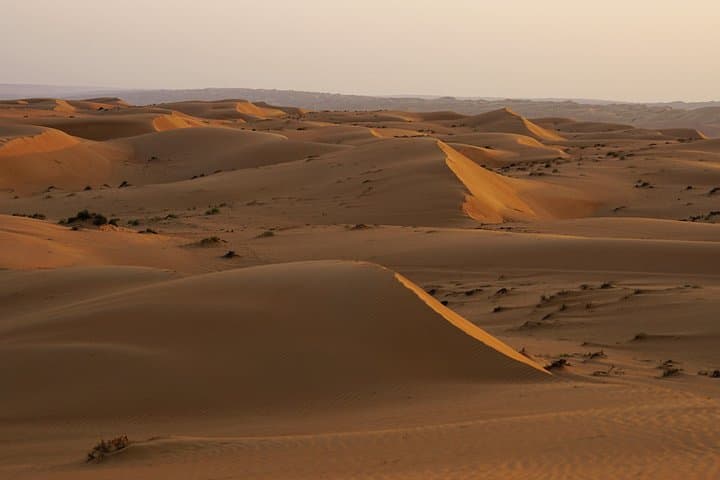
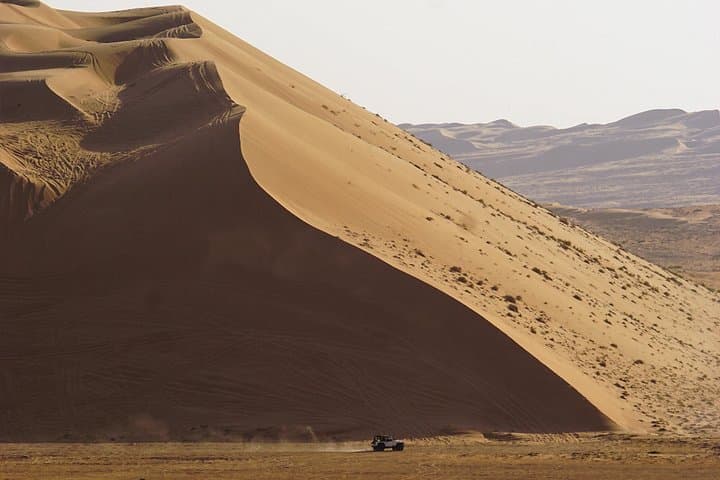
The first step off the vehicle places you on wind-sculpted sand that seems to move underfoot—dunes tilt and flame from rust to copper as the sun arcs. In the Sharqiyah (Wahiba) Sands, the desert doesn't sit still; it nudges you forward with ridges that test balance and small bowls of silence that invite pause.
Verified experiences and guided adventures in the surrounding area.
Operated by Old Muscat Tourism · Muscat, Muscat Governorate
The first step off the vehicle places you on wind-sculpted sand that seems to move underfoot—dunes tilt and flame from rust to copper as the sun arcs. In the Sharqiyah (Wahiba) Sands, the desert doesn't sit still; it nudges you forward with ridges that test balance and small bowls of silence that invite pause.
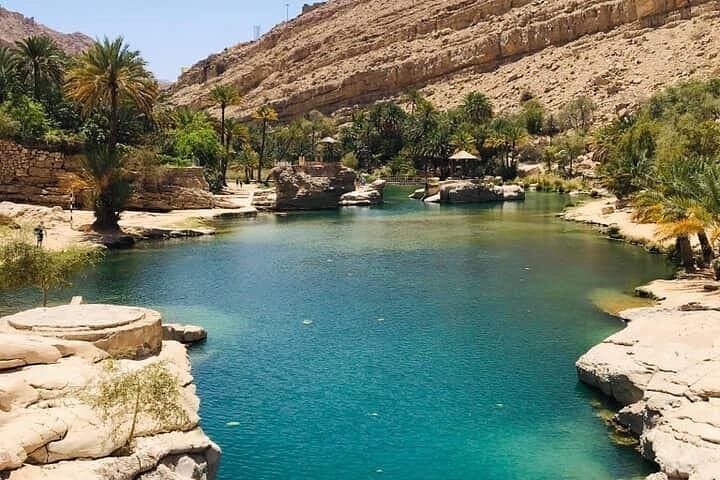
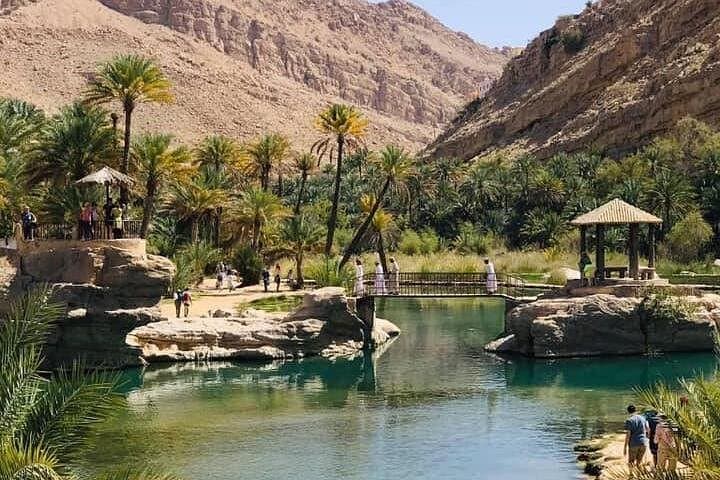
Geologically, these dunes are younger coastal deposits blown inland, a sea of sand bounded by the eastern Al Hajar foothills. Historically the sands were homeland to Bedouin clans whose camel tracks and dates farms still thread the edges of this landscape. Drive routes cross broad interdunal corridors, then climb into sweeping crescent dunes; nearby wadis cut into the Hajar to reveal water-carved terraces and small waterfalls around Bida village and Muqal cave.
Culturally the region mixes nomadic heritage with farming pockets—expect polite trade for photos, simple tea in a shaded encampment, and stories of seasonal migrations. Wildlife is subtle: lizards dart, and desert foxes sometimes observe from a distance.
Practical guidance: travel with an experienced guide and a 4x4; dune driving requires skill and respect for soft sand. Bring at least 2–3 liters of water, sun protection, and closed shoes for shifting surfaces. Time your visit for morning or late afternoon to avoid peak heat and to see the dunes glow at golden hour. Respect private Bedouin camps and follow the guide on any walking near wadis or caves—rock steps can be slippery after rare rains. The result is a compact day of geological drama, cultural insight, and the kind of quiet that only a desert can hand over slowly.
This private safari is about 8 hours and typically includes pickup from Muscat, dune drives in the Sharqiyah Sands, visits to Bida village and Muqal area, bottled water, and an English-speaking guide/driver.
The tour is family-friendly but involves soft-sand walking and vehicle transfers; not recommended for people with serious back, heart, or pregnancy-related restrictions without medical advice.
Dune driving requires local knowledge and a 4x4—most operators handle driving for safety; self-driving in the dunes is discouraged unless experienced and well-equipped.
Early morning or late afternoon is best for cooler temperatures and dramatic light for photography; midday can be extremely hot, especially in summer.
Old Muscat Tourism operates guided outdoor trips and adventures with an emphasis on safety, stewardship, and memorable experiences.
The first step off the vehicle places you on wind-sculpted sand that seems to move underfoot—dunes tilt and flame from rust to copper as the sun arcs. In the Sharqiyah (Wahiba) Sands, the desert doesn't sit still; it nudges you forward with ridges that test balance and small bowls of silence that invite pause.
The first step off the vehicle places you on wind-sculpted sand that seems to move underfoot—dunes tilt and flame from rust to copper as the sun arcs. In the Sharqiyah (Wahiba) Sands, the desert doesn't sit still; it nudges you forward with ridges that test balance and small bowls of silence that invite pause.
Geologically, these dunes are younger coastal deposits blown inland, a sea of sand bounded by the eastern Al Hajar foothills. Historically the sands were homeland to Bedouin clans whose camel tracks and dates farms still thread the edges of this landscape. Drive routes cross broad interdunal corridors, then climb into sweeping crescent dunes; nearby wadis cut into the Hajar to reveal water-carved terraces and small waterfalls around Bida village and Muqal cave.
Culturally the region mixes nomadic heritage with farming pockets—expect polite trade for photos, simple tea in a shaded encampment, and stories of seasonal migrations. Wildlife is subtle: lizards dart, and desert foxes sometimes observe from a distance.
Practical guidance: travel with an experienced guide and a 4x4; dune driving requires skill and respect for soft sand. Bring at least 2–3 liters of water, sun protection, and closed shoes for shifting surfaces. Time your visit for morning or late afternoon to avoid peak heat and to see the dunes glow at golden hour. Respect private Bedouin camps and follow the guide on any walking near wadis or caves—rock steps can be slippery after rare rains. The result is a compact day of geological drama, cultural insight, and the kind of quiet that only a desert can hand over slowly.