THE ADVENTURE COLLECTIVE® · Independent discovery and booking for outdoor travel

Explore Mandawa’s open-air art gallery across two easy days from Delhi—havelis, frescoes and trade-route history framed by Rajasthani light. This practical guide explains what to expect, how to prepare, and where to go.
Explore Mandawa’s open-air art gallery across two easy days from Delhi—havelis, frescoes and trade-route history framed by Rajasthani light. This practical guide explains what to expect, how to prepare, and where to go.
You arrive before dawn on the highway that leads into Shekhawati, the dust-thin light revealing carved stone lintels and ochre facades that have watched caravans pass for centuries. Mandawa’s lanes open like pages of a portrait gallery—faded frescoes crowding courtyards, painted gods and business scenes peering from balcony windows. The town moves at the pace of its architecture: deliberate and ornate.
Verified experiences and guided adventures in the surrounding area.
Operated by Agora Voyages Pvt. Ltd. · Mandawa, Rajasthan
You arrive before dawn on the highway that leads into Shekhawati, the dust-thin light revealing carved stone lintels and ochre facades that have watched caravans pass for centuries. Mandawa’s lanes open like pages of a portrait gallery—faded frescoes crowding courtyards, painted gods and business scenes peering from balcony windows. The town moves at the pace of its architecture: deliberate and ornate.
Shekhawati developed as a prosperous merchant belt along inland trade routes between the Punjab and Gujarat. The havelis—merchant houses—display an unusual mix of Rajput form, colonial-era motifs and painted narratives that record myth, local victories and scenes of everyday life. Geologically this is part of the arid semi-desert plain of Rajasthan; the climate shapes construction: thick walls, small courtyards and jaali screens that temper heat and glare.
Culturally, the frescoes are a living record: Krishna episodes sit next to brand-new steamship adverts painted during the late 19th century boom. Walking tours around Hanuman Prasad Goenka Haveli and Murmuria Haveli reveal craftsmanship—wooden jharokhas, fresco pigments and carved stone that withstands the dry wind.
Practical guidance: the tour is light on exertion but heavy on standing and photography—bring breathable shoes, sun protection and water. Many havelis require modest dress and a small entrance fee; guides are available and useful for interpreting iconography. Plan travel time: expect ~5 hours each way from Delhi by car. Early mornings and late afternoons offer the best light for fresco photography and cooler walking weather. Respect private properties and avoid flash on delicate paintings to preserve them for the next visitor.
Expect about 4.5–5.5 hours each way by private car depending on traffic; start early to maximize daylight in Mandawa.
Most itineraries include basic monument entrance charges for the listed havelis, but small private sites may require additional local fees.
Yes—Mandawa’s streets accommodate strollers in many areas, though some cobbled lanes and steps may be awkward.
October through March offers cooler, pleasant weather and clearer skies—avoid the peak summer months for more comfortable walking.
Agora Voyages Pvt. Ltd. operates guided outdoor trips and adventures with an emphasis on safety, stewardship, and memorable experiences.
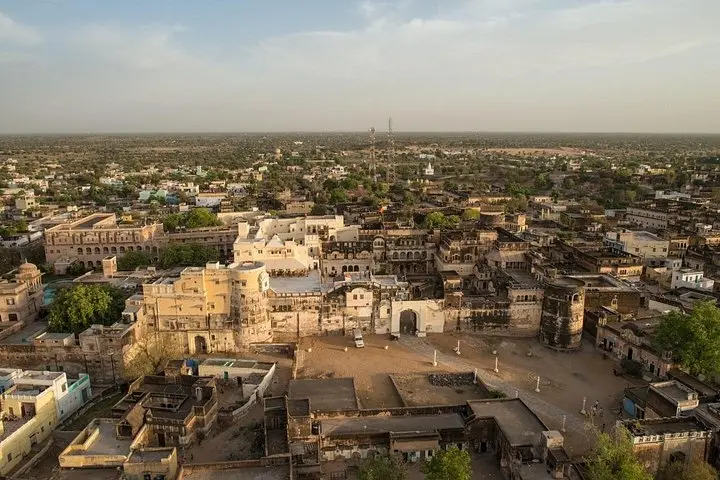
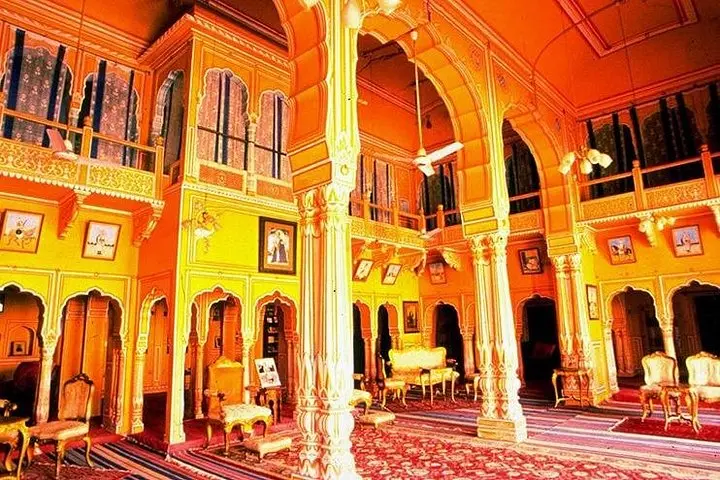
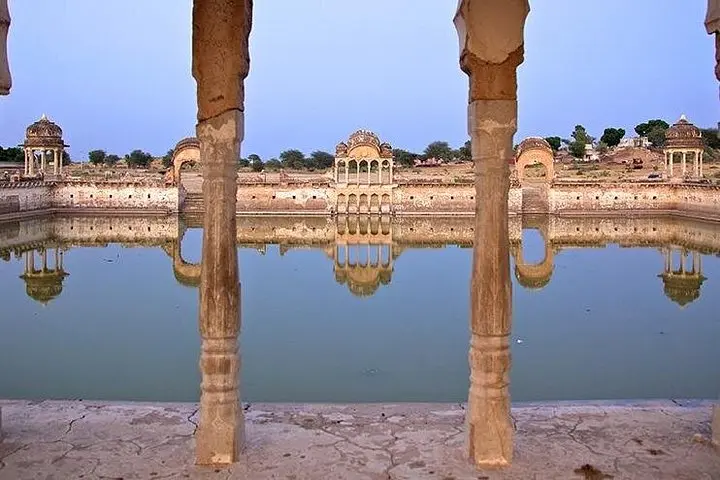
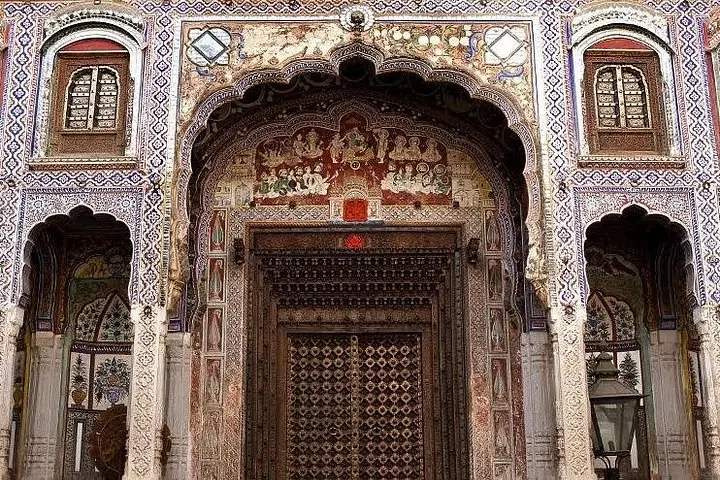
You arrive before dawn on the highway that leads into Shekhawati, the dust-thin light revealing carved stone lintels and ochre facades that have watched caravans pass for centuries. Mandawa’s lanes open like pages of a portrait gallery—faded frescoes crowding courtyards, painted gods and business scenes peering from balcony windows. The town moves at the pace of its architecture: deliberate and ornate.
You arrive before dawn on the highway that leads into Shekhawati, the dust-thin light revealing carved stone lintels and ochre facades that have watched caravans pass for centuries. Mandawa’s lanes open like pages of a portrait gallery—faded frescoes crowding courtyards, painted gods and business scenes peering from balcony windows. The town moves at the pace of its architecture: deliberate and ornate.
Shekhawati developed as a prosperous merchant belt along inland trade routes between the Punjab and Gujarat. The havelis—merchant houses—display an unusual mix of Rajput form, colonial-era motifs and painted narratives that record myth, local victories and scenes of everyday life. Geologically this is part of the arid semi-desert plain of Rajasthan; the climate shapes construction: thick walls, small courtyards and jaali screens that temper heat and glare.
Culturally, the frescoes are a living record: Krishna episodes sit next to brand-new steamship adverts painted during the late 19th century boom. Walking tours around Hanuman Prasad Goenka Haveli and Murmuria Haveli reveal craftsmanship—wooden jharokhas, fresco pigments and carved stone that withstands the dry wind.
Practical guidance: the tour is light on exertion but heavy on standing and photography—bring breathable shoes, sun protection and water. Many havelis require modest dress and a small entrance fee; guides are available and useful for interpreting iconography. Plan travel time: expect ~5 hours each way from Delhi by car. Early mornings and late afternoons offer the best light for fresco photography and cooler walking weather. Respect private properties and avoid flash on delicate paintings to preserve them for the next visitor.