THE ADVENTURE COLLECTIVE® · Independent discovery and booking for outdoor travel

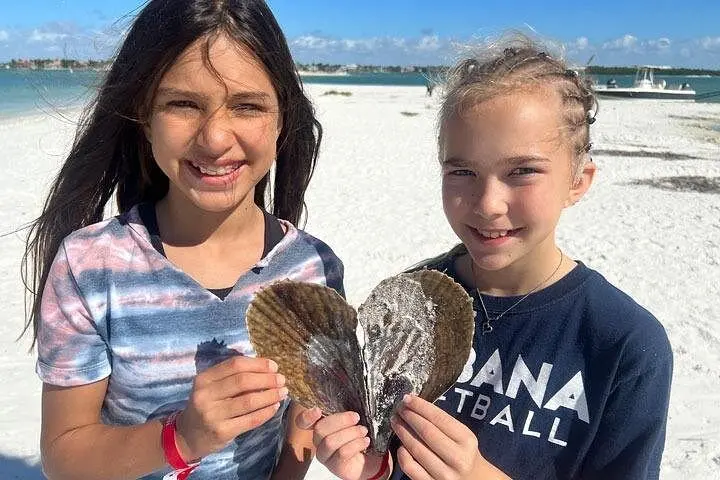
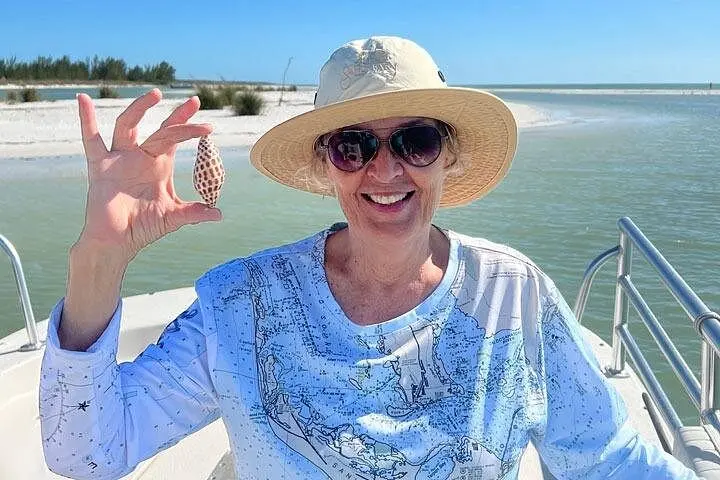
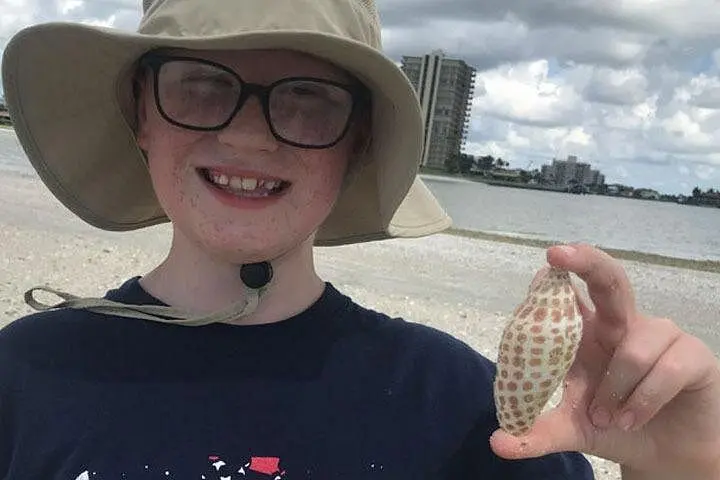
Step off the dock in Goodland and into the Ten Thousand Islands—a short boat ride to remote sandbars and mangrove-backed beaches where rare shells like Junonia and alphabet cones turn up after the right tide. This 2.5-hour guided trip blends easy walking with expert local knowledge, ideal for families and collectors who want to explore beyond the tourist beaches.
Step off the dock in Goodland and into the Ten Thousand Islands—a short boat ride to remote sandbars and mangrove-backed beaches where rare shells like Junonia and alphabet cones turn up after the right tide. This 2.5-hour guided trip blends easy walking with expert local knowledge, ideal for families and collectors who want to explore beyond the tourist beaches.
Morning light slices across the Gulf as the boat slips away from the little gravel lot on Goodland Drive.
Verified experiences and guided adventures in the surrounding area.
Operated by Florida Island Tours · Goodland, Florida
Morning light slices across the Gulf as the boat slips away from the little gravel lot on Goodland Drive.
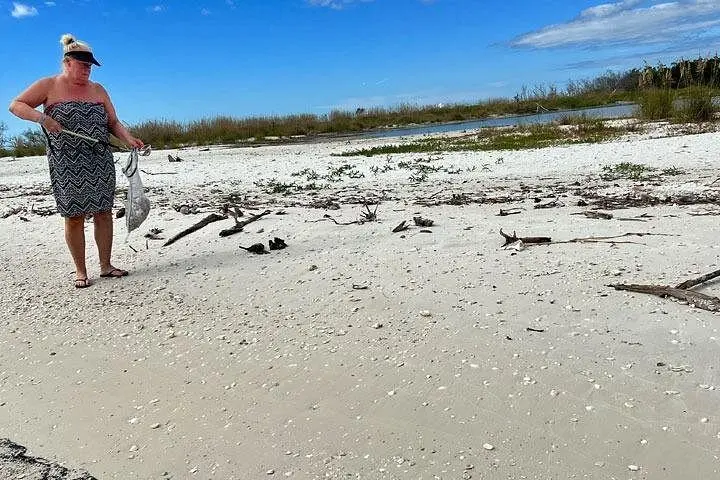
Within minutes the shore blurs into a rim of mangrove and the Ten Thousand Islands open up—shallow blue channels, sandy bars, and islands that seem to change shape with every tide. The captain eases into a protected pocket; guides drop anchor and the scramble ashore begins. Sand sifts through fingers; shells click underfoot. It’s the kind of place that makes you slow down, like the coastline itself is daring you to notice the small things.
This is southwest Florida at work—an estuarine landscape shaped by tides, storms, and time. The Ten Thousand Islands are the remnants of submerged river deltas, their sandbars and mangrove islets built by currents and the occasional hurricane. Indigenous Calusa people once navigated these same channels in dugout canoes, harvesting fish and shellfish and leaving shell middens that still surface in archaeological surveys.
Geology here is simple, honest: fine carbonate sand, shell hash, and the occasional exposed bedrock near Cape Romano where concrete domes squat like a half-remembered experiment. The tour circles key shelling spots—Kice Island, the Gulf-facing beaches, and quiet backwater inlets—places where alphabet cones, lightning whelks, sand dollars, and the rare Junonia wash up when conditions align.
The guides are practical naturalists: part boat captain, part shell sleuth. They read the tide and wind, know which side of a spit will drop a prize after a passing squall, and will point out coastal birds, dolphins, and the occasional manatee that surfaces with deliberate curiosity.
For travelers the experience is simple and exacting. Expect 2.5 hours of gentle motion, time ashore walking over mixed sand and shallow water, and a steady breeze that alternately cools and strips sunscreen.
Practical guidance: meet at the private docks across from Stan’s Idle Hour in Goodland; there’s free parking in the gravel lot. Wear water shoes or sturdy sandals, bring sun protection, a light long-sleeve layer for wind, and a dry bag for valuables. If you’re prone to seasickness, plan ahead—the Gulf here is usually calm in the morning but can chop by afternoon.
Respect matters—collect empty shells, leave living creatures and nested sand dollars, and follow your guide’s instructions about fragile dune and mangrove areas. Conservation-minded shelling is part of maintaining this place for the next person to find their own small wonder.
In short: it’s an easy, family-friendly foray into one of Florida’s most quietly wild coasts—an hour ashore among islands that still feel as if they have a secret or two to themselves.
The tour runs about 2.5 hours with approximately an hour ashore at shelling spots—departures are at 8:00, 10:45, 1:30, and 4:00 daily.
Meet at the private docks at 220 Goodland Dr across from Stan’s Idle Hour; free parking is available in the gravel lot behind the white fence.
Yes—children are welcome; kids 6 and under are required to wear life vests provided by the operator.
Morning trips are usually calmer; bring motion-sickness medication and sit mid-boat where motion is least pronounced.
Take only empty, uninhabited shells—leaving live animals and habitat intact is required and important for conservation.
Because the tour involves stepping onto a small boat and walking on uneven sand and shallow water, it is not fully wheelchair accessible—contact the operator to discuss accommodations.
Florida Island Tours operates guided outdoor trips and adventures with an emphasis on safety, stewardship, and memorable experiences.
Morning light slices across the Gulf as the boat slips away from the little gravel lot on Goodland Drive.
Morning light slices across the Gulf as the boat slips away from the little gravel lot on Goodland Drive.
Within minutes the shore blurs into a rim of mangrove and the Ten Thousand Islands open up—shallow blue channels, sandy bars, and islands that seem to change shape with every tide. The captain eases into a protected pocket; guides drop anchor and the scramble ashore begins. Sand sifts through fingers; shells click underfoot. It’s the kind of place that makes you slow down, like the coastline itself is daring you to notice the small things.
This is southwest Florida at work—an estuarine landscape shaped by tides, storms, and time. The Ten Thousand Islands are the remnants of submerged river deltas, their sandbars and mangrove islets built by currents and the occasional hurricane. Indigenous Calusa people once navigated these same channels in dugout canoes, harvesting fish and shellfish and leaving shell middens that still surface in archaeological surveys.
Geology here is simple, honest: fine carbonate sand, shell hash, and the occasional exposed bedrock near Cape Romano where concrete domes squat like a half-remembered experiment. The tour circles key shelling spots—Kice Island, the Gulf-facing beaches, and quiet backwater inlets—places where alphabet cones, lightning whelks, sand dollars, and the rare Junonia wash up when conditions align.
The guides are practical naturalists: part boat captain, part shell sleuth. They read the tide and wind, know which side of a spit will drop a prize after a passing squall, and will point out coastal birds, dolphins, and the occasional manatee that surfaces with deliberate curiosity.
For travelers the experience is simple and exacting. Expect 2.5 hours of gentle motion, time ashore walking over mixed sand and shallow water, and a steady breeze that alternately cools and strips sunscreen.
Practical guidance: meet at the private docks across from Stan’s Idle Hour in Goodland; there’s free parking in the gravel lot. Wear water shoes or sturdy sandals, bring sun protection, a light long-sleeve layer for wind, and a dry bag for valuables. If you’re prone to seasickness, plan ahead—the Gulf here is usually calm in the morning but can chop by afternoon.
Respect matters—collect empty shells, leave living creatures and nested sand dollars, and follow your guide’s instructions about fragile dune and mangrove areas. Conservation-minded shelling is part of maintaining this place for the next person to find their own small wonder.
In short: it’s an easy, family-friendly foray into one of Florida’s most quietly wild coasts—an hour ashore among islands that still feel as if they have a secret or two to themselves.