THE ADVENTURE COLLECTIVE® · Independent discovery and booking for outdoor travel

Turn Antwerp into a crime scene with the Sherlock Holmes City Game — a self-guided, app-based murder mystery that sends teams across historic squares, riverside quays, and the diamond district. Ideal for families and small groups, the two-hour game blends puzzles with the city’s rich history.
Turn Antwerp into a crime scene with the Sherlock Holmes City Game — a self-guided, app-based murder mystery that sends teams across historic squares, riverside quays, and the diamond district. Ideal for families and small groups, the two-hour game blends puzzles with the city’s rich history.
A brisk square opens up ahead, church spire cutting into pale sky; the city’s stones seem to be watching as a new case begins. Players tap the Loquiz app, the first clue blinks, and Antwerp shifts from a sightseeing route into a crime scene. The game routes you through narrow lanes, past the Gothic Cathedral of Our Lady, along the Scheldt where the river pushes against the quay, and into the diamond quarter where facades hold more secrets than shops.
Verified experiences and guided adventures in the surrounding area.
Operated by City Game · Antwerp, Antwerp
A brisk square opens up ahead, church spire cutting into pale sky; the city’s stones seem to be watching as a new case begins. Players tap the Loquiz app, the first clue blinks, and Antwerp shifts from a sightseeing route into a crime scene. The game routes you through narrow lanes, past the Gothic Cathedral of Our Lady, along the Scheldt where the river pushes against the quay, and into the diamond quarter where facades hold more secrets than shops.
Antwerp grew wealthy on trade in the 16th century and carries layers of history in its streets: Burgundian and Baroque architecture, the legacy of Rubens, and a port that shaped the city’s layout. Geology is subtle but present — the Scheldt’s tidal pull created the river islands and mudbanks that funneled commerce and settlement here. Cultural cues—Dutch (Flemish) street names, outdoor cafes, a directness in local humor—pepper the experience and provide context for the clues.
Practical guidance: the experience is self-guided, about two hours, and designed for small teams (1–4 people per device). Players should wear comfortable shoes for cobbles, carry a charged smartphone with mobile data, and allow padding for photo tasks and thinking time. Public transit and tram stops are frequent; start near the Grote Markt or Groenplaats for the most scenic route. Avoid peak tourist hours for quieter streets and clearer photos. The game is family-friendly and low-impact—respect private property, follow pedestrian rules, and enjoy solving the mystery while learning the city’s stories.
After booking you’ll receive instructions by email; download the Loquiz app, follow the start-point directions (often near Grote Markt), and begin at any time on your chosen date.
The ticket covers 1–4 people per device; larger groups should purchase additional tickets so teams can compete separately.
Yes—difficulty is easy and many families complete it together, though younger children may need help reading clues or completing photo tasks.
Full refund is available if you cancel at least 24 hours before the scheduled date; last-minute cancellations are not refundable.
City Game operates guided outdoor trips and adventures with an emphasis on safety, stewardship, and memorable experiences.
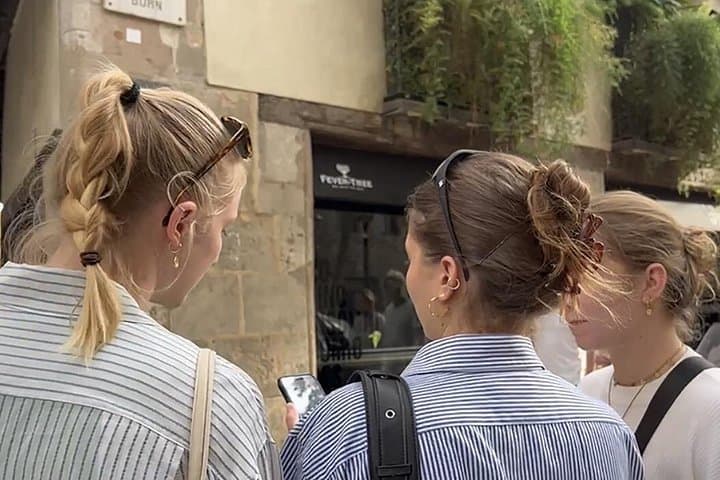
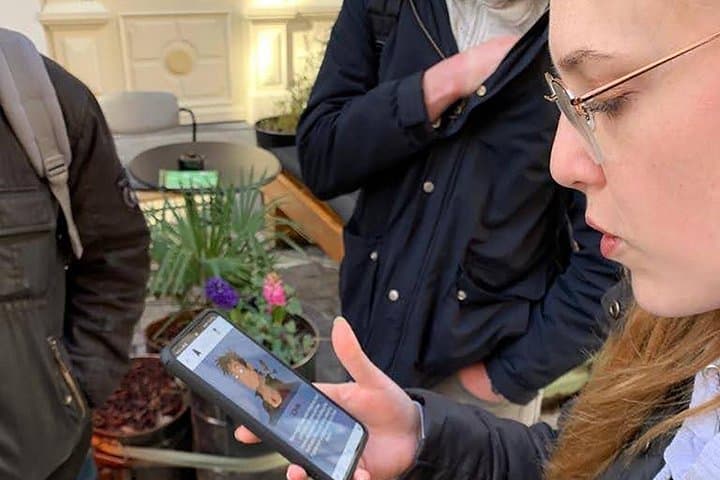
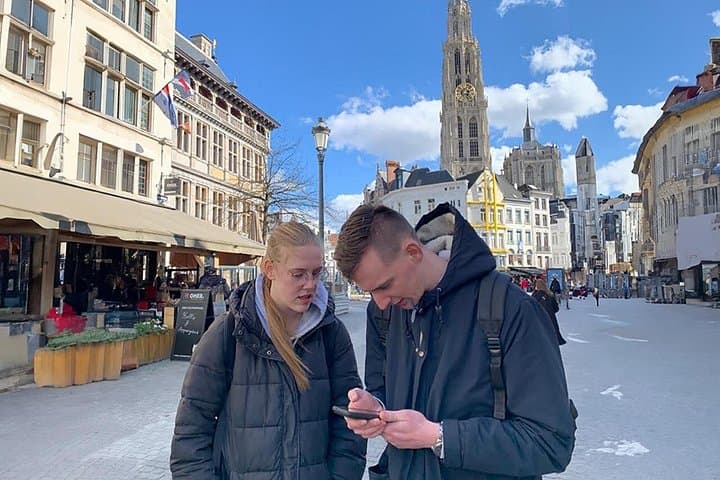
A brisk square opens up ahead, church spire cutting into pale sky; the city’s stones seem to be watching as a new case begins. Players tap the Loquiz app, the first clue blinks, and Antwerp shifts from a sightseeing route into a crime scene. The game routes you through narrow lanes, past the Gothic Cathedral of Our Lady, along the Scheldt where the river pushes against the quay, and into the diamond quarter where facades hold more secrets than shops.
A brisk square opens up ahead, church spire cutting into pale sky; the city’s stones seem to be watching as a new case begins. Players tap the Loquiz app, the first clue blinks, and Antwerp shifts from a sightseeing route into a crime scene. The game routes you through narrow lanes, past the Gothic Cathedral of Our Lady, along the Scheldt where the river pushes against the quay, and into the diamond quarter where facades hold more secrets than shops.
Antwerp grew wealthy on trade in the 16th century and carries layers of history in its streets: Burgundian and Baroque architecture, the legacy of Rubens, and a port that shaped the city’s layout. Geology is subtle but present — the Scheldt’s tidal pull created the river islands and mudbanks that funneled commerce and settlement here. Cultural cues—Dutch (Flemish) street names, outdoor cafes, a directness in local humor—pepper the experience and provide context for the clues.
Practical guidance: the experience is self-guided, about two hours, and designed for small teams (1–4 people per device). Players should wear comfortable shoes for cobbles, carry a charged smartphone with mobile data, and allow padding for photo tasks and thinking time. Public transit and tram stops are frequent; start near the Grote Markt or Groenplaats for the most scenic route. Avoid peak tourist hours for quieter streets and clearer photos. The game is family-friendly and low-impact—respect private property, follow pedestrian rules, and enjoy solving the mystery while learning the city’s stories.