THE ADVENTURE COLLECTIVE® · Independent discovery and booking for outdoor travel

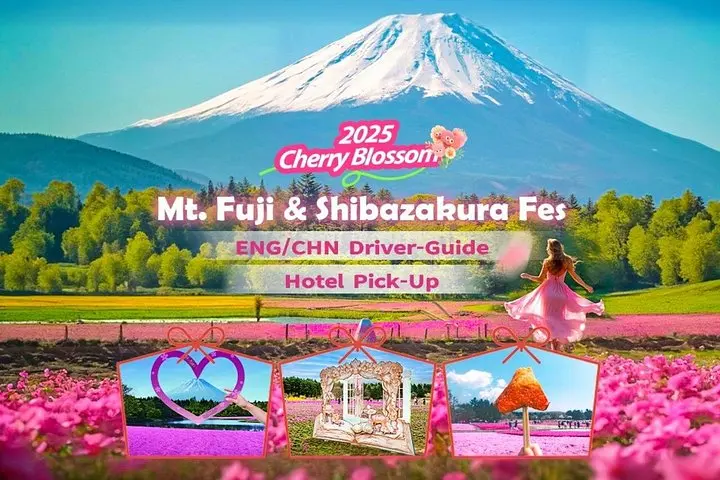
Zip out of Tokyo for a timed visit to Lake Motosu’s shibazakura fields with front‑row views of Mt. Fuji. This small-group day trip handles logistics and festival entry so you experience peak bloom hours without the crowds.
Zip out of Tokyo for a timed visit to Lake Motosu’s shibazakura fields with front‑row views of Mt. Fuji. This small-group day trip handles logistics and festival entry so you experience peak bloom hours without the crowds.
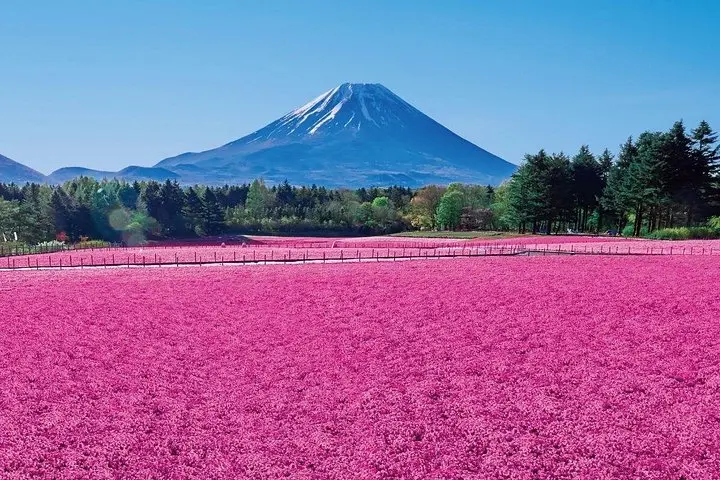
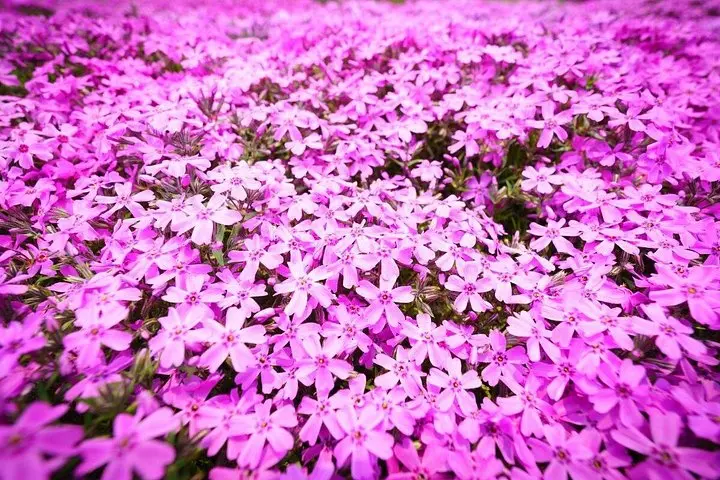
You meet the van at Tokyo Station before dawn, the city lights still dim as the highway pushes you west. By mid-morning the road opens to views of Mt. Fuji—its cone appearing and receding through low clouds—while a carpet of pink shibazakura (moss phlox) stretches toward the lake. The festival field feels deliberate: neat rows of tiny flowers forming waves of color that catch the sun between 10AM and noon.
Verified experiences and guided adventures in the surrounding area.
Operated by Hakuu · Fujikawaguchiko, Yamanashi
You meet the van at Tokyo Station before dawn, the city lights still dim as the highway pushes you west. By mid-morning the road opens to views of Mt. Fuji—its cone appearing and receding through low clouds—while a carpet of pink shibazakura (moss phlox) stretches toward the lake. The festival field feels deliberate: neat rows of tiny flowers forming waves of color that catch the sun between 10AM and noon.
Shibazakura arrived as a cultivated spring spectacle in the late 20th century, grown on volcanic soils drained from Fuji’s ancient eruptions. The area around Lake Motosu has long drawn seasonal pilgrims—first for cherry blossoms, then for engineered floral displays that frame Fuji’s profile. Local vendors lean into that mix of culture and confection: takoyaki and grilled sweets are common, and photographers stake claims on low angles to compress the flowers against the mountain.
Practically, this is an easy day trip with short walks on packed festival paths and viewing platforms. Expect wind off the lake, sudden sunlight that makes colors pop, and crowds between late April and mid-May. Your guide handles entry, routes, and timing so you hit peak bloom before the midday surge. Carry layered clothing, a lightweight tripod or monopod for low shots, and small change for festival food. Be ready to follow group timings—the van departs on schedule—and keep to marked paths to protect the flower beds. With planning, the visit delivers cinematic Fuji views without the logistical fuss of trains and transfers.
Meet at Tokyo Station Marunouchi North Exit; the tour returns to the same meeting point—arrive 10 minutes early as the van departs promptly.
Festival organizers provide accessible paths and the tour lists wheelchair‑accessible transport; contact the operator in advance for specific assistance.
Mt. Fuji visibility is weather-dependent; the itinerary times the visit for clearer mornings but no guarantee can be made—bring expectations of variable views.
Shibazakura Festival admission is included; food is not included but vendors are available at the site.
Hakuu operates guided outdoor trips and adventures with an emphasis on safety, stewardship, and memorable experiences.

You meet the van at Tokyo Station before dawn, the city lights still dim as the highway pushes you west. By mid-morning the road opens to views of Mt. Fuji—its cone appearing and receding through low clouds—while a carpet of pink shibazakura (moss phlox) stretches toward the lake. The festival field feels deliberate: neat rows of tiny flowers forming waves of color that catch the sun between 10AM and noon.
You meet the van at Tokyo Station before dawn, the city lights still dim as the highway pushes you west. By mid-morning the road opens to views of Mt. Fuji—its cone appearing and receding through low clouds—while a carpet of pink shibazakura (moss phlox) stretches toward the lake. The festival field feels deliberate: neat rows of tiny flowers forming waves of color that catch the sun between 10AM and noon.
Shibazakura arrived as a cultivated spring spectacle in the late 20th century, grown on volcanic soils drained from Fuji’s ancient eruptions. The area around Lake Motosu has long drawn seasonal pilgrims—first for cherry blossoms, then for engineered floral displays that frame Fuji’s profile. Local vendors lean into that mix of culture and confection: takoyaki and grilled sweets are common, and photographers stake claims on low angles to compress the flowers against the mountain.
Practically, this is an easy day trip with short walks on packed festival paths and viewing platforms. Expect wind off the lake, sudden sunlight that makes colors pop, and crowds between late April and mid-May. Your guide handles entry, routes, and timing so you hit peak bloom before the midday surge. Carry layered clothing, a lightweight tripod or monopod for low shots, and small change for festival food. Be ready to follow group timings—the van departs on schedule—and keep to marked paths to protect the flower beds. With planning, the visit delivers cinematic Fuji views without the logistical fuss of trains and transfers.