THE ADVENTURE COLLECTIVE® · Independent discovery and booking for outdoor travel

Navigate the iconic Shibuya scramble and the colorful lanes of Harajuku with a local guide who unlocks fashion alleys, shrine hushes, and hidden cafés. This three-hour walking tour balances bustling street scenes with cultural context and practical tips for first-time visitors.
Navigate the iconic Shibuya scramble and the colorful lanes of Harajuku with a local guide who unlocks fashion alleys, shrine hushes, and hidden cafés. This three-hour walking tour balances bustling street scenes with cultural context and practical tips for first-time visitors.
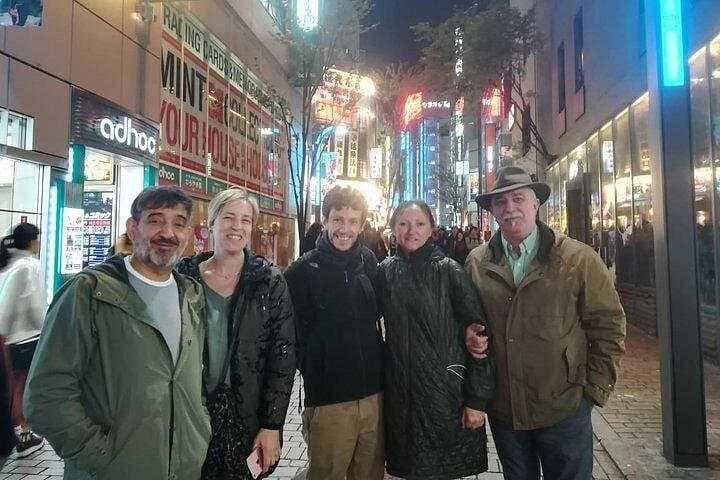
You step off the train into a pulse: crosswalks fan out like veins, neon signs flicker, and the crowd moves with rehearsed chaos. The walk begins at Shibuya’s scramble, where kiosks, the Hachiko statue and Center Gai funnel you through a compact choreography of shops and street food stalls.
Verified experiences and guided adventures in the surrounding area.
Operated by Guydeez · Tokyo, Tokyo
You step off the train into a pulse: crosswalks fan out like veins, neon signs flicker, and the crowd moves with rehearsed chaos. The walk begins at Shibuya’s scramble, where kiosks, the Hachiko statue and Center Gai funnel you through a compact choreography of shops and street food stalls.
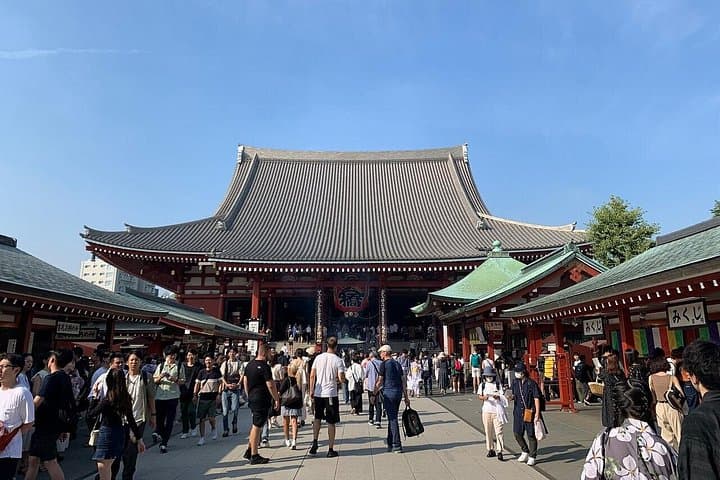
From there the guide steers toward Harajuku, where Takeshita Street’s bold colors and Ura-Hara’s tucked-away boutiques show Tokyo’s youth culture in real time. Meiji Shrine interrupts the urban flow with a deep stand of camphor and ginkgo trees—its gravel paths and torii gates offering a quiet cultural counterpoint to the commercial avenues.
Historically, Omotesando grew into an avenue of modern architecture after the shrine’s construction in the early 20th century; Harajuku later became a post-war hotspot for subcultures and fashion evolution. Geologically the area sits on low, reclaimed terraces of the Kanto plain, so expect flat, paved walking with broad boulevards and narrow alleyways.
Practical guidance: the full route covers roughly 2–3 km of walking with frequent stops; total time is about three hours with photo and shopping breaks. Terrain is flat but crowded—comfortable walking shoes and a charged phone are essential. Visit early morning or weekday to avoid weekend peaks; carry small bills or a reloadable IC card (Suica/Pasmo) as some vendors prefer cash. Respect shrine etiquette at Meiji: bow at the torii, keep voices low, and avoid drone or intrusive photography.
This tour blends fast urban energy with pockets of calm, ideal for travelers who want an efficient, sensory introduction to two of Tokyo’s most iconic neighborhoods.
The guided route totals roughly 2–3 km with frequent stops; plan for about three hours including commentary and photo breaks.
Most streets and shrine paths on this route are paved and accessible, but check with the operator about specific mobility needs and any station transfers.
This tour commonly offers English- and multi-language guides; confirm language at booking to ensure availability.
Dress modestly and comfortably—avoid loud costumes at the shrine, and remove hats briefly during formal gestures if you’re participating in rituals.
Guydeez operates guided outdoor trips and adventures with an emphasis on safety, stewardship, and memorable experiences.


You step off the train into a pulse: crosswalks fan out like veins, neon signs flicker, and the crowd moves with rehearsed chaos. The walk begins at Shibuya’s scramble, where kiosks, the Hachiko statue and Center Gai funnel you through a compact choreography of shops and street food stalls.
You step off the train into a pulse: crosswalks fan out like veins, neon signs flicker, and the crowd moves with rehearsed chaos. The walk begins at Shibuya’s scramble, where kiosks, the Hachiko statue and Center Gai funnel you through a compact choreography of shops and street food stalls.
From there the guide steers toward Harajuku, where Takeshita Street’s bold colors and Ura-Hara’s tucked-away boutiques show Tokyo’s youth culture in real time. Meiji Shrine interrupts the urban flow with a deep stand of camphor and ginkgo trees—its gravel paths and torii gates offering a quiet cultural counterpoint to the commercial avenues.
Historically, Omotesando grew into an avenue of modern architecture after the shrine’s construction in the early 20th century; Harajuku later became a post-war hotspot for subcultures and fashion evolution. Geologically the area sits on low, reclaimed terraces of the Kanto plain, so expect flat, paved walking with broad boulevards and narrow alleyways.
Practical guidance: the full route covers roughly 2–3 km of walking with frequent stops; total time is about three hours with photo and shopping breaks. Terrain is flat but crowded—comfortable walking shoes and a charged phone are essential. Visit early morning or weekday to avoid weekend peaks; carry small bills or a reloadable IC card (Suica/Pasmo) as some vendors prefer cash. Respect shrine etiquette at Meiji: bow at the torii, keep voices low, and avoid drone or intrusive photography.
This tour blends fast urban energy with pockets of calm, ideal for travelers who want an efficient, sensory introduction to two of Tokyo’s most iconic neighborhoods.