THE ADVENTURE COLLECTIVE® · Independent discovery and booking for outdoor travel

Taste Tokyo’s ramen culture across three full bowls with an English-speaking local guide in bustling Shibuya. Learn broth styles, ordering etiquette, and where to find the city’s lesser-known ramen gems.
Taste Tokyo’s ramen culture across three full bowls with an English-speaking local guide in bustling Shibuya. Learn broth styles, ordering etiquette, and where to find the city’s lesser-known ramen gems.
You step out of Shibuya Station into a pulse of bright screens and the Scramble Crossing’s organized rush — steam from a nearby shop threads through the neon and pulls you toward your first bowl.
Verified experiences and guided adventures in the surrounding area.
Operated by YURAGI · Shibuya, Tokyo
You step out of Shibuya Station into a pulse of bright screens and the Scramble Crossing’s organized rush — steam from a nearby shop threads through the neon and pulls you toward your first bowl.
Shibuya sits on the Kanto Plain where the city’s layered history — from Edo-era trade routes to postwar rebuilding — shaped its dense streets and food culture. Ramen itself migrated across Japan in the 20th century, absorbing regional techniques: pork-bone tonkotsu from Kyushu, clear shoyu from Tokyo, and dense miso from Hokkaido. The tour takes these stories and pairs them with three full-size bowls chosen for contrast and craft.
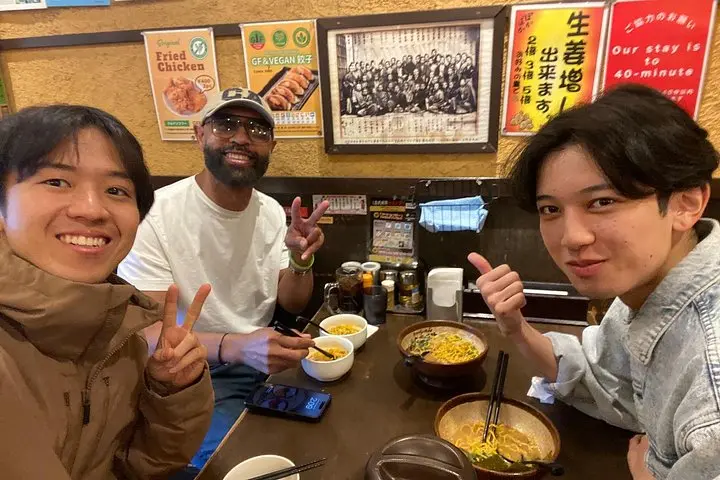
Expect narrow counters, quick service, and recipes honed by family operators; the guide explains broth bases, noodle texture, and local ordering etiquette so you taste intentional differences rather than noise. Practical notes: pockets of Shibuya are pedestrian-first but still busy — bring patience and readiness to stand at counters.
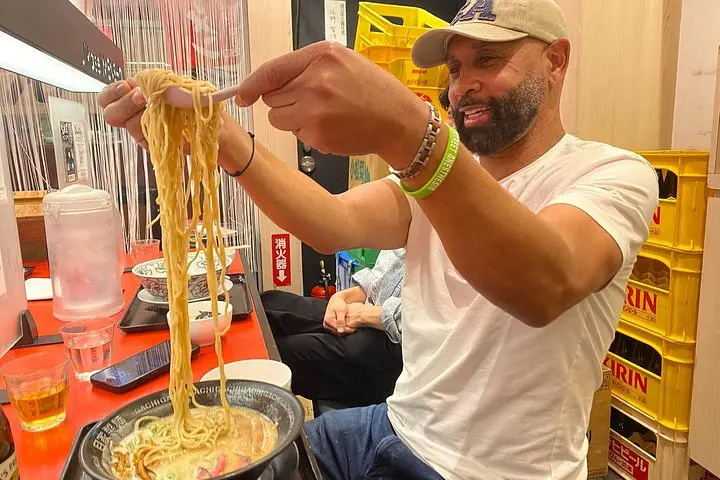
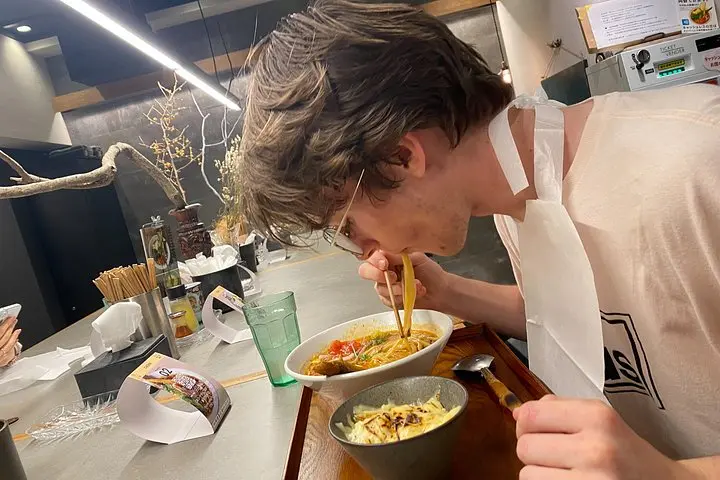
The tasting format teaches how to order and slurp politely, how to read kanji on ramen menus, and when to use cash. It also points to quieter alleys for post-meal photos and a late-night sake pairing if you want to extend the evening.
For planners: tours run about three hours, include three full bowls and an English-speaking guide, and are best booked for early evening to avoid lunch crowds. Come hungry, carry small change, and leave room for one more shop—Shibuya’s streets are an open invitation to taste deeper.
Most ramen shops use pork, chicken, and fish in broths; notify the operator in advance and your guide can suggest alternatives, but vegan/halal options are limited in Shibuya.
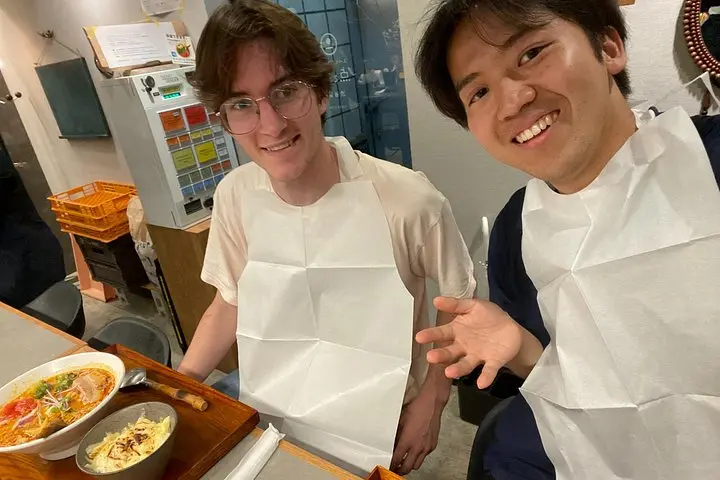
The experience includes three full-size ramen bowls selected to demonstrate different styles — skip other heavy meals that day and expect to be full.
Public transit and many streets are accessible, but individual ramen shops often have narrow entrances and counter seating; notify the operator when booking for specific access info.
Tipping is not customary in Japan; simply thanking staff and paying the bill is appropriate.
YURAGI operates guided outdoor trips and adventures with an emphasis on safety, stewardship, and memorable experiences.
You step out of Shibuya Station into a pulse of bright screens and the Scramble Crossing’s organized rush — steam from a nearby shop threads through the neon and pulls you toward your first bowl.
You step out of Shibuya Station into a pulse of bright screens and the Scramble Crossing’s organized rush — steam from a nearby shop threads through the neon and pulls you toward your first bowl.
Shibuya sits on the Kanto Plain where the city’s layered history — from Edo-era trade routes to postwar rebuilding — shaped its dense streets and food culture. Ramen itself migrated across Japan in the 20th century, absorbing regional techniques: pork-bone tonkotsu from Kyushu, clear shoyu from Tokyo, and dense miso from Hokkaido. The tour takes these stories and pairs them with three full-size bowls chosen for contrast and craft.
Expect narrow counters, quick service, and recipes honed by family operators; the guide explains broth bases, noodle texture, and local ordering etiquette so you taste intentional differences rather than noise. Practical notes: pockets of Shibuya are pedestrian-first but still busy — bring patience and readiness to stand at counters.
The tasting format teaches how to order and slurp politely, how to read kanji on ramen menus, and when to use cash. It also points to quieter alleys for post-meal photos and a late-night sake pairing if you want to extend the evening.
For planners: tours run about three hours, include three full bowls and an English-speaking guide, and are best booked for early evening to avoid lunch crowds. Come hungry, carry small change, and leave room for one more shop—Shibuya’s streets are an open invitation to taste deeper.