THE ADVENTURE COLLECTIVE® · Independent discovery and booking for outdoor travel

Walk Shibuya’s alleys with a local guide and taste three half-sized bowls that showcase Tokyo ramen — from rich tonkotsu to light shoyu. Learn history, etiquette, and how to pick your favorite bowl in 2–3 hours.
Walk Shibuya’s alleys with a local guide and taste three half-sized bowls that showcase Tokyo ramen — from rich tonkotsu to light shoyu. Learn history, etiquette, and how to pick your favorite bowl in 2–3 hours.
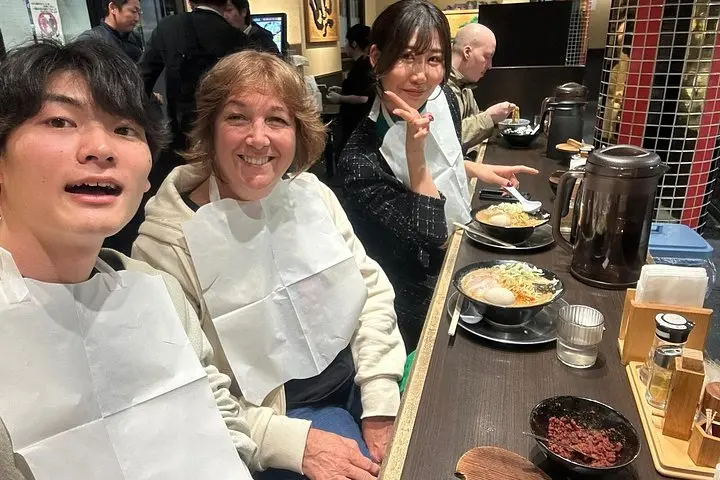
You step off the Shibuya Scramble into a tangle of neon, narrow alleys and the thin steam that rises from a dozen tiny kitchens. The guide leads the group past storefronts whose noren curtains flap like small flags, and the smell of simmering broth pulls everyone inward for the first of three half-sized bowls.
Verified experiences and guided adventures in the surrounding area.
Operated by Fuji Tour · Shibuya, Tokyo
You step off the Shibuya Scramble into a tangle of neon, narrow alleys and the thin steam that rises from a dozen tiny kitchens. The guide leads the group past storefronts whose noren curtains flap like small flags, and the smell of simmering broth pulls everyone inward for the first of three half-sized bowls.
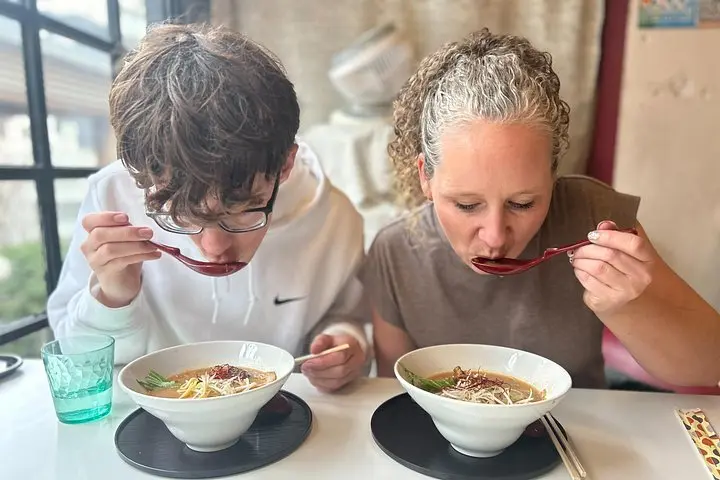
Ramen in Tokyo is postwar practicality turned culinary obsession — bowls evolved from Chinese noodle stands to regional craft. Shibuya’s streets sit on a low alluvial plain carved by streams that once fed nearby rice fields; today that geology only shows in the flat, walkable grid and the Meguro River just a short walk away. On this tour you’ll learn how tonkotsu, shoyu and lighter broths differ, how noodle thickness changes mouthfeel, and why slurping is part etiquette, part temperature control.
Expect local stories about family-run shops, quick service culture, and modern twists like health-forward broths. The walk covers short distances between shops — plan for 2–3 hours total with standing and brief queueing.
Practical tips: bring cash (many small ramen-ya don’t take cards), wear comfortable shoes for city walking, and keep a light jacket for evening wind tunnels between buildings. If you have allergies to pork, fish, or chicken, notify your guide in advance — most broths contain animal stock. Arrive hungry, but leave ready to compare textures, spices, and the simple math of great ramen: temperature, broth, noodles, and time.
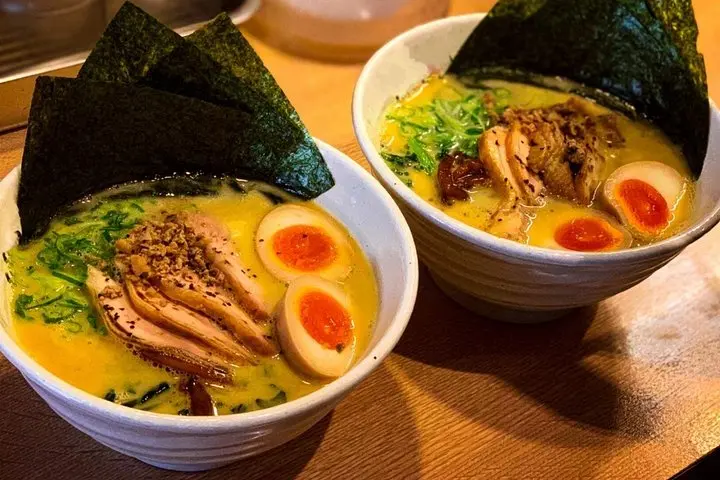
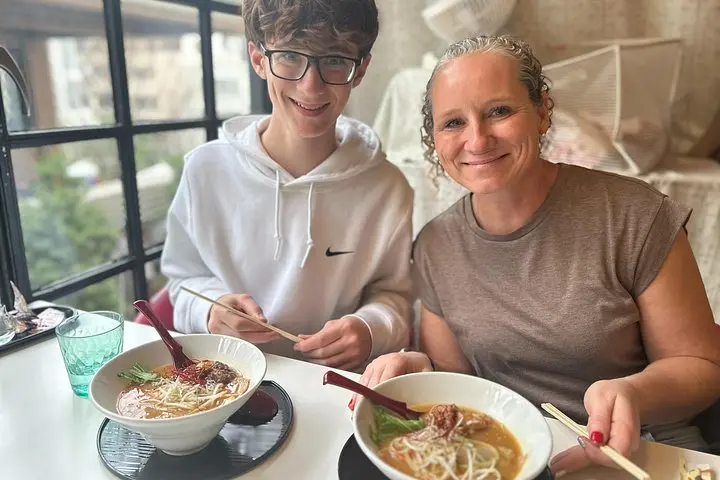
The tour includes three half-sized bowls at three different shops, designed so you can compare styles without getting overly full.
No; the operator notes that all broths contain chicken, pork, or fish—vegetarians should contact the operator for alternatives or skip this tour.
Yes; the meeting area is near Shibuya Station with multiple train and subway lines and easy bus connections.
Infants pay the admission fee; parents can order meals for children but should be aware of strong flavors and shared seating at small shops.
Fuji Tour operates guided outdoor trips and adventures with an emphasis on safety, stewardship, and memorable experiences.
You step off the Shibuya Scramble into a tangle of neon, narrow alleys and the thin steam that rises from a dozen tiny kitchens. The guide leads the group past storefronts whose noren curtains flap like small flags, and the smell of simmering broth pulls everyone inward for the first of three half-sized bowls.
You step off the Shibuya Scramble into a tangle of neon, narrow alleys and the thin steam that rises from a dozen tiny kitchens. The guide leads the group past storefronts whose noren curtains flap like small flags, and the smell of simmering broth pulls everyone inward for the first of three half-sized bowls.
Ramen in Tokyo is postwar practicality turned culinary obsession — bowls evolved from Chinese noodle stands to regional craft. Shibuya’s streets sit on a low alluvial plain carved by streams that once fed nearby rice fields; today that geology only shows in the flat, walkable grid and the Meguro River just a short walk away. On this tour you’ll learn how tonkotsu, shoyu and lighter broths differ, how noodle thickness changes mouthfeel, and why slurping is part etiquette, part temperature control.
Expect local stories about family-run shops, quick service culture, and modern twists like health-forward broths. The walk covers short distances between shops — plan for 2–3 hours total with standing and brief queueing.
Practical tips: bring cash (many small ramen-ya don’t take cards), wear comfortable shoes for city walking, and keep a light jacket for evening wind tunnels between buildings. If you have allergies to pork, fish, or chicken, notify your guide in advance — most broths contain animal stock. Arrive hungry, but leave ready to compare textures, spices, and the simple math of great ramen: temperature, broth, noodles, and time.