THE ADVENTURE COLLECTIVE® · Independent discovery and booking for outdoor travel

Taste three inventive ramen bowls around Shibuya with an English-speaking guide who explains the flavors and history behind each shop. This three-hour, small-group walking tour blends food, culture, and neighborhood discovery.
Taste three inventive ramen bowls around Shibuya with an English-speaking guide who explains the flavors and history behind each shop. This three-hour, small-group walking tour blends food, culture, and neighborhood discovery.
You step out of Shibuya Station and the scramble crossing swallows and spits people like an impatient tide; neon screens converse in flashes, while narrow alleys thread quieter promises. This tasting tour moves you off that main current into three compact shops where steam rises, broth smells sharpen, and bowls arrive like small, savory experiments.
Verified experiences and guided adventures in the surrounding area.
Operated by YURAGI · Tokyo, Tokyo
You step out of Shibuya Station and the scramble crossing swallows and spits people like an impatient tide; neon screens converse in flashes, while narrow alleys thread quieter promises. This tasting tour moves you off that main current into three compact shops where steam rises, broth smells sharpen, and bowls arrive like small, savory experiments.
Ramen itself is a recent immigrant to Japan, adapted from Chinese noodle soups and exploded into regional styles after World War II. Tokyo sits on the Kanto Plain, a flat urban basin that enabled the city to grow quickly — and with it a culture of late-night eateries and inventive chefs. In Shibuya you’ll witness youth culture rubbing shoulders with older shopkeepers who guard recipes passed down decades.
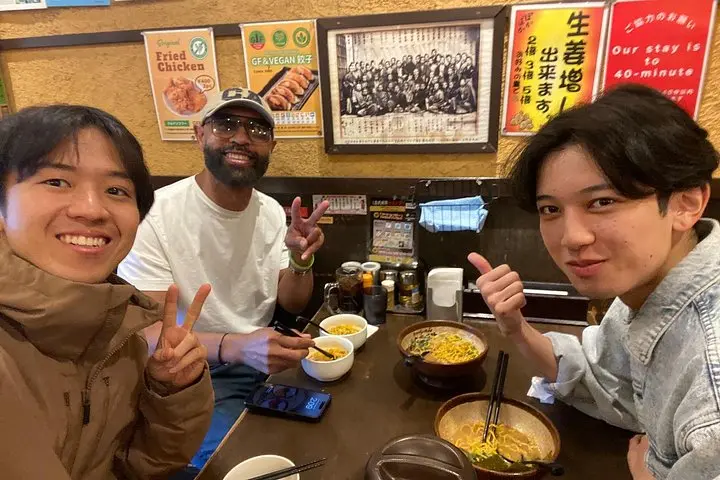
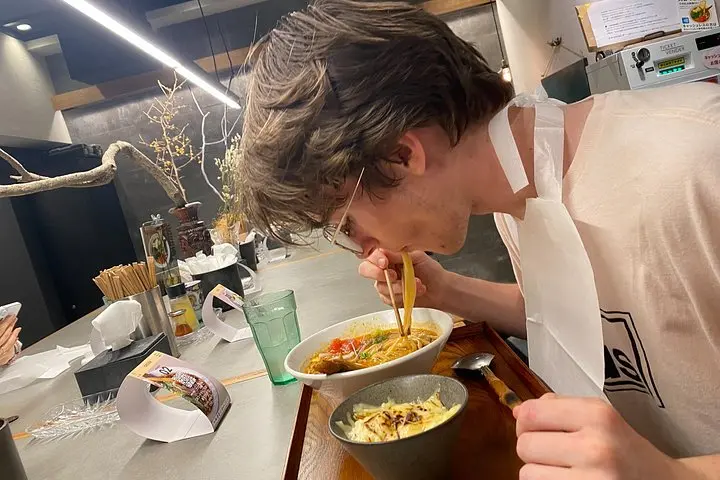
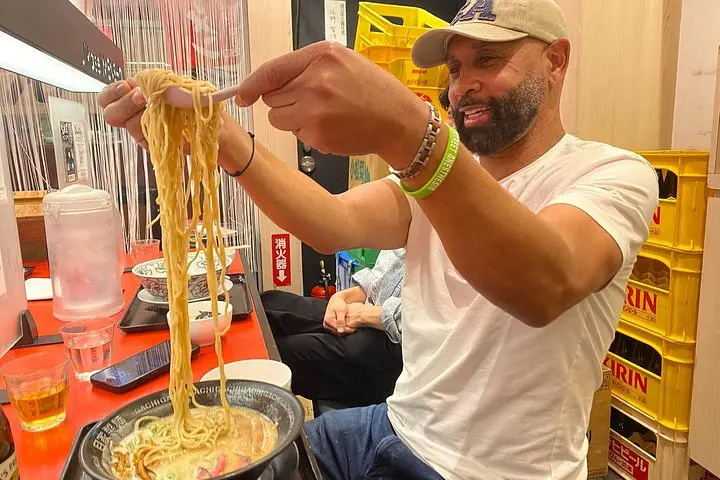
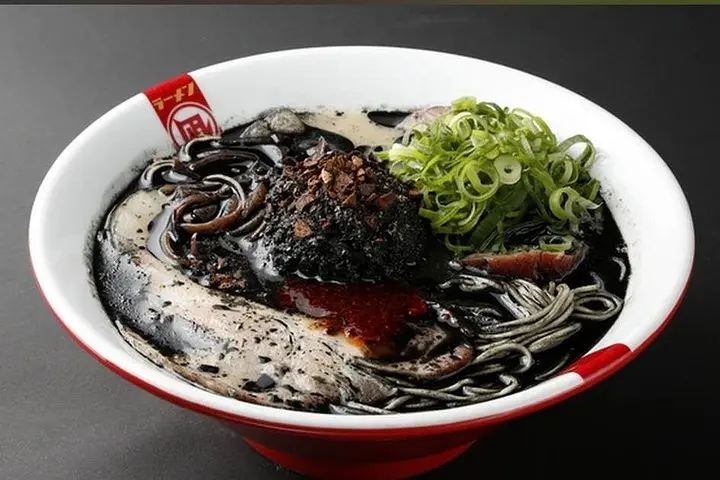
Expect three mini-bowls spaced within a short walking radius — flavors here range from curry-spiked broths to an unexpectedly silky tomato base — explained by an English-speaking guide who shares origin stories and eating etiquette.
Practical details: the tour covers about 1–1.5 km on foot over three hours, mostly flat pavement with occasional tight interiors. Bring cash (some tiny shops prefer it), a portable charger for photos, and an appetite calibrated for tasting portions rather than full meals. No tipping is customary in Japan. If you have dietary restrictions, notify the operator in advance; many broths use pork or chicken.
This is a small-group, curiosity-forward outing that pairs urban exploration with culinary discovery — ideal for visitors who want local flavors, context, and a walkable sample of Shibuya beyond the scramble.
Tasting portions are mini-bowls designed to let you sample multiple styles—they add up but may not equal a full dinner for some; skip a main meal beforehand if you're very hungry.
Many broths use pork, chicken, or fish; notify the operator when booking and they will advise which stops can accommodate or suggest alternatives.
Most tours meet near a clearly identified landmark by Shibuya Station—confirm the exact meeting point and a contact phone number on your booking voucher.
No—tipping is not customary in Japan; exceptional service is best acknowledged with gratitude rather than money.
YURAGI operates guided outdoor trips and adventures with an emphasis on safety, stewardship, and memorable experiences.
You step out of Shibuya Station and the scramble crossing swallows and spits people like an impatient tide; neon screens converse in flashes, while narrow alleys thread quieter promises. This tasting tour moves you off that main current into three compact shops where steam rises, broth smells sharpen, and bowls arrive like small, savory experiments.
You step out of Shibuya Station and the scramble crossing swallows and spits people like an impatient tide; neon screens converse in flashes, while narrow alleys thread quieter promises. This tasting tour moves you off that main current into three compact shops where steam rises, broth smells sharpen, and bowls arrive like small, savory experiments.
Ramen itself is a recent immigrant to Japan, adapted from Chinese noodle soups and exploded into regional styles after World War II. Tokyo sits on the Kanto Plain, a flat urban basin that enabled the city to grow quickly — and with it a culture of late-night eateries and inventive chefs. In Shibuya you’ll witness youth culture rubbing shoulders with older shopkeepers who guard recipes passed down decades.
Expect three mini-bowls spaced within a short walking radius — flavors here range from curry-spiked broths to an unexpectedly silky tomato base — explained by an English-speaking guide who shares origin stories and eating etiquette.
Practical details: the tour covers about 1–1.5 km on foot over three hours, mostly flat pavement with occasional tight interiors. Bring cash (some tiny shops prefer it), a portable charger for photos, and an appetite calibrated for tasting portions rather than full meals. No tipping is customary in Japan. If you have dietary restrictions, notify the operator in advance; many broths use pork or chicken.
This is a small-group, curiosity-forward outing that pairs urban exploration with culinary discovery — ideal for visitors who want local flavors, context, and a walkable sample of Shibuya beyond the scramble.