THE ADVENTURE COLLECTIVE® · Independent discovery and booking for outdoor travel

Experience Shibuya’s frenetic crossing, pay respects at Hachiko’s statue, and discover Gotoku-ji’s thousands of lucky cat figurines on a compact 3.5-hour walking tour. Expect urban contrasts, local stories, and practical tips to navigate crowds and rain.
Experience Shibuya’s frenetic crossing, pay respects at Hachiko’s statue, and discover Gotoku-ji’s thousands of lucky cat figurines on a compact 3.5-hour walking tour. Expect urban contrasts, local stories, and practical tips to navigate crowds and rain.
You step out into Shibuya’s pulse: LED billboards blink, a river of people parts and reforms across the famous scramble, and the bronze figure of Hachiko waits like a faithful punctuation mark in the middle of it all.
Verified experiences and guided adventures in the surrounding area.
Operated by InsideOutJapan · Tokyo, Tokyo
You step out into Shibuya’s pulse: LED billboards blink, a river of people parts and reforms across the famous scramble, and the bronze figure of Hachiko waits like a faithful punctuation mark in the middle of it all.
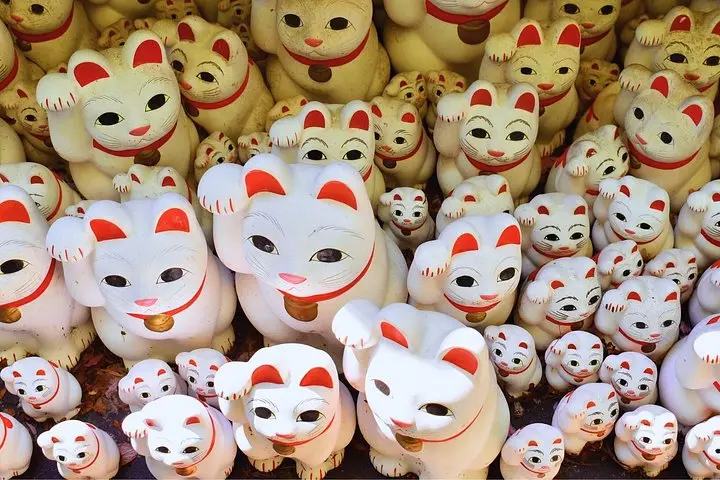
This three-and-a-half-hour walking tour threads modern Tokyo with older corners of Setagaya, moving from the kinetic energy of Shibuya Crossing through narrow nightlife alleys to the quieter, almost unexpected calm at Gotoku-ji — the so-called Lucky Cat Temple. Along the way guides unpack local lore: Hachiko’s daily vigil after his owner’s death, the origin story of the maneki-neko figurines stacked in hundreds on temple grounds, and how the Kanto Plain’s river sediments and nearby volcanic soils shaped Tokyo’s urban sprawl.
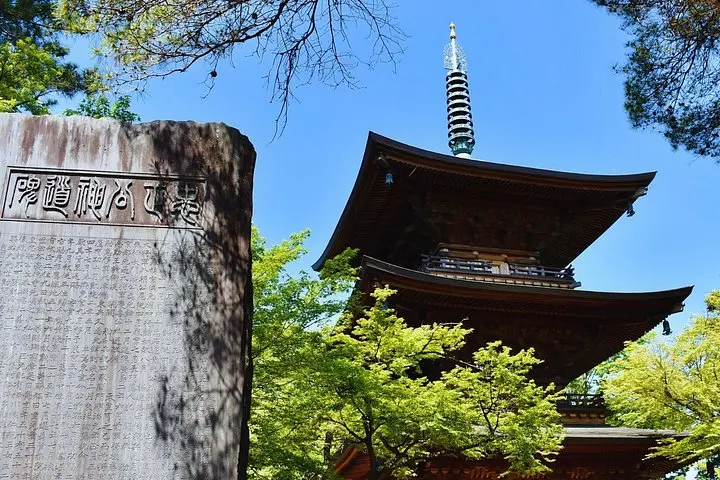
Culturally, the route highlights contrasts: business towers and youth fashion next to wooden shrine gates and tiny izakaya alleys. You’ll pass Nonbei Yokocho and a Hachiman shrine that predates much of the modern grid, seeing how ritual and nightlife coexist.
Practically, expect paved city sidewalks, some narrow lanes, and intermittent stair access at shrines; total walking is moderate and steady. Bring comfortable shoes, a light rain layer, cash for small temple offerings and drinks, and a charged phone for navigation — Shibuya can be disorienting in a crowd.
Tours go in most weather; mornings dodge the thickest commuter swarms while evenings show neon and izakaya life. For a short urban hike that balances history, pop culture, and local color, this route delivers a compact Tokyo primer.
The tour lasts about 3.5 hours and covers several kilometers across Shibuya and toward Gotoku-ji, with moderate, continuous walking on paved surfaces.
Parts of the tour are wheelchair and stroller accessible (noted attractions are reachable), but narrow alleys and some shrine steps may be challenging — contact the operator for specifics.
This departure lists English or Italian storytellers; verify language availability when booking to ensure your preferred guide is assigned.
No admissions are required for the stops listed (statues, shrines, temple grounds), though small donations at temples or paid observation decks are optional and paid on-site.
InsideOutJapan operates guided outdoor trips and adventures with an emphasis on safety, stewardship, and memorable experiences.

You step out into Shibuya’s pulse: LED billboards blink, a river of people parts and reforms across the famous scramble, and the bronze figure of Hachiko waits like a faithful punctuation mark in the middle of it all.
You step out into Shibuya’s pulse: LED billboards blink, a river of people parts and reforms across the famous scramble, and the bronze figure of Hachiko waits like a faithful punctuation mark in the middle of it all.
This three-and-a-half-hour walking tour threads modern Tokyo with older corners of Setagaya, moving from the kinetic energy of Shibuya Crossing through narrow nightlife alleys to the quieter, almost unexpected calm at Gotoku-ji — the so-called Lucky Cat Temple. Along the way guides unpack local lore: Hachiko’s daily vigil after his owner’s death, the origin story of the maneki-neko figurines stacked in hundreds on temple grounds, and how the Kanto Plain’s river sediments and nearby volcanic soils shaped Tokyo’s urban sprawl.
Culturally, the route highlights contrasts: business towers and youth fashion next to wooden shrine gates and tiny izakaya alleys. You’ll pass Nonbei Yokocho and a Hachiman shrine that predates much of the modern grid, seeing how ritual and nightlife coexist.
Practically, expect paved city sidewalks, some narrow lanes, and intermittent stair access at shrines; total walking is moderate and steady. Bring comfortable shoes, a light rain layer, cash for small temple offerings and drinks, and a charged phone for navigation — Shibuya can be disorienting in a crowd.
Tours go in most weather; mornings dodge the thickest commuter swarms while evenings show neon and izakaya life. For a short urban hike that balances history, pop culture, and local color, this route delivers a compact Tokyo primer.