THE ADVENTURE COLLECTIVE® · Independent discovery and booking for outdoor travel

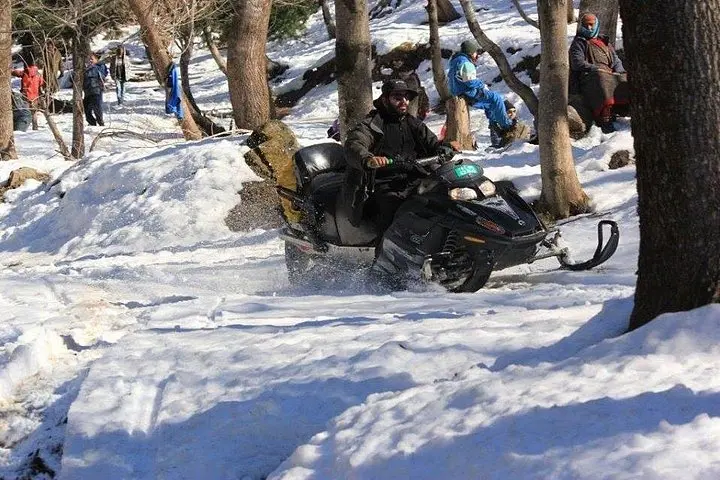
An accessible 6-day circuit from Delhi through Shimla and Manali that pairs colonial-era towns with high Himalayan valleys. Expect long scenic drives, cultural stops, and optional snow experiences near Rohtang.
An accessible 6-day circuit from Delhi through Shimla and Manali that pairs colonial-era towns with high Himalayan valleys. Expect long scenic drives, cultural stops, and optional snow experiences near Rohtang.
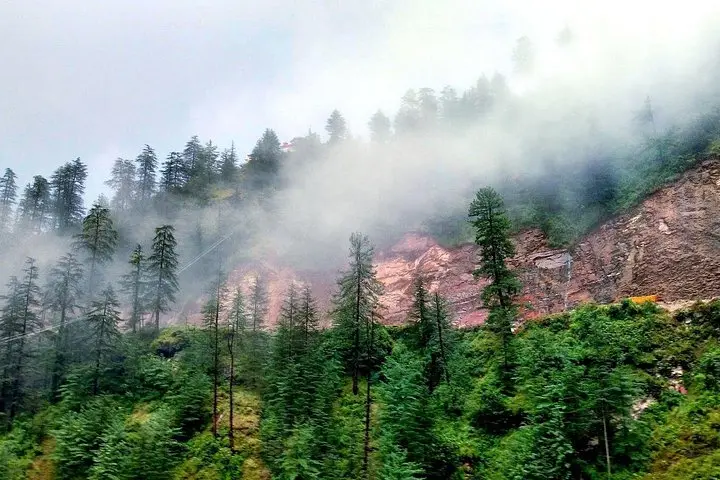
You step out of the car as the road exhales into pine-scented air and a string of ridgelines unfolds—Shimla’s colonial rooftops sitting low beneath the higher teeth of the Himalaya. The route from Delhi climbs through the Shivalik foothills, delivering alternating views of orchards, terraces and river valleys before the green gives way to snow-tipped peaks near Manali.
Verified experiences and guided adventures in the surrounding area.
Operated by Indian Travel Online · Shimla, Himachal Pradesh
You step out of the car as the road exhales into pine-scented air and a string of ridgelines unfolds—Shimla’s colonial rooftops sitting low beneath the higher teeth of the Himalaya. The route from Delhi climbs through the Shivalik foothills, delivering alternating views of orchards, terraces and river valleys before the green gives way to snow-tipped peaks near Manali.
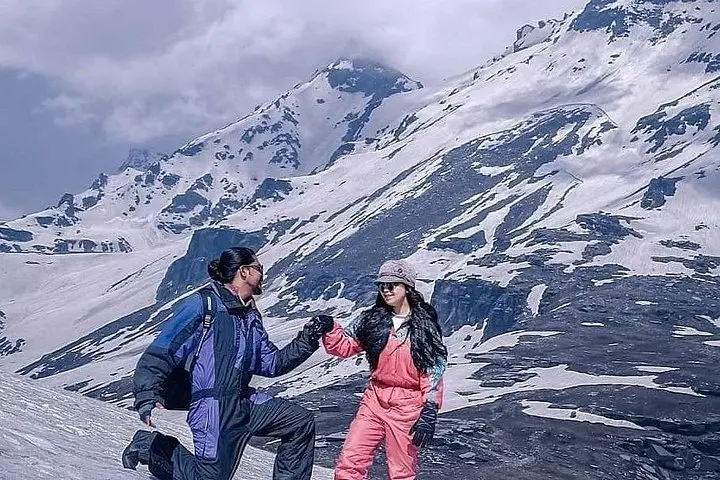
Shimla served as the British summer capital; its Mall Road and Gothic stone buildings still reflect that era. Manali’s cultural anchor is older: the town takes its name from Manu and sits where mountain culture—Tibetan Buddhist monasteries, Pahari crafts and river-valley livelihoods—meet high alpine geography. Geologically this corridor is young Himalaya: folded, faulted sedimentary rocks uplifted into sharp valleys and passes such as Rohtang, which controls western Himalayan weather and glaciation visible from Solang.
Expect short cultural detours—Jakhu Temple’s hilltop views, Kufri’s pony stalls, local shawl workshops in Kullu, Hidimba Devi’s timber shrine, and the quiet of Vashisht hot springs. The tour mixes long drives (some days seven-plus hours) with brief high-altitude excursions; Rohtang access is often regulated and sometimes limited to snow-line viewpoints.
Practically, plan for variable temperatures—daytime sun at lower elevations and sudden cold near snowfields. Carry layered clothing, sturdy walking shoes, and water; if you have altitude sensitivity, bring medication and allow gentle pacing. Confirm Rohtang permits/fees in advance, and expect private AC vehicle transfers and 3-star hotels included. This itinerary suits travelers who want Himalayan scenery, light cultural walking and convenience without backcountry camping.
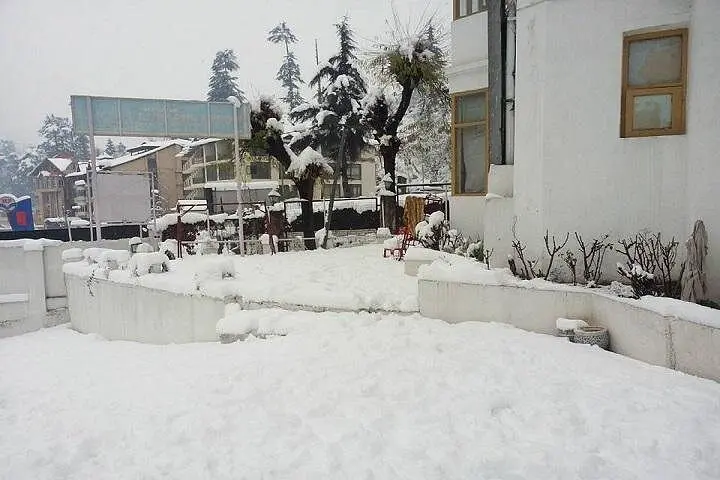
May to October offers pleasant weather and most attractions accessible; winter (Dec–Feb) brings snow but some roads and Rohtang may close.
Rohtang access is regulated by local authorities; permits and road rules change seasonally—confirm with your operator before travel and budget for pass fees if visiting the Rohtang area.
Most stops are below extreme altitudes, but Rohtang approaches higher elevation—those sensitive to altitude should acclimatize, stay hydrated, and consider consulting a physician about medication.
This package typically includes breakfast and dinner with 3-star hotel accommodations for the listed nights; check the booking details for exact inclusions and any supplements.
Indian Travel Online operates guided outdoor trips and adventures with an emphasis on safety, stewardship, and memorable experiences.
You step out of the car as the road exhales into pine-scented air and a string of ridgelines unfolds—Shimla’s colonial rooftops sitting low beneath the higher teeth of the Himalaya. The route from Delhi climbs through the Shivalik foothills, delivering alternating views of orchards, terraces and river valleys before the green gives way to snow-tipped peaks near Manali.
You step out of the car as the road exhales into pine-scented air and a string of ridgelines unfolds—Shimla’s colonial rooftops sitting low beneath the higher teeth of the Himalaya. The route from Delhi climbs through the Shivalik foothills, delivering alternating views of orchards, terraces and river valleys before the green gives way to snow-tipped peaks near Manali.
Shimla served as the British summer capital; its Mall Road and Gothic stone buildings still reflect that era. Manali’s cultural anchor is older: the town takes its name from Manu and sits where mountain culture—Tibetan Buddhist monasteries, Pahari crafts and river-valley livelihoods—meet high alpine geography. Geologically this corridor is young Himalaya: folded, faulted sedimentary rocks uplifted into sharp valleys and passes such as Rohtang, which controls western Himalayan weather and glaciation visible from Solang.
Expect short cultural detours—Jakhu Temple’s hilltop views, Kufri’s pony stalls, local shawl workshops in Kullu, Hidimba Devi’s timber shrine, and the quiet of Vashisht hot springs. The tour mixes long drives (some days seven-plus hours) with brief high-altitude excursions; Rohtang access is often regulated and sometimes limited to snow-line viewpoints.
Practically, plan for variable temperatures—daytime sun at lower elevations and sudden cold near snowfields. Carry layered clothing, sturdy walking shoes, and water; if you have altitude sensitivity, bring medication and allow gentle pacing. Confirm Rohtang permits/fees in advance, and expect private AC vehicle transfers and 3-star hotels included. This itinerary suits travelers who want Himalayan scenery, light cultural walking and convenience without backcountry camping.