
Shimokitazawa Vintage Shopping Tour — Local Guide to Tokyo’s Second‑Hand Scene
Explore Tokyo’s Shimokitazawa with a local vintage expert who leads you through alleys of second‑hand gems, from bargain finds to rare pieces. This two‑hour tour mixes local history, shopping strategy, and practical tips to make the most of Tokyo’s vintage capital.
An Adventure In Tokyo.
Explore Tokyo’s Shimokitazawa with a local vintage expert who leads you through alleys of second‑hand gems, from bargain finds to rare pieces. This two‑hour tour mixes local history, shopping strategy, and practical tips to make the most of Tokyo’s vintage capital.
Read the full experience
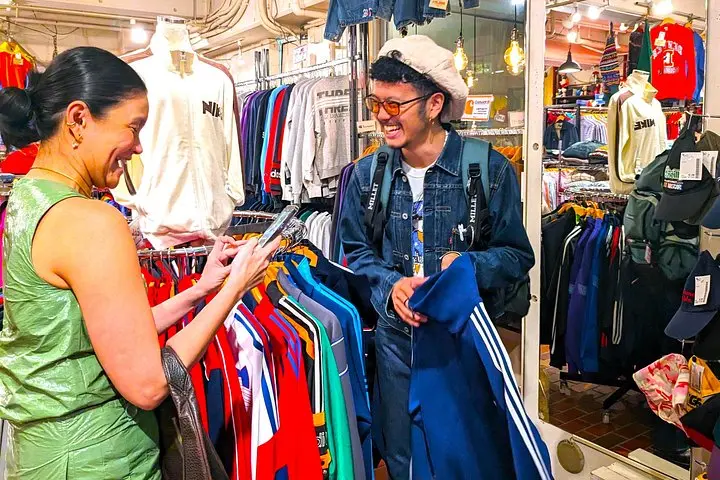
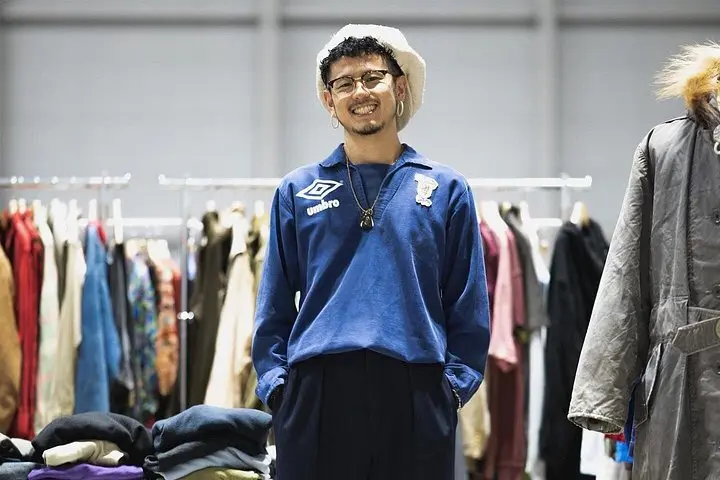
You step out of the elevated train into a narrow web of alleys where racks and racks of clothes spill like color from shop doors. Shimokitazawa hums at a human scale: low storefronts, faded posters for small theatres, local cafés with hand-lettered menus. The guide threads the group past a patchwork of boutiques — some decades-old, others newly opened in the wake of redevelopment — pointing to a Levi’s hem here, a kimono tucked away there.
You step out of the elevated train into a narrow web of alleys where racks and racks of clothes spill like color from shop doors. Shimokitazawa hums at a human scale: low storefronts, faded posters for small theatres, local cafés with hand-lettered menus. The guide threads the group past a patchwork of boutiques — some decades-old, others newly opened in the wake of redevelopment — pointing to a Levi’s hem here, a kimono tucked away there.
Shimokitazawa grew after WWII as a theatre and student neighborhood and matured into Tokyo’s second‑hand capital by the 1970s and 80s. Its streets carry the imprint of that cultural history: independent stages, live-music bars, and a thrifty fashion culture that values reuse as much as discovery. Geology matters only in the soft slope of Setagaya’s low hills, but the real terrain is social — tiny shops clustered around railway lines, each with its own curation and price logic.
Practical guidance: this is a two‑hour, low‑impact walking tour best for people comfortable on their feet and curious about clothing history and fit. Wear comfortable shoes, bring a small tote or reusable bag for purchases, and have some cash — smaller second‑hand stores may prefer it. Mornings on weekdays are quieter; weekend afternoons get busy. Sizes run smaller in Japan, so try items on when possible and ask the guide for tailoring or measurement tips. Language is rarely a barrier here; many guides and shopkeepers will use basic English, and your local expert will bridge gaps.
This tour is as much about stories as shopping: every seam and stain hints at a previous life, and buying used here is both a cultural exchange and a small, practical way to reduce waste.
Frequently asked questions
Some larger or newer shops accept cards, but many independent vintage stores prefer cash — bring some yen to be safe.
Yes — most shops have fitting rooms or allow in‑store try‑ons; the guide can help with sizes and measurements if language is a barrier.
Haggling is uncommon in Japan; prices are generally fixed, though you can politely ask about condition discounts on multiple items.
Yes — the tour is low‑impact and stroller‑friendly in most areas, though narrow shops may be tight with a stroller or young children.
About This Experience
下北沢古着屋巡り operates guided outdoor trips and adventures with an emphasis on safety, stewardship, and memorable experiences.
Adventure tips
Recommended gear
- Comfortable walking shoes: Closed, supportive shoes make moving between shops and trying garments easier.
- Portable phone charger: You’ll likely take photos and look up product details; a charger prevents a dead phone mid‑hunt.
- Reusable shopping bag: Small shops may not provide bags, and a tote keeps finds protected and consolidated.
- Small wallet with Japanese yen: Some stores prefer cash, and coins are useful for small purchases or machine lockers.
Photos of the experience
Related adventures & guides
Read the full experience
You step out of the elevated train into a narrow web of alleys where racks and racks of clothes spill like color from shop doors. Shimokitazawa hums at a human scale: low storefronts, faded posters for small theatres, local cafés with hand-lettered menus. The guide threads the group past a patchwork of boutiques — some decades-old, others newly opened in the wake of redevelopment — pointing to a Levi’s hem here, a kimono tucked away there.
You step out of the elevated train into a narrow web of alleys where racks and racks of clothes spill like color from shop doors. Shimokitazawa hums at a human scale: low storefronts, faded posters for small theatres, local cafés with hand-lettered menus. The guide threads the group past a patchwork of boutiques — some decades-old, others newly opened in the wake of redevelopment — pointing to a Levi’s hem here, a kimono tucked away there.
Shimokitazawa grew after WWII as a theatre and student neighborhood and matured into Tokyo’s second‑hand capital by the 1970s and 80s. Its streets carry the imprint of that cultural history: independent stages, live-music bars, and a thrifty fashion culture that values reuse as much as discovery. Geology matters only in the soft slope of Setagaya’s low hills, but the real terrain is social — tiny shops clustered around railway lines, each with its own curation and price logic.
Practical guidance: this is a two‑hour, low‑impact walking tour best for people comfortable on their feet and curious about clothing history and fit. Wear comfortable shoes, bring a small tote or reusable bag for purchases, and have some cash — smaller second‑hand stores may prefer it. Mornings on weekdays are quieter; weekend afternoons get busy. Sizes run smaller in Japan, so try items on when possible and ask the guide for tailoring or measurement tips. Language is rarely a barrier here; many guides and shopkeepers will use basic English, and your local expert will bridge gaps.
This tour is as much about stories as shopping: every seam and stain hints at a previous life, and buying used here is both a cultural exchange and a small, practical way to reduce waste.
Make a day of it nearby.
Verified experiences and guided adventures in the surrounding area.