THE ADVENTURE COLLECTIVE® · Independent discovery and booking for outdoor travel

Leave the skyscrapers behind and follow guide-lit alleys through Shinjuku’s hidden side—Hanazono-jinja, Omoide Yokocho and Golden Gai reveal layers of Edo-era post‑town life and post‑war resilience. This 90‑minute walk pairs local stories with practical tips for navigating narrow lanes and late‑night eats.
Leave the skyscrapers behind and follow guide-lit alleys through Shinjuku’s hidden side—Hanazono-jinja, Omoide Yokocho and Golden Gai reveal layers of Edo-era post‑town life and post‑war resilience. This 90‑minute walk pairs local stories with practical tips for navigating narrow lanes and late‑night eats.
You step out of Shinjuku Station and the city exhales—neon breathes into narrow alleys that seem to hold decades of stories. The guide leads you away from the glass towers into laneways where paper lanterns hang low, yakitori smoke curls like a memory, and silent shrines pause the noise.
Verified experiences and guided adventures in the surrounding area.
Operated by TrevoTour Travels · Shinjuku, Tokyo
You step out of Shinjuku Station and the city exhales—neon breathes into narrow alleys that seem to hold decades of stories. The guide leads you away from the glass towers into laneways where paper lanterns hang low, yakitori smoke curls like a memory, and silent shrines pause the noise.
This 90-minute route threads Hanazono-jinja, Omoide Yokocho, Golden Gai and lesser-known lanes that survived Tokyo’s rapid modernization. Shinjuku began as a post town on the Kōshū Kaidō in the Edo period; post‑war reconstruction and entertainment booms layered new meaning over old streets. The area’s compact blocks sit on alluvial plains—short, steep steps and tiled drains reveal how water once shaped movement here, and how residents adapted the grid to river courses long since buried.
Cultural touchpoints appear in quick succession: vermilion shrine gates, tiny izakaya counters, and graffiti-scratched shutters that keep neighborhood memory. Guides share stories of samurai-era waystations, wartime recovery, and the subculture growth that made Golden Gai an incubator for artists and late‑night talkers.
Practical guidance is part of the rhythm. Expect steady walking with stairs and occasional crowds; evenings bring the most atmosphere and chances to sample vending-machine drinks and bar snacks. Carry small bills, thank shopkeepers with a bow, and keep noise low in residential pockets. Wear supportive shoes, bring a light jacket for sudden rain, and plan to meet at the East Exit police box for a prompt start. This is urban exploration with an attentive guide—history in motion, alley by alley.
Meet at the Shinjuku Station East Exit police box (3 Chome-38-1 Shinjuku) for an on-time departure.
Yes—stroller accessible, but expect stairs and narrow alleys that may require folding the stroller in spots.
The guide may recommend stops and provide one vending-machine drink recommendation; purchases at bars or stalls are at your discretion and expense.
The operator lists wheelchair accessibility, but contact them ahead to confirm route adjustments for mobility needs.
TrevoTour Travels operates guided outdoor trips and adventures with an emphasis on safety, stewardship, and memorable experiences.
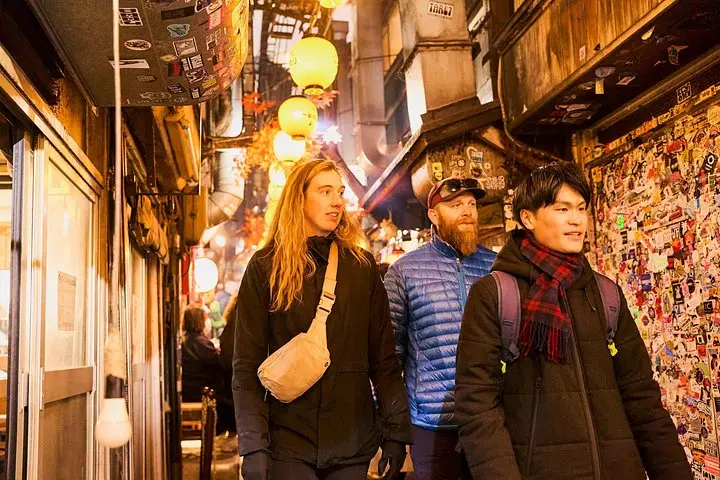
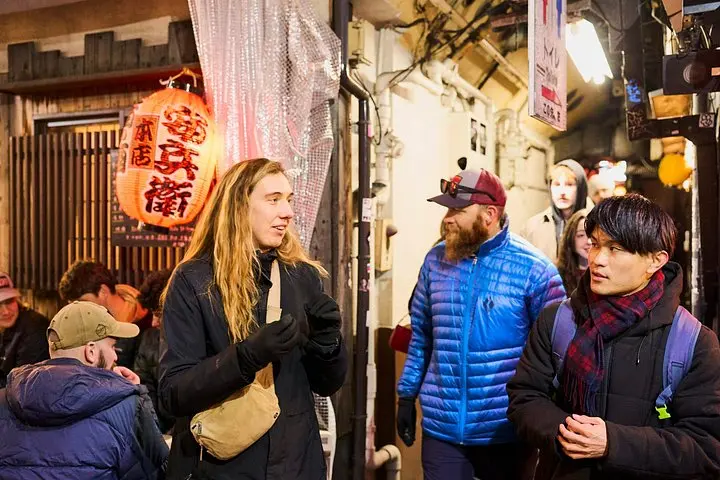

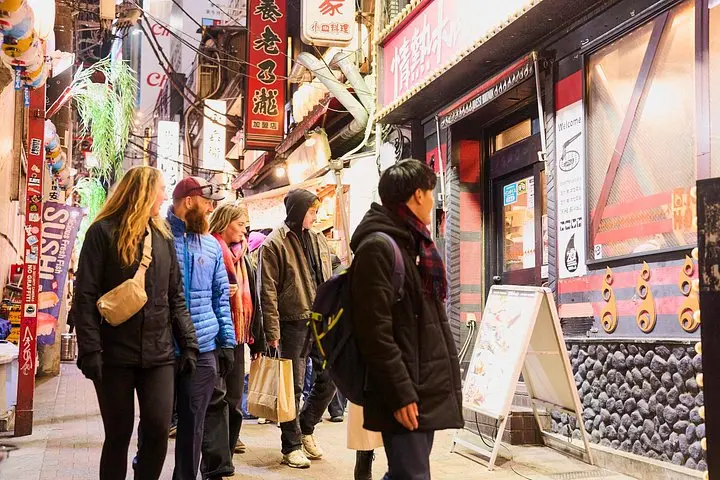
You step out of Shinjuku Station and the city exhales—neon breathes into narrow alleys that seem to hold decades of stories. The guide leads you away from the glass towers into laneways where paper lanterns hang low, yakitori smoke curls like a memory, and silent shrines pause the noise.
You step out of Shinjuku Station and the city exhales—neon breathes into narrow alleys that seem to hold decades of stories. The guide leads you away from the glass towers into laneways where paper lanterns hang low, yakitori smoke curls like a memory, and silent shrines pause the noise.
This 90-minute route threads Hanazono-jinja, Omoide Yokocho, Golden Gai and lesser-known lanes that survived Tokyo’s rapid modernization. Shinjuku began as a post town on the Kōshū Kaidō in the Edo period; post‑war reconstruction and entertainment booms layered new meaning over old streets. The area’s compact blocks sit on alluvial plains—short, steep steps and tiled drains reveal how water once shaped movement here, and how residents adapted the grid to river courses long since buried.
Cultural touchpoints appear in quick succession: vermilion shrine gates, tiny izakaya counters, and graffiti-scratched shutters that keep neighborhood memory. Guides share stories of samurai-era waystations, wartime recovery, and the subculture growth that made Golden Gai an incubator for artists and late‑night talkers.
Practical guidance is part of the rhythm. Expect steady walking with stairs and occasional crowds; evenings bring the most atmosphere and chances to sample vending-machine drinks and bar snacks. Carry small bills, thank shopkeepers with a bow, and keep noise low in residential pockets. Wear supportive shoes, bring a light jacket for sudden rain, and plan to meet at the East Exit police box for a prompt start. This is urban exploration with an attentive guide—history in motion, alley by alley.