THE ADVENTURE COLLECTIVE® · Independent discovery and booking for outdoor travel

Walk Shinsekai at dusk and let neon, steam and savory aromas lead you to four curated food stops. This 3.5‑hour evening tour pairs local history with hands‑on tasting—perfect for first‑time Osaka visitors who want to eat like a local.
Walk Shinsekai at dusk and let neon, steam and savory aromas lead you to four curated food stops. This 3.5‑hour evening tour pairs local history with hands‑on tasting—perfect for first‑time Osaka visitors who want to eat like a local.
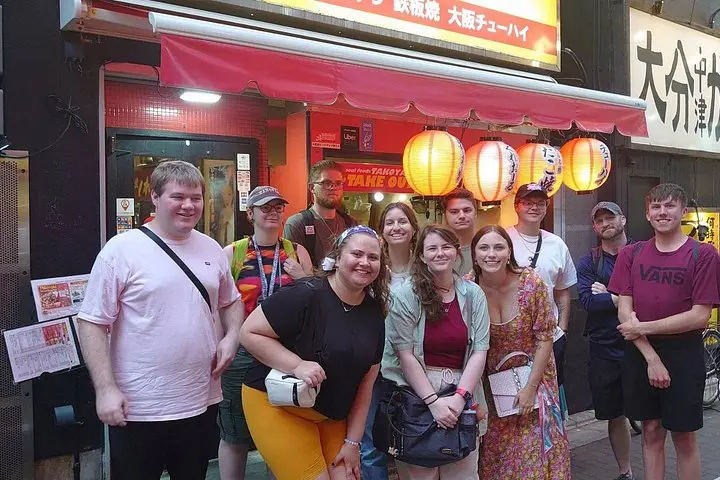
The neon breathes its own life as you step from the station into Shinsekai: steam from street kitchens curls through alleys, and the 103‑meter Tsūtenkaku tower watches over a district that still moves at early 20th‑century pace.
Verified experiences and guided adventures in the surrounding area.
Operated by japan local and fun experiences · Osaka, Osaka
The neon breathes its own life as you step from the station into Shinsekai: steam from street kitchens curls through alleys, and the 103‑meter Tsūtenkaku tower watches over a district that still moves at early 20th‑century pace.
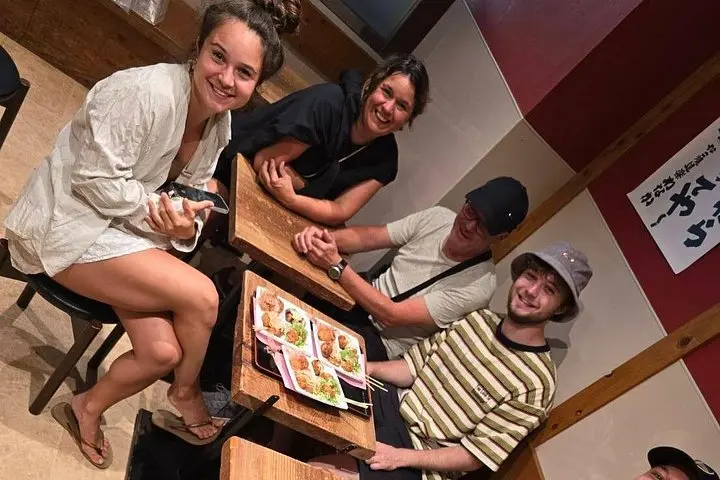
This half‑day evening tour threads you through narrow commercial strips and arcade‑lined lanes introduced in 1912, pausing at four curated food stops to sample kushikatsu, takoyaki, sweets and local drinks. Along the way a guide points out Billiken—Osaka’s adopted “God of Luck”—and explains how Shinsekai was rebuilt and revitalized after wartime decline, balancing working‑class roots with modern tax‑free shops and small shrines like Isshin‑ji nearby.
Geology isn’t the show here; urban layers are: ceramic tile facades, retro signage, and a street pattern that channels foot traffic into intimate tasting rooms. The culture is tactile—food vendors who learned recipes from grandparents, stall owners who haggle in friendly rhythm, and a community that celebrates casual evening eating.
Practical guidance: expect 3–3.5 hours of mostly flat walking on pavement and arcade floors, frequent standing at counters, and multiple small portions rather than a full meal at each stop. Bring comfortable walking shoes, a light layer for cool evenings, and a Suica/ICOCA card or small bills for incidental purchases. The tour accommodates common dietary needs—confirm ahead for strict allergies.
This experience suits anyone curious about Osaka’s street‑food heritage: it’s social, low‑impact, and a compact way to taste local life and leave with directions to return on your own.
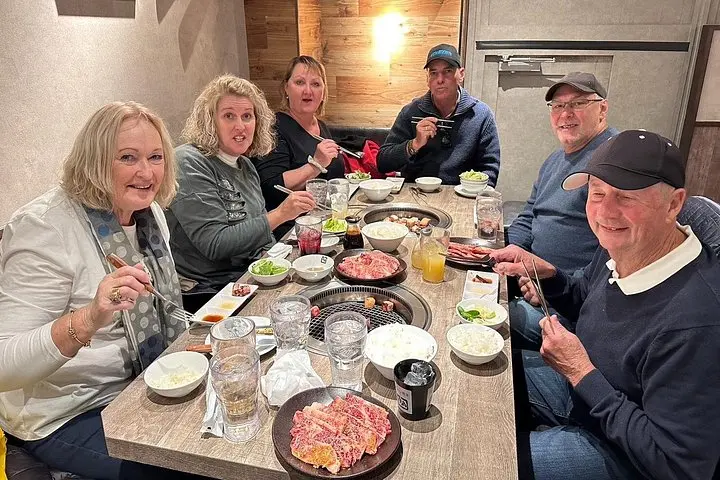
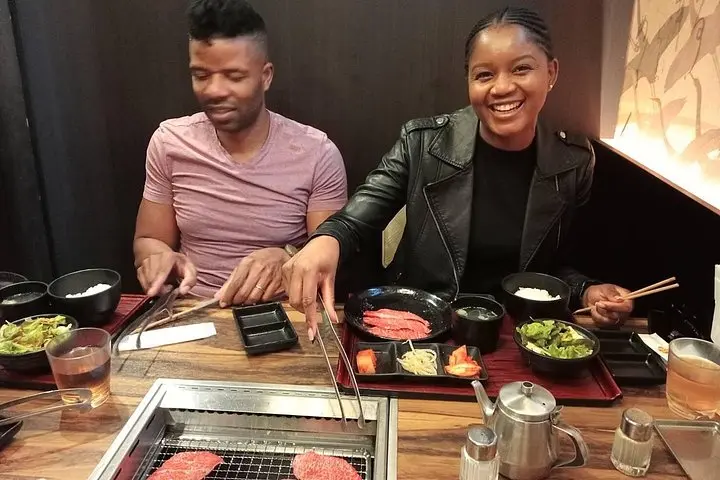
Yes—this tour includes tastings at four different stalls or small restaurants, plus some soft drinks; portions are tasting‑sized rather than full meals.
Yes—the operator accepts common requests (vegetarian, vegan, gluten‑free); note specifics when booking so vendors can be notified.
The meeting point is in Shinsekai near Tsūtenkaku; it’s accessible by JR and subway—your booking confirmation will include the exact meeting location and transit directions.
Yes—infants can sit on laps and the tour is family‑friendly, but it involves standing and walking for several hours, so plan accordingly.
japan local and fun experiences operates guided outdoor trips and adventures with an emphasis on safety, stewardship, and memorable experiences.
The neon breathes its own life as you step from the station into Shinsekai: steam from street kitchens curls through alleys, and the 103‑meter Tsūtenkaku tower watches over a district that still moves at early 20th‑century pace.
The neon breathes its own life as you step from the station into Shinsekai: steam from street kitchens curls through alleys, and the 103‑meter Tsūtenkaku tower watches over a district that still moves at early 20th‑century pace.
This half‑day evening tour threads you through narrow commercial strips and arcade‑lined lanes introduced in 1912, pausing at four curated food stops to sample kushikatsu, takoyaki, sweets and local drinks. Along the way a guide points out Billiken—Osaka’s adopted “God of Luck”—and explains how Shinsekai was rebuilt and revitalized after wartime decline, balancing working‑class roots with modern tax‑free shops and small shrines like Isshin‑ji nearby.
Geology isn’t the show here; urban layers are: ceramic tile facades, retro signage, and a street pattern that channels foot traffic into intimate tasting rooms. The culture is tactile—food vendors who learned recipes from grandparents, stall owners who haggle in friendly rhythm, and a community that celebrates casual evening eating.
Practical guidance: expect 3–3.5 hours of mostly flat walking on pavement and arcade floors, frequent standing at counters, and multiple small portions rather than a full meal at each stop. Bring comfortable walking shoes, a light layer for cool evenings, and a Suica/ICOCA card or small bills for incidental purchases. The tour accommodates common dietary needs—confirm ahead for strict allergies.
This experience suits anyone curious about Osaka’s street‑food heritage: it’s social, low‑impact, and a compact way to taste local life and leave with directions to return on your own.