THE ADVENTURE COLLECTIVE® · Independent discovery and booking for outdoor travel

Walk from Shinsekai’s retro streets to the neon of Dotonbori with a local guide, sampling 6–10 Osaka specialties and learning the neighborhood histories behind each bite. This three-hour tour emphasizes local vendors, cultural context, and manageable urban walking.
Walk from Shinsekai’s retro streets to the neon of Dotonbori with a local guide, sampling 6–10 Osaka specialties and learning the neighborhood histories behind each bite. This three-hour tour emphasizes local vendors, cultural context, and manageable urban walking.
You step out of Ebisucho Station and the air changes—warm oil, sweet soy, the pep of a city that treats eating like civic duty.
Verified experiences and guided adventures in the surrounding area.
Operated by Cooking Sun · Osaka, Osaka Prefecture
You step out of Ebisucho Station and the air changes—warm oil, sweet soy, the pep of a city that treats eating like civic duty.
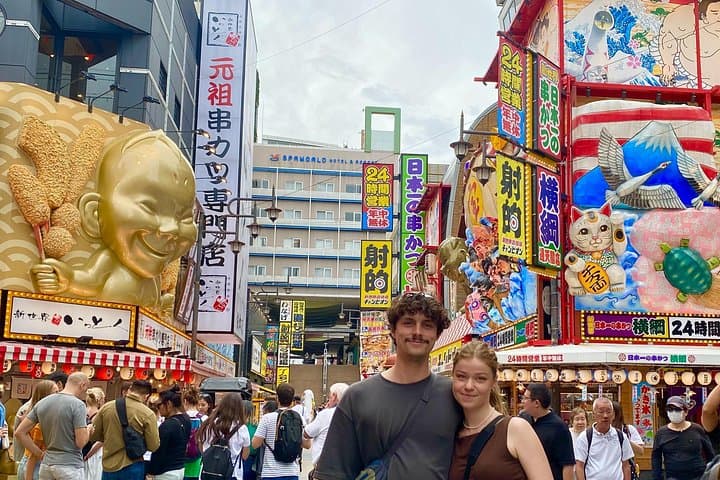
This three-hour walking tour threads Shinsekai’s retro lanes, pauses at Tsutenkaku’s base for a sketch of its 1912 origins and postwar rebuild, then moves through depachika counters and the lantern-lit alleys of Hozenji Yokocho before finishing at the glowing Glico sign in Dotonbori.
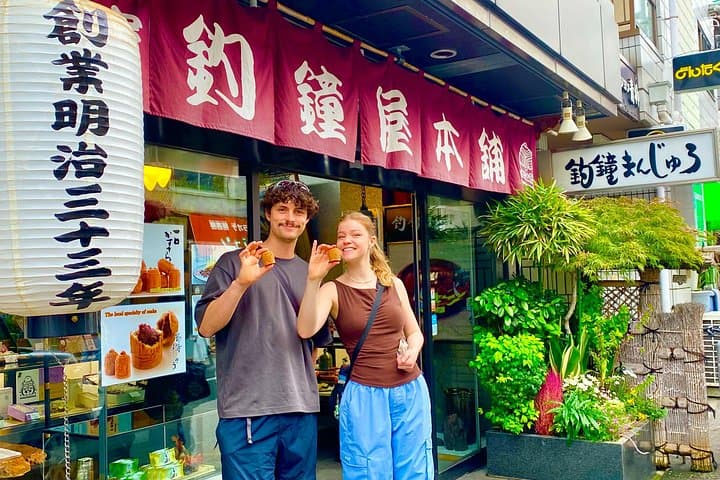
Geology and history here are urban: landfill-expanded riverbanks, canals that shaped trade routes, and architecture that marks Osaka’s push from Edo-era merchant town to 20th-century industrial hub. The tour’s stops highlight lived-in culture—centuries-old wagashi makers, a historic butcher shop still frying croquettes, and kushikatsu stalls where locals queue shoulder-to-shoulder.
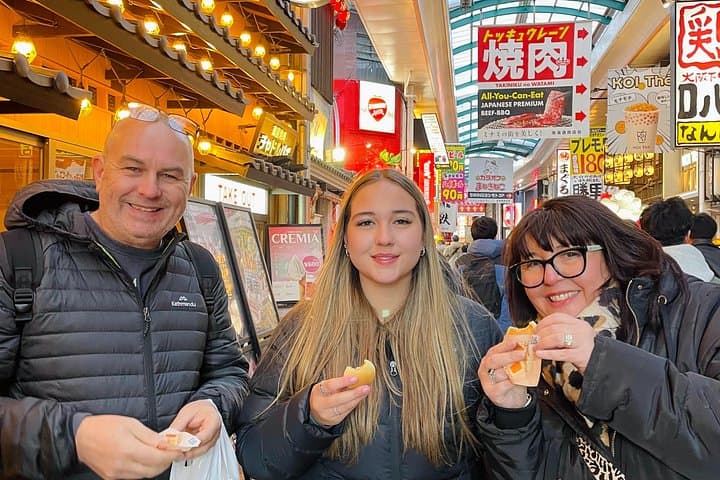
A local guide focuses on non-touristy vendors, tells the Billiken story at Tsutenkaku, and translates menu shorthand so you can order like a resident. Expect 6–10 tastings, one drink, and frequent standing in compact eateries.
Practical notes: the route is mostly flat but busy; wear shoes that can handle city curbs and a few wet pavements. Bring a reusable bottle, cash or IC card for extras, and a lightweight jacket—shops can be cool inside. Avoid peak meal times on weekends if you prefer quieter stops. The city’s energy pushes you forward; the food invites you to pause and taste it properly.
The tour covers roughly 2–4 kilometers across mostly flat urban streets with short periods of standing in eateries; pace is relaxed but continuous.
Tastings total 6–10 small portions and one drink—enough for a hearty lunch if you sample broadly, or plan a light snack later if you’re very hungry.
Yes—contact the operator before booking to discuss allergies or restrictions so the guide can adjust stops or suggest alternatives.
Yes, infants and small children in strollers are generally accommodated, but some alleys and venues have limited space—advise the operator ahead of time.
Cooking Sun operates guided outdoor trips and adventures with an emphasis on safety, stewardship, and memorable experiences.

You step out of Ebisucho Station and the air changes—warm oil, sweet soy, the pep of a city that treats eating like civic duty.
You step out of Ebisucho Station and the air changes—warm oil, sweet soy, the pep of a city that treats eating like civic duty.
This three-hour walking tour threads Shinsekai’s retro lanes, pauses at Tsutenkaku’s base for a sketch of its 1912 origins and postwar rebuild, then moves through depachika counters and the lantern-lit alleys of Hozenji Yokocho before finishing at the glowing Glico sign in Dotonbori.
Geology and history here are urban: landfill-expanded riverbanks, canals that shaped trade routes, and architecture that marks Osaka’s push from Edo-era merchant town to 20th-century industrial hub. The tour’s stops highlight lived-in culture—centuries-old wagashi makers, a historic butcher shop still frying croquettes, and kushikatsu stalls where locals queue shoulder-to-shoulder.
A local guide focuses on non-touristy vendors, tells the Billiken story at Tsutenkaku, and translates menu shorthand so you can order like a resident. Expect 6–10 tastings, one drink, and frequent standing in compact eateries.
Practical notes: the route is mostly flat but busy; wear shoes that can handle city curbs and a few wet pavements. Bring a reusable bottle, cash or IC card for extras, and a lightweight jacket—shops can be cool inside. Avoid peak meal times on weekends if you prefer quieter stops. The city’s energy pushes you forward; the food invites you to pause and taste it properly.