THE ADVENTURE COLLECTIVE® · Independent discovery and booking for outdoor travel

Explore Savannah’s maritime past inside the William Scarbrough House and then unwind in one of the historic district’s largest private gardens. This self-guided tour pairs compact, detailed exhibits with open outdoor paths—ideal for a focused cultural stop on a walking itinerary.
Explore Savannah’s maritime past inside the William Scarbrough House and then unwind in one of the historic district’s largest private gardens. This self-guided tour pairs compact, detailed exhibits with open outdoor paths—ideal for a focused cultural stop on a walking itinerary.
A visitor steps off a shaded brick sidewalk into the cool hush of an 1819 mansion where varnished hulls and rigging models catch light like small ships at sea. The William Scarbrough House holds the Ships of the Sea Maritime Museum; its wood-paneled rooms and high windows frame exhibits that trace Savannah’s working waterfront and the crews who shaped it.
Verified experiences and guided adventures in the surrounding area.
Operated by Ships of the Sea Maritime Museum · Savannah, Georgia
A visitor steps off a shaded brick sidewalk into the cool hush of an 1819 mansion where varnished hulls and rigging models catch light like small ships at sea. The William Scarbrough House holds the Ships of the Sea Maritime Museum; its wood-paneled rooms and high windows frame exhibits that trace Savannah’s working waterfront and the crews who shaped it.
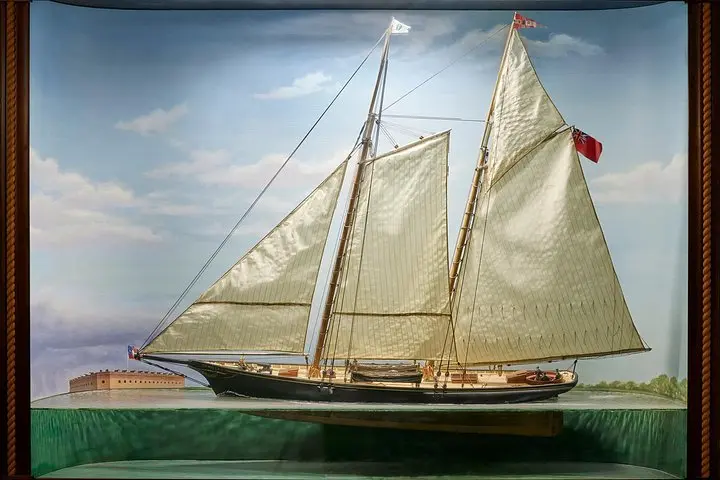
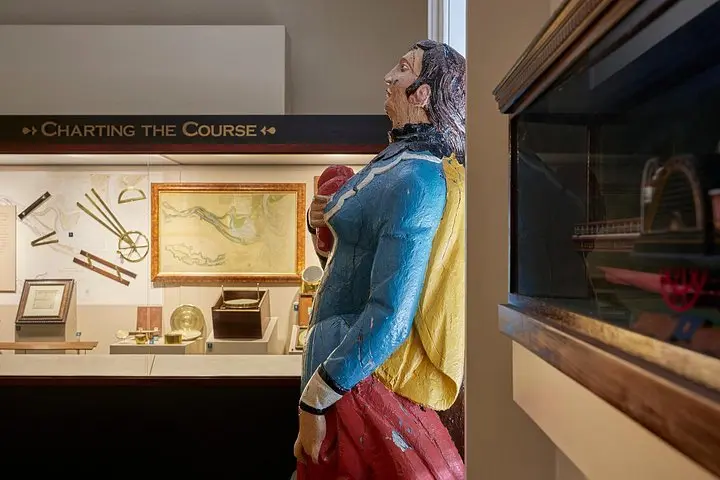
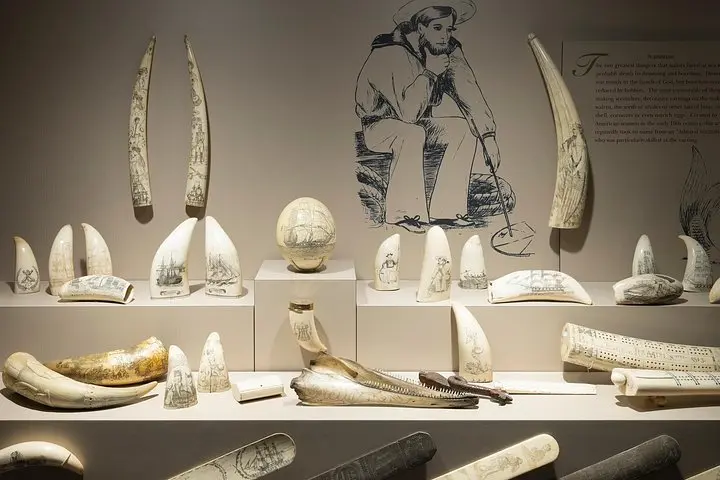
The museum sits in Savannah’s dense historic district, where 19th-century commerce met the Savannah River. Exhibits focus on ship models, navigational tools and paintings that reflect local shipbuilding, coastal trade and the city’s role in Atlantic maritime routes. Geology is subtle here—sandy coastal plains and the river’s tidal pull influenced port placement and the design of coastal craft.
Culturally, the museum connects to Savannah’s layered past: port wealth, maritime labor, and the African American and Gullah-Geechee communities tied to the waterfront. The museum’s gardens—the largest private gardens in the district—offer a calm, green contrast: live oaks, wide lawns and paths that let the river’s presence be felt as a low, constant force.
Practically, plan about an hour for the self-guided tour and another 20–30 minutes for the gardens. The site is compact and stroller- and wheelchair-accessible; audio or docent tours are occasional, so check current schedules. Visit in the morning to avoid hot afternoons and to catch softer light for photos. Bring a refillable bottle, wear comfortable walking shoes for the garden paths, and allow time afterward to walk nearby River Street or the historic squares—this museum is a focused stop that pairs well with a broader walking itinerary in Savannah.
Allocate about 60 minutes for the galleries and 20–30 minutes for the gardens; combine with nearby squares for a half-day outing.
Yes—main galleries and garden routes are accessible; contact the museum for assistance needs or weekend entrance details.
Tickets are self-guided with instant confirmation; cancel at least 24 hours before the visit for a full refund per the ticket policy.
Yes—strollers are permitted and the museum is family-friendly, though supervise children around displays and garden pathways.
Ships of the Sea Maritime Museum operates guided outdoor trips and adventures with an emphasis on safety, stewardship, and memorable experiences.
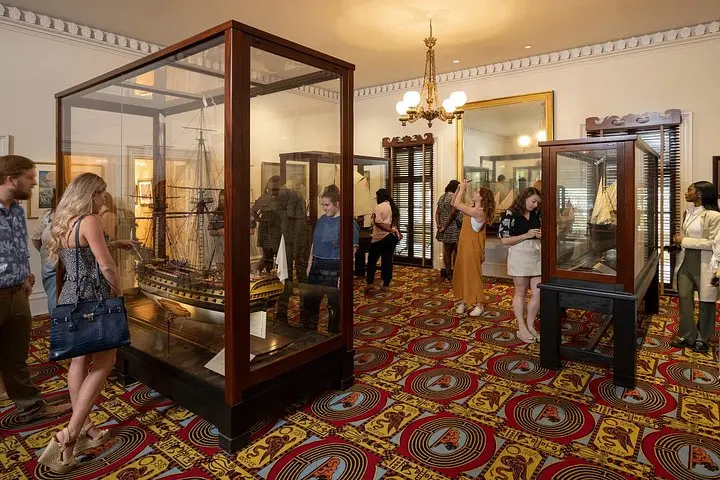
A visitor steps off a shaded brick sidewalk into the cool hush of an 1819 mansion where varnished hulls and rigging models catch light like small ships at sea. The William Scarbrough House holds the Ships of the Sea Maritime Museum; its wood-paneled rooms and high windows frame exhibits that trace Savannah’s working waterfront and the crews who shaped it.
A visitor steps off a shaded brick sidewalk into the cool hush of an 1819 mansion where varnished hulls and rigging models catch light like small ships at sea. The William Scarbrough House holds the Ships of the Sea Maritime Museum; its wood-paneled rooms and high windows frame exhibits that trace Savannah’s working waterfront and the crews who shaped it.
The museum sits in Savannah’s dense historic district, where 19th-century commerce met the Savannah River. Exhibits focus on ship models, navigational tools and paintings that reflect local shipbuilding, coastal trade and the city’s role in Atlantic maritime routes. Geology is subtle here—sandy coastal plains and the river’s tidal pull influenced port placement and the design of coastal craft.
Culturally, the museum connects to Savannah’s layered past: port wealth, maritime labor, and the African American and Gullah-Geechee communities tied to the waterfront. The museum’s gardens—the largest private gardens in the district—offer a calm, green contrast: live oaks, wide lawns and paths that let the river’s presence be felt as a low, constant force.
Practically, plan about an hour for the self-guided tour and another 20–30 minutes for the gardens. The site is compact and stroller- and wheelchair-accessible; audio or docent tours are occasional, so check current schedules. Visit in the morning to avoid hot afternoons and to catch softer light for photos. Bring a refillable bottle, wear comfortable walking shoes for the garden paths, and allow time afterward to walk nearby River Street or the historic squares—this museum is a focused stop that pairs well with a broader walking itinerary in Savannah.