THE ADVENTURE COLLECTIVE® · Independent discovery and booking for outdoor travel

Start at the Shira Plateau and finish at Uhuru Peak on this private 5–6 day ascent of Mount Kilimanjaro. The route trades crowds for a higher starting elevation — faster exposure to altitude, spectacular geology, and quiet camps.
Start at the Shira Plateau and finish at Uhuru Peak on this private 5–6 day ascent of Mount Kilimanjaro. The route trades crowds for a higher starting elevation — faster exposure to altitude, spectacular geology, and quiet camps.
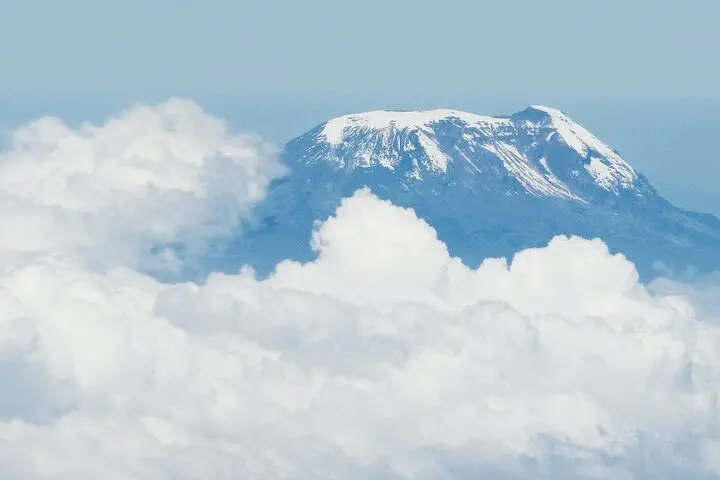
The first light on Kilimanjaro here is not polite — it arrives blunt and cold over a black rim of rock and snow, then pours across the Shira Plateau until the moorland heaves into relief. On day one you climb out of the rainforest, boots sucking at muddy trails, through a green that smells of loam and wet moss; by day two you are on arid, wind-whipped slopes where the volcano seems to push the sky away.
Verified experiences and guided adventures in the surrounding area.
Operated by Hillborn Organic Coffee · Moshi, Kilimanjaro Region
The first light on Kilimanjaro here is not polite — it arrives blunt and cold over a black rim of rock and snow, then pours across the Shira Plateau until the moorland heaves into relief. On day one you climb out of the rainforest, boots sucking at muddy trails, through a green that smells of loam and wet moss; by day two you are on arid, wind-whipped slopes where the volcano seems to push the sky away.
The Shira Route follows an older flank of Kilimanjaro and opens quick vistas of the mountain’s layered geology: ancient basalt flows beneath softer ash and the newer trachyte that forms Kibo’s cone. The massif is a stratovolcano built in stages; the plateau where you begin is an eroded remnant of an older eruption, wide and exposed, an appropriate prelude to the crampon-ready summit you will attempt from Barafu Camp.
This mountain is as much cultural landscape as geological feature. The Chagga people have long farmed the lower slopes; Moshi, the town at the trailhead, grew around coffee and trade routes that threaded the mountain’s base. Modern climbs are regulated through Kilimanjaro National Park — fees fund rangers, trail maintenance and community projects — but the human footprint also shows in the porters and guides whose skill makes summit day possible.
Practically speaking, the Shira Route is efficient and quiet: it starts high (about 3,600m) and joins the Lemosho/Machame paths, moving via Lava Tower and over the Barranco Wall before the final push from Barafu to Uhuru Peak (5,895m). That high starting elevation accelerates acclimatization risk; treat each afternoon like a deliberate step toward the summit rather than a day to push distance.
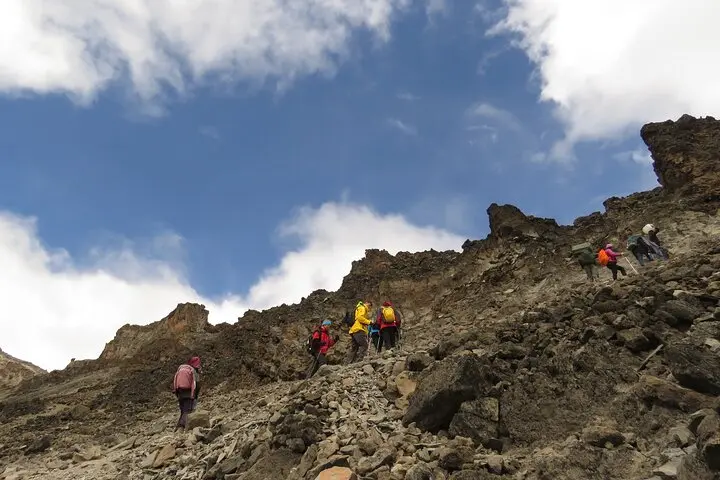
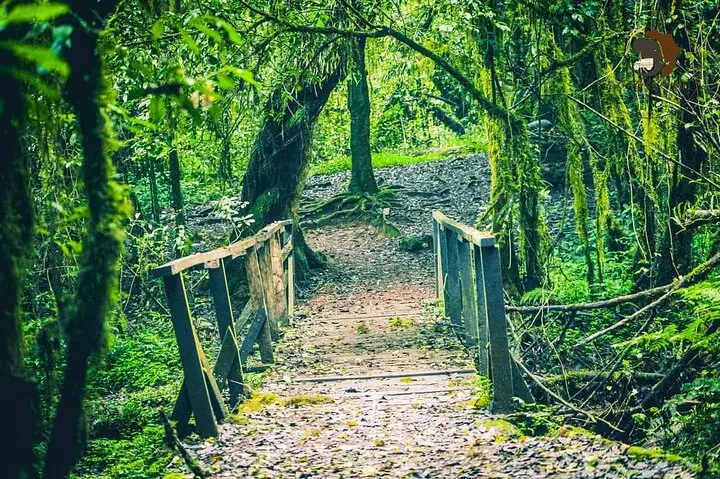
Expect a rhythm of habitats: montane rainforest (mud and roots), heath and moorland (peat bogs and giant heather), alpine desert (scree fields), and the stony summit zone. Water is carried and treated — keep a lightweight filter or purification tablets and drink frequently at altitude. Layers win here: high noon can be T-shirt warmth on the plateau, while pre-dawn summit starts require an insulated shell and down-ready gloves.
Logistics: this is a private, guided 5–6 day itinerary with included meals, guides and porter support; transport from Moshi to the trailhead takes roughly three hours. Permits and park fees are handled with your operator; be conservative about summit-night pacing and heed your guide on symptoms of acute altitude sickness. Gaiters, trekking poles and a headlamp are practical trifles that repay themselves in comfort and safety.
If you want exposure to high mountain terrain on a less trafficked line and you’re honest about altitude risk, the Shira Route is an efficient, dramatic climb — a climb that asks patience, respect for thin air, and a readiness to be transformed by a sunrise on Africa’s rooftop.
Shira is similar to Lemosho but starts higher, so it gives less time to acclimatize; physically it's demanding due to altitude rather than technical difficulty.
Recommended. While technical climbing skills are not required, prior multi-day trekking and altitude exposure improve your odds of summiting safely.
Most operators include park permits and fees; confirm with your provider — this itinerary lists fees, guides and porter salaries in inclusions.
High if you ascend too quickly. Symptoms can occur even on day one with a high start; communicate with guides and descend immediately if severe symptoms appear.
This listing is a private tour — group size is whatever you book; porter-to-client ratios and guide numbers vary by operator and should be clarified before booking.
Dry windows (typically late June–October and late December–February) offer more stable weather and clearer summit views, though climbs are possible year-round.
Hillborn Organic Coffee operates guided outdoor trips and adventures with an emphasis on safety, stewardship, and memorable experiences.
The first light on Kilimanjaro here is not polite — it arrives blunt and cold over a black rim of rock and snow, then pours across the Shira Plateau until the moorland heaves into relief. On day one you climb out of the rainforest, boots sucking at muddy trails, through a green that smells of loam and wet moss; by day two you are on arid, wind-whipped slopes where the volcano seems to push the sky away.
The first light on Kilimanjaro here is not polite — it arrives blunt and cold over a black rim of rock and snow, then pours across the Shira Plateau until the moorland heaves into relief. On day one you climb out of the rainforest, boots sucking at muddy trails, through a green that smells of loam and wet moss; by day two you are on arid, wind-whipped slopes where the volcano seems to push the sky away.
The Shira Route follows an older flank of Kilimanjaro and opens quick vistas of the mountain’s layered geology: ancient basalt flows beneath softer ash and the newer trachyte that forms Kibo’s cone. The massif is a stratovolcano built in stages; the plateau where you begin is an eroded remnant of an older eruption, wide and exposed, an appropriate prelude to the crampon-ready summit you will attempt from Barafu Camp.
This mountain is as much cultural landscape as geological feature. The Chagga people have long farmed the lower slopes; Moshi, the town at the trailhead, grew around coffee and trade routes that threaded the mountain’s base. Modern climbs are regulated through Kilimanjaro National Park — fees fund rangers, trail maintenance and community projects — but the human footprint also shows in the porters and guides whose skill makes summit day possible.
Practically speaking, the Shira Route is efficient and quiet: it starts high (about 3,600m) and joins the Lemosho/Machame paths, moving via Lava Tower and over the Barranco Wall before the final push from Barafu to Uhuru Peak (5,895m). That high starting elevation accelerates acclimatization risk; treat each afternoon like a deliberate step toward the summit rather than a day to push distance.
Expect a rhythm of habitats: montane rainforest (mud and roots), heath and moorland (peat bogs and giant heather), alpine desert (scree fields), and the stony summit zone. Water is carried and treated — keep a lightweight filter or purification tablets and drink frequently at altitude. Layers win here: high noon can be T-shirt warmth on the plateau, while pre-dawn summit starts require an insulated shell and down-ready gloves.
Logistics: this is a private, guided 5–6 day itinerary with included meals, guides and porter support; transport from Moshi to the trailhead takes roughly three hours. Permits and park fees are handled with your operator; be conservative about summit-night pacing and heed your guide on symptoms of acute altitude sickness. Gaiters, trekking poles and a headlamp are practical trifles that repay themselves in comfort and safety.
If you want exposure to high mountain terrain on a less trafficked line and you’re honest about altitude risk, the Shira Route is an efficient, dramatic climb — a climb that asks patience, respect for thin air, and a readiness to be transformed by a sunrise on Africa’s rooftop.