THE ADVENTURE COLLECTIVE® · Independent discovery and booking for outdoor travel

A private 6‑hour taxi circuit that pairs the airy veils of Shiraito Falls with the ancient Sengen Taisha shrine and the interpretive Mt. Fuji World Heritage Centre — ideal for travelers who want focused time at each site without a formal guide.
A private 6‑hour taxi circuit that pairs the airy veils of Shiraito Falls with the ancient Sengen Taisha shrine and the interpretive Mt. Fuji World Heritage Centre — ideal for travelers who want focused time at each site without a formal guide.
You arrive at a roadside framed by cedar trunks and the soft hiss of water long before you see it: Shiraito Falls pours like countless silver threads across a mossy cliff, the spray cooling your face and the air thick with mineral-sweet ozone.
Verified experiences and guided adventures in the surrounding area.
Operated by Shizuoka TaaS Travel · Fujinomiya, Shizuoka
You arrive at a roadside framed by cedar trunks and the soft hiss of water long before you see it: Shiraito Falls pours like countless silver threads across a mossy cliff, the spray cooling your face and the air thick with mineral-sweet ozone.
This six‑hour private taxi loop connects three different ways of reading Mt. Fuji — geological, cultural and culinary. Shiraito Falls is a wide ribbon waterfall formed by spring-fed streams and ancient lava flows; its steady sheet of water was prized by pilgrims who practiced ascetic rites along its banks. A short drive brings you to Mt. Fuji Hongu Sengen Taisha, the head shrine for hundreds of Sengen shrines, rebuilt in the Tokugawa era and centered on reverence for Fuji as both mountain and deity. The Mt. Fuji World Heritage Centre translates those themes into exhibits and a simulated climb that gives context to the mountain’s geology and sacred status; on clear days the top floor opens a clean, framed view of Fuji’s cone.
Expect a mix of light walking, stairs at the shrine and museum ramps — nothing technical, but bring footwear that grips wet paths near the falls. Time your visit for morning or late afternoon light for softer photographs and fewer crowds. Pause afterwards in Omiya Yokocho for Fujinomiya yakisoba, a chewy noodle specialty that feels like recovery fuel.
Practical notes: this is a private, driver‑assisted self‑guided experience; bring a translation app if you want conversation with the driver, carry water, and leave no trace at the shrine and waterfall.
Admission is not included in the basic transport package; check the centre’s ticketing on their website or at the entrance.
Both sites require only short, mostly easy walks; there are stairs and uneven ground at the falls and shrine approach.
Yes — the itinerary notes stroller accessibility at some points, though paths near the falls can be narrow and damp.
No — drivers use a translation app for basic support, but carrying a translation app yourself improves communication and flexibility.
Shizuoka TaaS Travel operates guided outdoor trips and adventures with an emphasis on safety, stewardship, and memorable experiences.
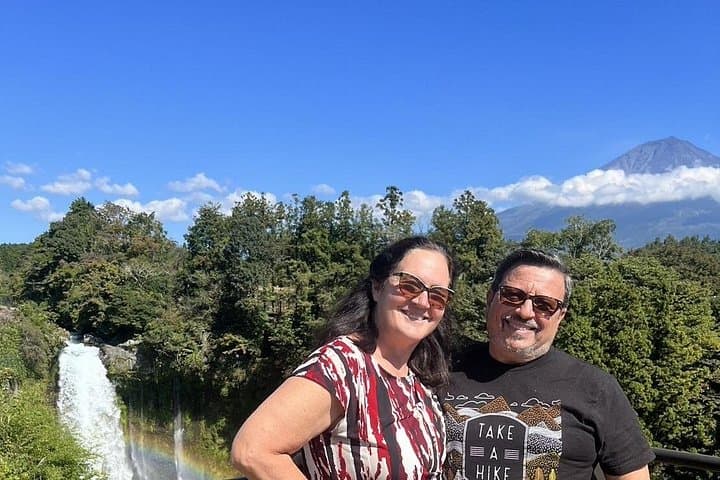
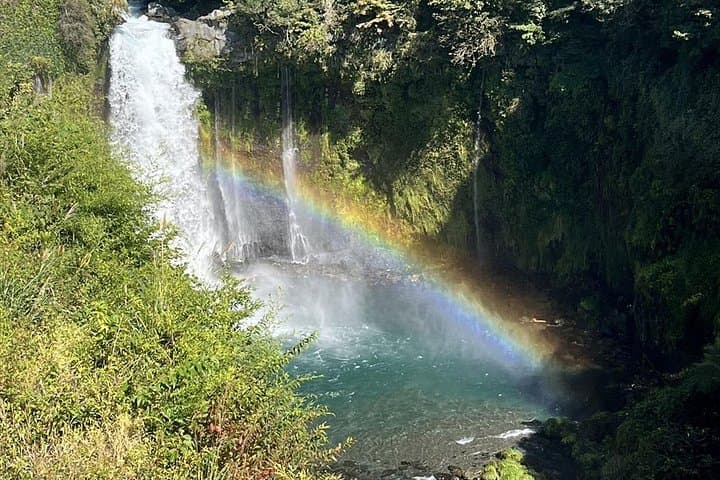
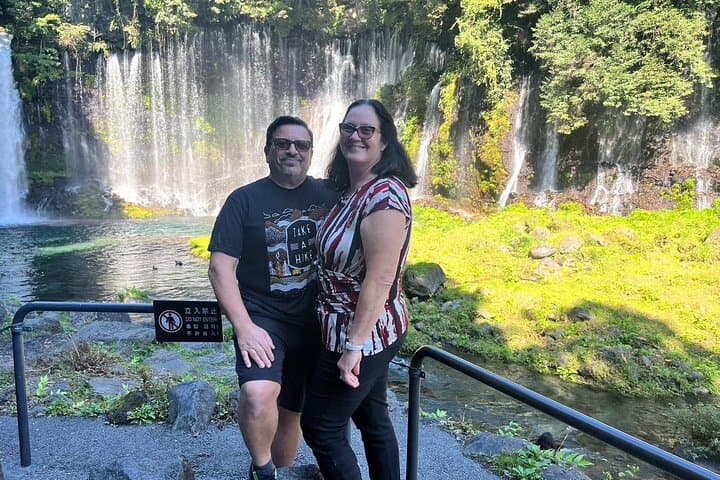
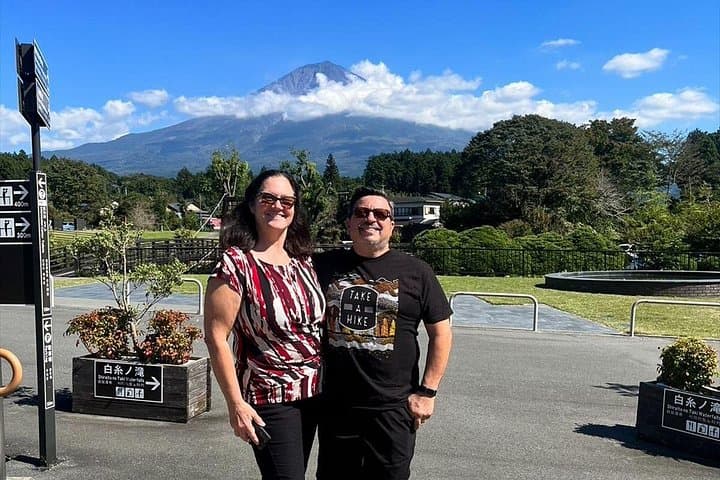
You arrive at a roadside framed by cedar trunks and the soft hiss of water long before you see it: Shiraito Falls pours like countless silver threads across a mossy cliff, the spray cooling your face and the air thick with mineral-sweet ozone.
You arrive at a roadside framed by cedar trunks and the soft hiss of water long before you see it: Shiraito Falls pours like countless silver threads across a mossy cliff, the spray cooling your face and the air thick with mineral-sweet ozone.
This six‑hour private taxi loop connects three different ways of reading Mt. Fuji — geological, cultural and culinary. Shiraito Falls is a wide ribbon waterfall formed by spring-fed streams and ancient lava flows; its steady sheet of water was prized by pilgrims who practiced ascetic rites along its banks. A short drive brings you to Mt. Fuji Hongu Sengen Taisha, the head shrine for hundreds of Sengen shrines, rebuilt in the Tokugawa era and centered on reverence for Fuji as both mountain and deity. The Mt. Fuji World Heritage Centre translates those themes into exhibits and a simulated climb that gives context to the mountain’s geology and sacred status; on clear days the top floor opens a clean, framed view of Fuji’s cone.
Expect a mix of light walking, stairs at the shrine and museum ramps — nothing technical, but bring footwear that grips wet paths near the falls. Time your visit for morning or late afternoon light for softer photographs and fewer crowds. Pause afterwards in Omiya Yokocho for Fujinomiya yakisoba, a chewy noodle specialty that feels like recovery fuel.
Practical notes: this is a private, driver‑assisted self‑guided experience; bring a translation app if you want conversation with the driver, carry water, and leave no trace at the shrine and waterfall.