
Shirakawago and Takayama: 2-Day Cultural Tour from Nagoya
A two-day route from Nagoya that pairs Shirakawa-go’s centuries-old gassho-zukuri farmhouses with Takayama’s Edo-period streets. Expect engineered snowfall, local sake, and train-plus-bus logistics that reward early starts and layered clothing.
An Adventure In Takayama.
A two-day route from Nagoya that pairs Shirakawa-go’s centuries-old gassho-zukuri farmhouses with Takayama’s Edo-period streets. Expect engineered snowfall, local sake, and train-plus-bus logistics that reward early starts and layered clothing.
Read the full experience
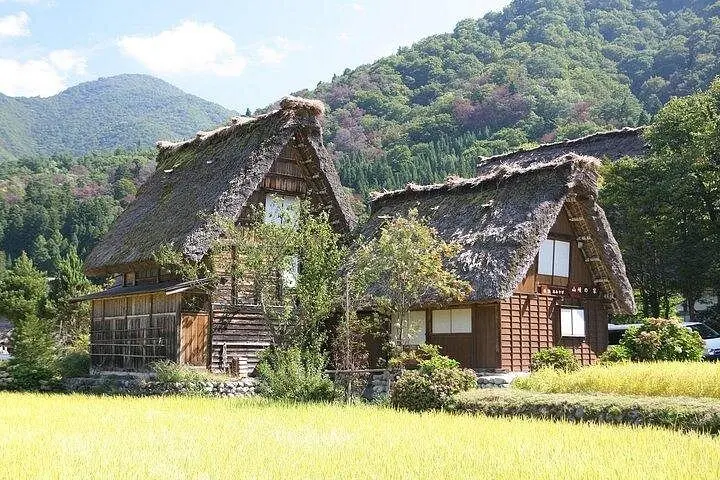
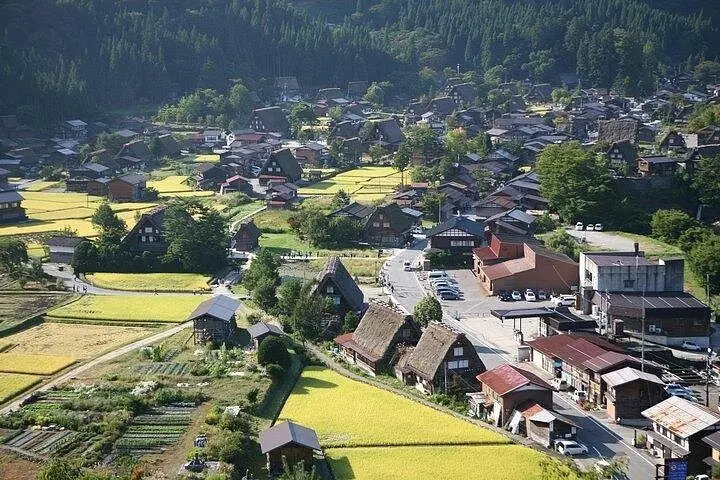
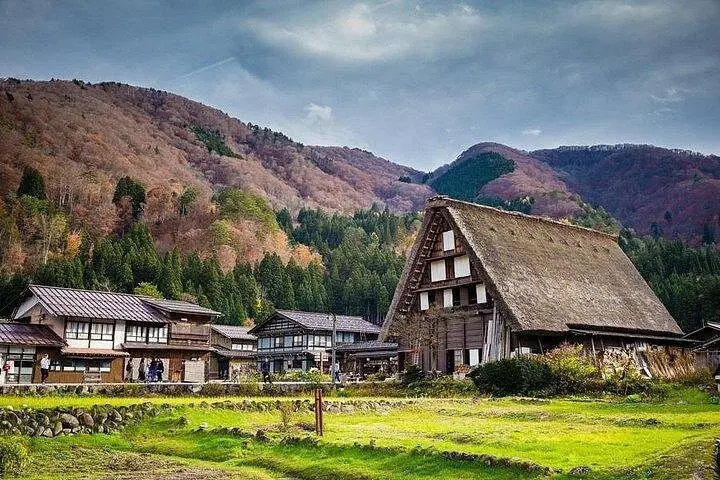
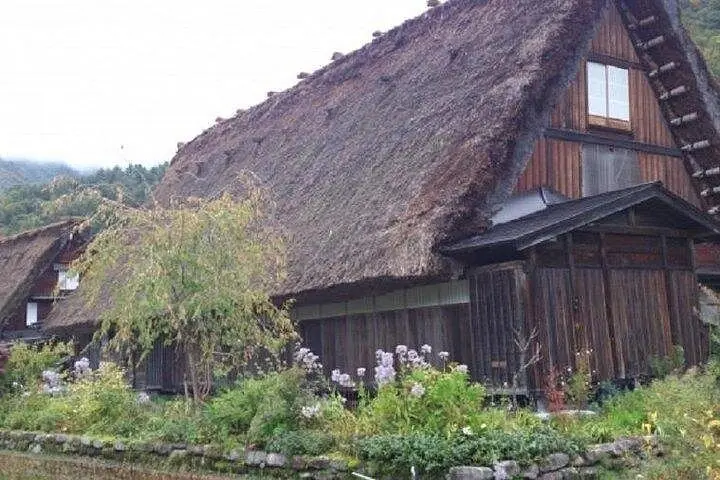
You step off the train in a mountain town where slate roofs give way to steep thatch and a silence shaped by centuries of snow. The Shogawa River threads the valley below as Shirakawa-go’s gassho-zukuri houses lean into the wind like hands pressed in prayer — roofs engineered to shrug off winter’s weight and to cradle lofts once used for silkworms.
You step off the train in a mountain town where slate roofs give way to steep thatch and a silence shaped by centuries of snow. The Shogawa River threads the valley below as Shirakawa-go’s gassho-zukuri houses lean into the wind like hands pressed in prayer — roofs engineered to shrug off winter’s weight and to cradle lofts once used for silkworms.
The next day the lane-strewn streets of Takayama unspool before you: Edo-period merchants’ facades, wooden sake breweries, and a morning market where vendors trade mountain vegetables and pickled plums. Both places sit in the foothills of the Northern Japan Alps; the heavy snowfall and steep slopes here are products of orographic lift from the Sea of Japan and centuries of local building ingenuity.
Expect living villages rather than museum pieces — many houses are private homes or working workshops — and a UNESCO designation (1995) that protects traditional techniques and patterns of life. Culture here is tactile: join a sake tasting, watch roof repair demonstrations, or slow down on Mimachi-dori to read old carved signs.
Practical guidance: travel between Nagoya, Takayama and Shirakawa-go is by scheduled train and bus, so plan connections and arrive early at bus terminals. Wear sturdy shoes for cobbled streets, carry cash for small shops, and layer for sudden mountain weather. Time morning light in Shirakawa-go for the best photos and treat the village with quiet respect — you are walking through people’s daily lives, not a set piece.
Frequently asked questions
Regular JR and private trains run from Nagoya to Takayama; journeys take about 2.5–3 hours and require advance seat reservations during peak seasons.
Yes — it’s open year-round, but expect heavy snow; some bus services operate on winter schedules and roads can be slower, so allow extra transit time.
No — public transport and signage allow independent visits, but a guide adds historical context, easier transfers, and time-efficient routing between highlights.
Some houses operate as museums or cafes with paid admission; many are private—follow posted access rules and purchase tickets where required.
About This Experience
H.I.S.Co., Ltd. operates guided outdoor trips and adventures with an emphasis on safety, stewardship, and memorable experiences.
Adventure tips
Recommended gear
- Sturdy walking shoes: Provides grip on cobbles and wet wooden paths in village centers.
- Layered clothing: Mountain weather shifts quickly; layers keep you comfortable from dawn chill to midday sun.
- Small cash (¥): Useful for market purchases, small museums, and local vendors that may not accept cards.
- Portable charger: Long travel days and photo use drain phones—bring power to stay connected and keep transit tickets accessible.
Photos of the experience
Related adventures & guides
Read the full experience
You step off the train in a mountain town where slate roofs give way to steep thatch and a silence shaped by centuries of snow. The Shogawa River threads the valley below as Shirakawa-go’s gassho-zukuri houses lean into the wind like hands pressed in prayer — roofs engineered to shrug off winter’s weight and to cradle lofts once used for silkworms.
You step off the train in a mountain town where slate roofs give way to steep thatch and a silence shaped by centuries of snow. The Shogawa River threads the valley below as Shirakawa-go’s gassho-zukuri houses lean into the wind like hands pressed in prayer — roofs engineered to shrug off winter’s weight and to cradle lofts once used for silkworms.
The next day the lane-strewn streets of Takayama unspool before you: Edo-period merchants’ facades, wooden sake breweries, and a morning market where vendors trade mountain vegetables and pickled plums. Both places sit in the foothills of the Northern Japan Alps; the heavy snowfall and steep slopes here are products of orographic lift from the Sea of Japan and centuries of local building ingenuity.
Expect living villages rather than museum pieces — many houses are private homes or working workshops — and a UNESCO designation (1995) that protects traditional techniques and patterns of life. Culture here is tactile: join a sake tasting, watch roof repair demonstrations, or slow down on Mimachi-dori to read old carved signs.
Practical guidance: travel between Nagoya, Takayama and Shirakawa-go is by scheduled train and bus, so plan connections and arrive early at bus terminals. Wear sturdy shoes for cobbled streets, carry cash for small shops, and layer for sudden mountain weather. Time morning light in Shirakawa-go for the best photos and treat the village with quiet respect — you are walking through people’s daily lives, not a set piece.
Make a day of it nearby.
Verified experiences and guided adventures in the surrounding area.