THE ADVENTURE COLLECTIVE® · Independent discovery and booking for outdoor travel

Spend a day walking through Yakushima’s moss-draped Shiratani Unsuikyo forest to Taikoiwa rock. This guided 4–5 hour hike combines ancient Yakusugi cedars, volcanic landscapes, and a panoramic view of Mt. Miyanoura.
Spend a day walking through Yakushima’s moss-draped Shiratani Unsuikyo forest to Taikoiwa rock. This guided 4–5 hour hike combines ancient Yakusugi cedars, volcanic landscapes, and a panoramic view of Mt. Miyanoura.
You step off the shuttle into a green hush—moss clings to every rock and limb, raindrops hang from cedar boughs like slow pearls. The English-speaking guide checks boots, points the route, and the trail immediately narrows into a primeval corridor. Footsteps crunch on a root-strewn path as the forest leans in; after steady climbing, Taikoiwa rock opens a wide, wind-cut panorama of Mt. Miyanoura that makes the climb feel earned.
Verified experiences and guided adventures in the surrounding area.
Operated by H.I.S.Co., Ltd. · Miyanoura, Kagoshima
You step off the shuttle into a green hush—moss clings to every rock and limb, raindrops hang from cedar boughs like slow pearls. The English-speaking guide checks boots, points the route, and the trail immediately narrows into a primeval corridor. Footsteps crunch on a root-strewn path as the forest leans in; after steady climbing, Taikoiwa rock opens a wide, wind-cut panorama of Mt. Miyanoura that makes the climb feel earned.
Shiratani Unsuikyo is part of Yakushima’s ancient forest ecosystem, famous for Yakusugi cedars—some over a thousand years old—and for dense moss fields that developed on volcanic soil and steep rainfall. The island’s volcanic geology and persistent precipitation created the conditions for slow-growing, gnarled trees and deep ravines; the area is protected as part of a UNESCO World Heritage site.
Practically, expect 4–5 hours round trip with sustained uphill sections, rooty, sometimes slippery terrain, and narrow viewpoints. Guides handle route-finding and interpret cultural and ecological notes, but a high level of fitness is required for the continuous ascent to Taikoiwa. Weather on Yakushima changes fast: rain gear and waterproof footwear are essential; trails are occasionally closed after heavy rains or winter snow.
Bring a 15–25L pack, 1L+ water, high-energy snacks, and layers. Start early to avoid afternoon showers and to give yourself time at the viewpoint. This is a disciplined nature walk—intimate, relentless, and deeply rewarding for those ready to meet the island on its own terms.
The route includes continuous uphill sections over roots and rocks; it’s rated challenging and requires a high level of fitness rather than technical climbing skills.
The tour lists shuttle service and a boxed lunch as included, but confirm pickup point and dietary needs when booking.
No—tours can be canceled for heavy rain, flooding, or winter road closures; operators will notify you in such cases.
This specific product includes an English-speaking guide, useful for route guidance, local history, and safety on the trail.
H.I.S.Co., Ltd. operates guided outdoor trips and adventures with an emphasis on safety, stewardship, and memorable experiences.
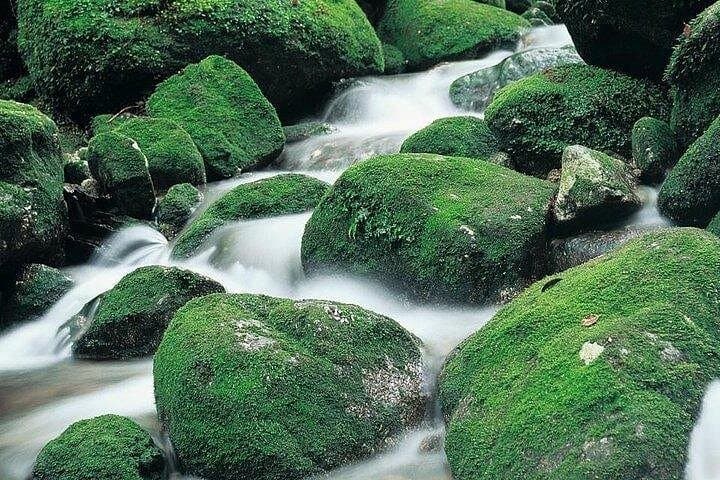


You step off the shuttle into a green hush—moss clings to every rock and limb, raindrops hang from cedar boughs like slow pearls. The English-speaking guide checks boots, points the route, and the trail immediately narrows into a primeval corridor. Footsteps crunch on a root-strewn path as the forest leans in; after steady climbing, Taikoiwa rock opens a wide, wind-cut panorama of Mt. Miyanoura that makes the climb feel earned.
You step off the shuttle into a green hush—moss clings to every rock and limb, raindrops hang from cedar boughs like slow pearls. The English-speaking guide checks boots, points the route, and the trail immediately narrows into a primeval corridor. Footsteps crunch on a root-strewn path as the forest leans in; after steady climbing, Taikoiwa rock opens a wide, wind-cut panorama of Mt. Miyanoura that makes the climb feel earned.
Shiratani Unsuikyo is part of Yakushima’s ancient forest ecosystem, famous for Yakusugi cedars—some over a thousand years old—and for dense moss fields that developed on volcanic soil and steep rainfall. The island’s volcanic geology and persistent precipitation created the conditions for slow-growing, gnarled trees and deep ravines; the area is protected as part of a UNESCO World Heritage site.
Practically, expect 4–5 hours round trip with sustained uphill sections, rooty, sometimes slippery terrain, and narrow viewpoints. Guides handle route-finding and interpret cultural and ecological notes, but a high level of fitness is required for the continuous ascent to Taikoiwa. Weather on Yakushima changes fast: rain gear and waterproof footwear are essential; trails are occasionally closed after heavy rains or winter snow.
Bring a 15–25L pack, 1L+ water, high-energy snacks, and layers. Start early to avoid afternoon showers and to give yourself time at the viewpoint. This is a disciplined nature walk—intimate, relentless, and deeply rewarding for those ready to meet the island on its own terms.