THE ADVENTURE COLLECTIVE® · Independent discovery and booking for outdoor travel

Walk through the moss-draped forest of Shiratani-Unsuikyo on Yakushima Island, where ancient cedars, volcanic valleys and persistent rain create a temperate rainforest that inspired Japan’s cinematic imagination. Choose a 3–7 hour guided route for either a gentle loop or a full-day climb to Taiko-Iwa rock.
Walk through the moss-draped forest of Shiratani-Unsuikyo on Yakushima Island, where ancient cedars, volcanic valleys and persistent rain create a temperate rainforest that inspired Japan’s cinematic imagination. Choose a 3–7 hour guided route for either a gentle loop or a full-day climb to Taiko-Iwa rock.
You step off the coastal road and into a green hush: trunks thick with moss, roots webbing the trail like an old rope ladder, and a soft, damp air that seems to slow your breath. The forest here on Yakushima’s Shiratani-Unsuikyo is not merely scenery; it moves around you, with streams daring you to follow them and boulders wearing coats of lichen.
Verified experiences and guided adventures in the surrounding area.
Operated by Beauty of Japan · Yakushima, Kagoshima Prefecture
You step off the coastal road and into a green hush: trunks thick with moss, roots webbing the trail like an old rope ladder, and a soft, damp air that seems to slow your breath. The forest here on Yakushima’s Shiratani-Unsuikyo is not merely scenery; it moves around you, with streams daring you to follow them and boulders wearing coats of lichen.
Geology and history are visible at a glance — ancient volcanic rock softened by millennia of rain, and straight-backed yakusugi cedars that predate written records. The island’s dense rainfall and warm currents created a temperate rainforest ecosystem that inspired Japanese animators and naturalists alike; Shiratani-Unsuikyo sits inside the island’s UNESCO-protected area and shows why the place shaped local culture and reverence for old-growth trees.
On guided walks of three to seven hours you’ll choose an easy loop or a day route that climbs toward Taiko-Iwa rock for a valley panorama. Expect uneven, often wet terrain, wooden bridges and boardwalks in sections, and the chance of standing in mist where the view disappears into white. Guides keep group sizes small and pace steady, so bring a waterproof layer, sturdy boots and the patience for slow beauty.
Practical tips: start early to avoid afternoon showers, pack a lunch provided on most tours, and respect fragile moss by staying on marked paths. Whether you want a short forest immersion or a full-day ascent, Shiratani-Unsuikyo delivers a tactile, quiet kind of wilderness that rewards close attention.
Options range from easy 3-hour loops to full-day 6–7 hour hikes with some sustained climbs; most people with moderate fitness can complete the standard routes.
Guides provide interpretation, route choice and safety in changing weather; independent hiking is possible but a guide is recommended for first-time visitors and to access less crowded detours.
Shiratani-Unsuikyo’s mossy forests and ancient cedars are widely cited as an inspiration for the film’s visuals, though the island’s landscapes contributed broadly to that creative influence.
Most visitors reach Yakushima by ferry or plane to Miyanoura or Anbō and then take local buses or arrange pickup—public transport options are available near the trail access points.
Beauty of Japan operates guided outdoor trips and adventures with an emphasis on safety, stewardship, and memorable experiences.
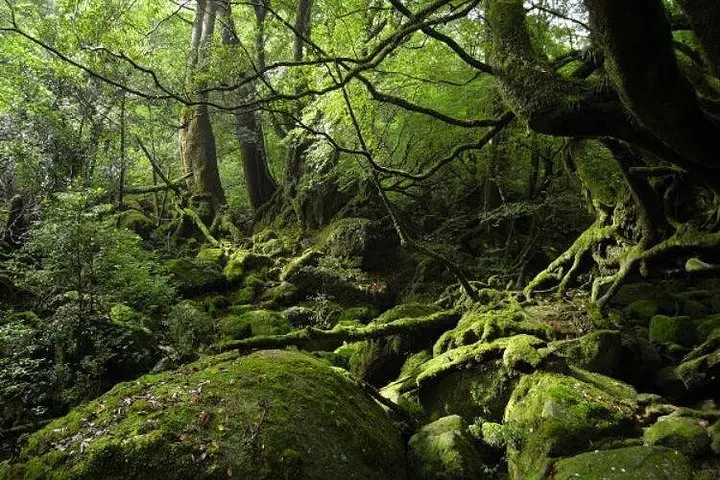
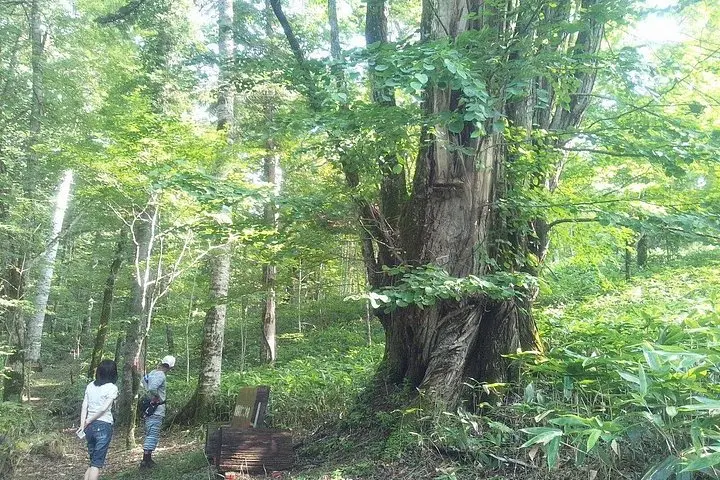
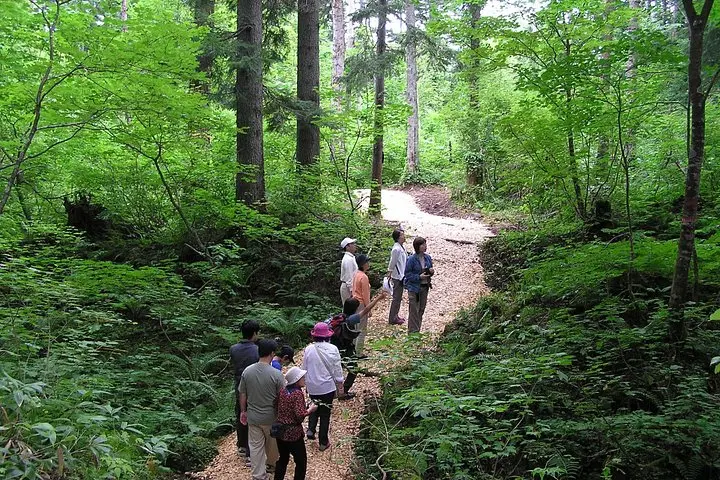
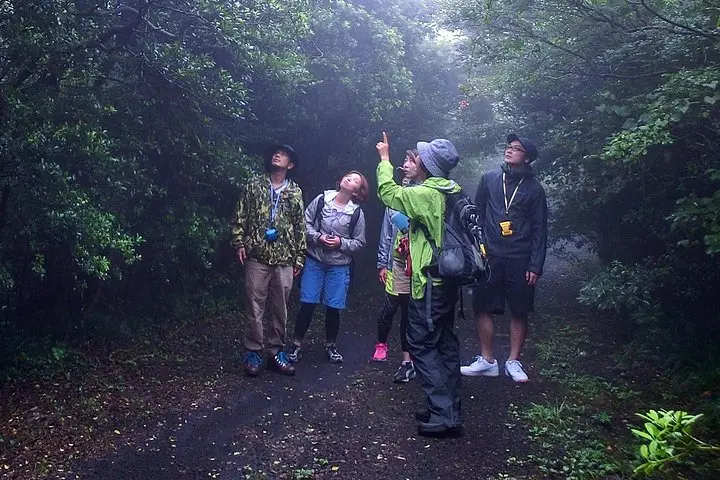
You step off the coastal road and into a green hush: trunks thick with moss, roots webbing the trail like an old rope ladder, and a soft, damp air that seems to slow your breath. The forest here on Yakushima’s Shiratani-Unsuikyo is not merely scenery; it moves around you, with streams daring you to follow them and boulders wearing coats of lichen.
You step off the coastal road and into a green hush: trunks thick with moss, roots webbing the trail like an old rope ladder, and a soft, damp air that seems to slow your breath. The forest here on Yakushima’s Shiratani-Unsuikyo is not merely scenery; it moves around you, with streams daring you to follow them and boulders wearing coats of lichen.
Geology and history are visible at a glance — ancient volcanic rock softened by millennia of rain, and straight-backed yakusugi cedars that predate written records. The island’s dense rainfall and warm currents created a temperate rainforest ecosystem that inspired Japanese animators and naturalists alike; Shiratani-Unsuikyo sits inside the island’s UNESCO-protected area and shows why the place shaped local culture and reverence for old-growth trees.
On guided walks of three to seven hours you’ll choose an easy loop or a day route that climbs toward Taiko-Iwa rock for a valley panorama. Expect uneven, often wet terrain, wooden bridges and boardwalks in sections, and the chance of standing in mist where the view disappears into white. Guides keep group sizes small and pace steady, so bring a waterproof layer, sturdy boots and the patience for slow beauty.
Practical tips: start early to avoid afternoon showers, pack a lunch provided on most tours, and respect fragile moss by staying on marked paths. Whether you want a short forest immersion or a full-day ascent, Shiratani-Unsuikyo delivers a tactile, quiet kind of wilderness that rewards close attention.