THE ADVENTURE COLLECTIVE® · Independent discovery and booking for outdoor travel

Glide through Harima’s quiet lanes on an electric bike, visit ancient shrines tied to sake’s history, and finish with a brewery lunch that explains fermentation with flavor. This five- to six-hour cultural cycle pairs easy riding with deep local knowledge.
Glide through Harima’s quiet lanes on an electric bike, visit ancient shrines tied to sake’s history, and finish with a brewery lunch that explains fermentation with flavor. This five- to six-hour cultural cycle pairs easy riding with deep local knowledge.
Morning light breaks over terraced rice paddies as riders mount electric bicycles and push off down a quiet country lane. The road narrows, cedar and cypress reforest the hillsides, and signs of Harima Province’s brewing past—stone lanterns, shrine gates—appear between fields. Over five to six hours this tour threads cultural sites and shallow valleys, finishing with a sake-brewery lunch that explains fermentation the way a guide explains a map.
Verified experiences and guided adventures in the surrounding area.
Morning light breaks over terraced rice paddies as riders mount electric bicycles and push off down a quiet country lane. The road narrows, cedar and cypress reforest the hillsides, and signs of Harima Province’s brewing past—stone lanterns, shrine gates—appear between fields. Over five to six hours this tour threads cultural sites and shallow valleys, finishing with a sake-brewery lunch that explains fermentation the way a guide explains a map.
Harima's role in early sake history shows up at Ichinomiya and Iwa Shrines: records and rituals tie rice, water, and local priests to brewing techniques used for centuries. Geologically, the region is a gentle mix of low mountains and alluvial plains—ideal for rice cultivation and for quiet country roads that make e-biking relaxed but engaging. Culturally, small shrines and village breweries preserve local recipes and seasonal festivals; expect unhurried hospitality and explanations of koji, yeast, and barrel aging.
Practical guidance: riders cover mostly paved rural roads with occasional short climbs; electric assist smooths gradients but basic bike handling helps. Wear closed shoes and layered clothing—spring and autumn are cool, summer can be humid, and rain is possible. Bring a charged phone and small cash for shrine offerings or extra tastings. Helmets are provided, but a well-fitted helmet matters. The pace is conversational: stops at Niwata Shrine and Ichinomiya, a relaxed brewery tour, and a locally sourced fermented-lunch set. This is a cultural ride as much as a short cycling day—expect storytelling, sensory tastings, and countryside that modestly invites exploration.
The tour runs about 5–6 hours at a relaxed pace with multiple stops for shrines, photo opportunities, and a brewery lunch.
Yes—helmets and electric bicycles are included in the tour price; you’ll be fitted and briefed before departure.
Yes; the e‑bike assistance makes the route accessible to beginners, though basic balance and bike control are required.
Inform the operator at booking—lunch is locally sourced and fermented, and they can often accommodate common dietary needs with notice.
HIMEJI LOCAL TOURS operates guided outdoor trips and adventures with an emphasis on safety, stewardship, and memorable experiences.
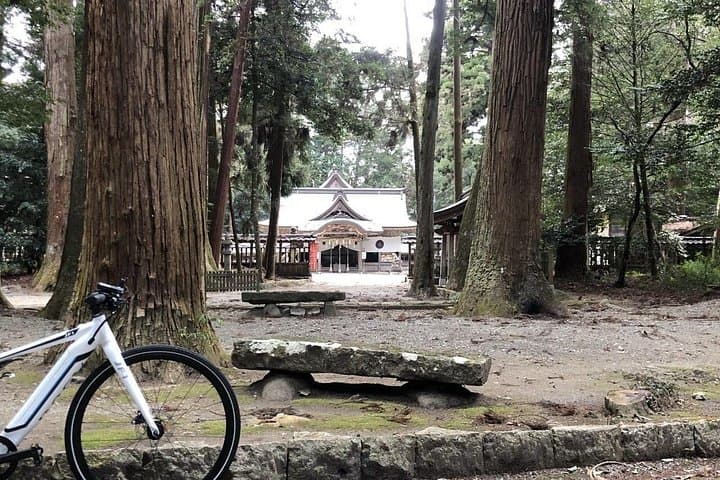
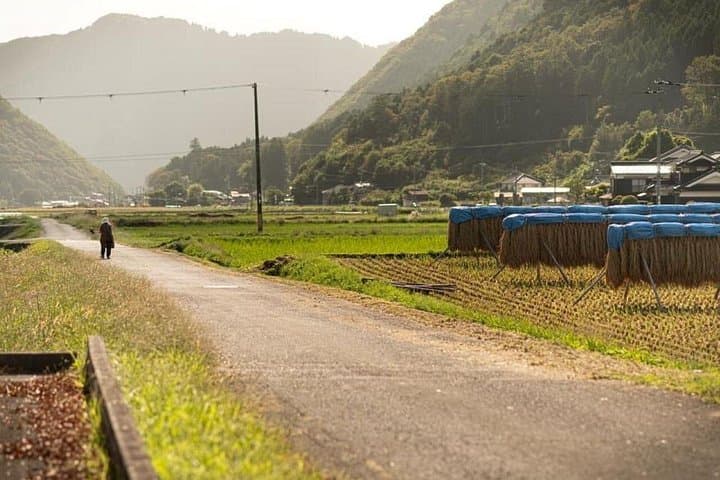
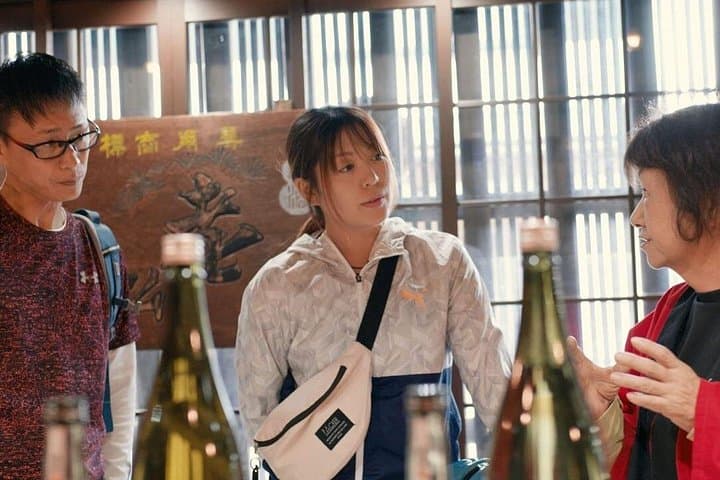
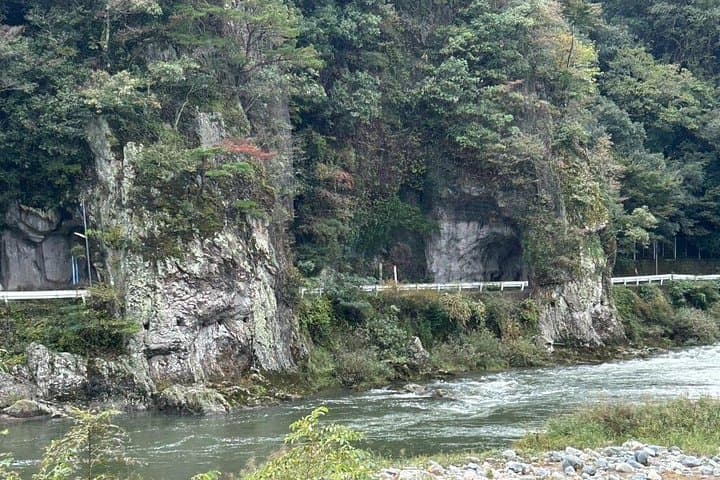
Morning light breaks over terraced rice paddies as riders mount electric bicycles and push off down a quiet country lane. The road narrows, cedar and cypress reforest the hillsides, and signs of Harima Province’s brewing past—stone lanterns, shrine gates—appear between fields. Over five to six hours this tour threads cultural sites and shallow valleys, finishing with a sake-brewery lunch that explains fermentation the way a guide explains a map.
Morning light breaks over terraced rice paddies as riders mount electric bicycles and push off down a quiet country lane. The road narrows, cedar and cypress reforest the hillsides, and signs of Harima Province’s brewing past—stone lanterns, shrine gates—appear between fields. Over five to six hours this tour threads cultural sites and shallow valleys, finishing with a sake-brewery lunch that explains fermentation the way a guide explains a map.
Harima's role in early sake history shows up at Ichinomiya and Iwa Shrines: records and rituals tie rice, water, and local priests to brewing techniques used for centuries. Geologically, the region is a gentle mix of low mountains and alluvial plains—ideal for rice cultivation and for quiet country roads that make e-biking relaxed but engaging. Culturally, small shrines and village breweries preserve local recipes and seasonal festivals; expect unhurried hospitality and explanations of koji, yeast, and barrel aging.
Practical guidance: riders cover mostly paved rural roads with occasional short climbs; electric assist smooths gradients but basic bike handling helps. Wear closed shoes and layered clothing—spring and autumn are cool, summer can be humid, and rain is possible. Bring a charged phone and small cash for shrine offerings or extra tastings. Helmets are provided, but a well-fitted helmet matters. The pace is conversational: stops at Niwata Shrine and Ichinomiya, a relaxed brewery tour, and a locally sourced fermented-lunch set. This is a cultural ride as much as a short cycling day—expect storytelling, sensory tastings, and countryside that modestly invites exploration.