THE ADVENTURE COLLECTIVE® · Independent discovery and booking for outdoor travel

A three-day loop from Kathmandu up through Shivapuri National Park to Nagarkot offers high ridgelines, sunrise mountain panoramas and easy village treks. This route pairs short, accessible trekking with cultural stops like Changu Narayan and Budhanilkantha.
A three-day loop from Kathmandu up through Shivapuri National Park to Nagarkot offers high ridgelines, sunrise mountain panoramas and easy village treks. This route pairs short, accessible trekking with cultural stops like Changu Narayan and Budhanilkantha.
Dawn cuts a cool line across the Kathmandu Valley; walkers climb through damp rhododendron and oak toward Shivapuri’s ridgelines while the valley below unfolds like a living map. On this three-day route hikers move from city fringe to high terrace, trading traffic noise for bird calls and long, open views of the Langtang and Annapurna ranges.
Verified experiences and guided adventures in the surrounding area.
Operated by Trekking Guide Team Adventure · Kathmandu, Bagmati Province
Dawn cuts a cool line across the Kathmandu Valley; walkers climb through damp rhododendron and oak toward Shivapuri’s ridgelines while the valley below unfolds like a living map. On this three-day route hikers move from city fringe to high terrace, trading traffic noise for bird calls and long, open views of the Langtang and Annapurna ranges.
Shivapuri is named for Shivapuri Peak (2,732 m) and sits on the northern rim of Kathmandu. The area combines mid-hill forests, terraced farmland and shrines—Changu Narayan and Budhanilkantha are cultural waypoints—reflecting centuries of settlement and pilgrimage. Geologically, trails follow colluvial slopes and old moraines that frame the valley; elevation gain is steady but not extreme, making the route well suited to novices. Villages like Chisopani provide a clear window into rural Nepali life: stone houses, seasonal fields, and traditional irrigation channels.
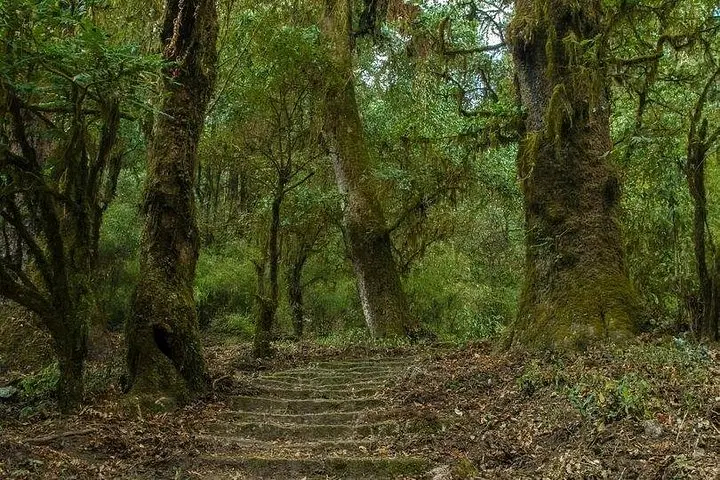
Expect mixed terrain—packed dirt, stone steps, and occasional muddy stretches after rain—with long viewpoint stretches for sunrise and sunset photography. Wildlife is subtle: macaques, deer and a variety of montane birds occupy the forest understory.
Practical guidance: plan for 3 days and moderate pacing (total walking around 8–12 km per day depending on side trips), carry layered clothing for cool mornings and warm midday sun, and bring a rain shell in monsoon months. Local tea houses and simple lodges handle accommodation and meals; guides are recommended for navigation, cultural context and permits. Leave no trace, stick to marked trails and budget time for early-morning summit views when visibility is best.
Day-hike permits or park entrance fees are typically required and are handled by guides or at park checkpoints.
The route is rated easy to moderate—trail surfaces vary but daily distances are manageable for most walkers with basic fitness.
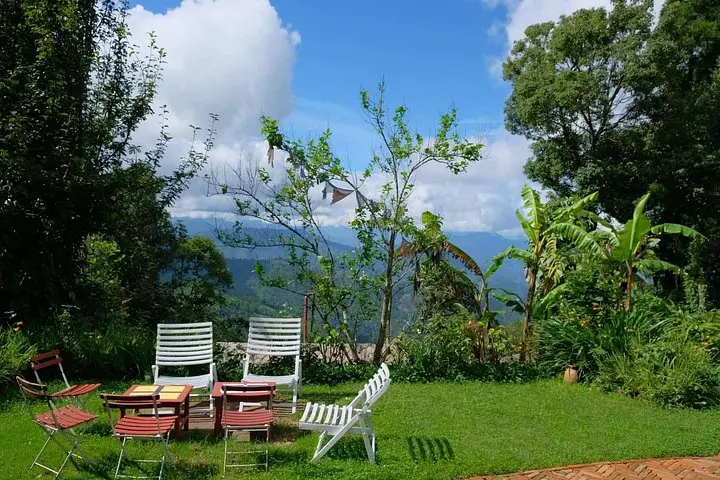
This itinerary includes two nights’ accommodation in local lodges or tea houses as noted in the package inclusions.
Fall (September–November) and spring (March–May) offer the clearest mountain views; winter provides crisp mornings but colder nights.
Trekking Guide Team Adventure operates guided outdoor trips and adventures with an emphasis on safety, stewardship, and memorable experiences.
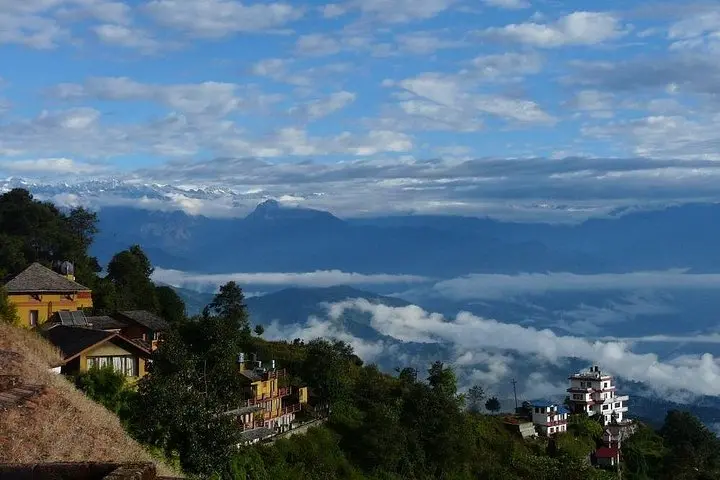
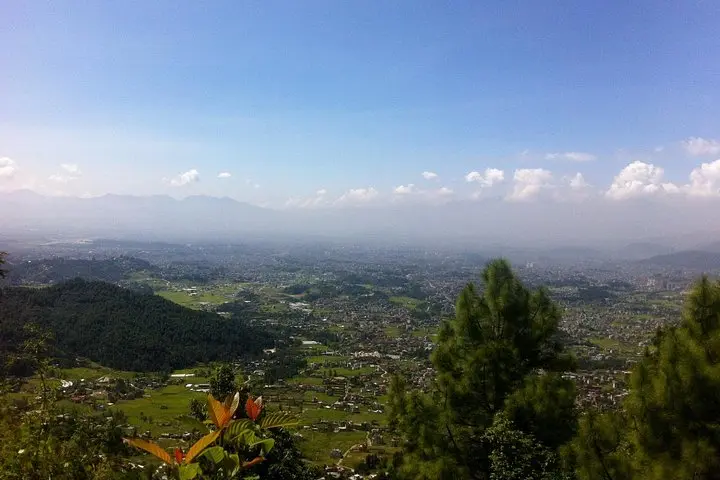
Dawn cuts a cool line across the Kathmandu Valley; walkers climb through damp rhododendron and oak toward Shivapuri’s ridgelines while the valley below unfolds like a living map. On this three-day route hikers move from city fringe to high terrace, trading traffic noise for bird calls and long, open views of the Langtang and Annapurna ranges.
Dawn cuts a cool line across the Kathmandu Valley; walkers climb through damp rhododendron and oak toward Shivapuri’s ridgelines while the valley below unfolds like a living map. On this three-day route hikers move from city fringe to high terrace, trading traffic noise for bird calls and long, open views of the Langtang and Annapurna ranges.
Shivapuri is named for Shivapuri Peak (2,732 m) and sits on the northern rim of Kathmandu. The area combines mid-hill forests, terraced farmland and shrines—Changu Narayan and Budhanilkantha are cultural waypoints—reflecting centuries of settlement and pilgrimage. Geologically, trails follow colluvial slopes and old moraines that frame the valley; elevation gain is steady but not extreme, making the route well suited to novices. Villages like Chisopani provide a clear window into rural Nepali life: stone houses, seasonal fields, and traditional irrigation channels.
Expect mixed terrain—packed dirt, stone steps, and occasional muddy stretches after rain—with long viewpoint stretches for sunrise and sunset photography. Wildlife is subtle: macaques, deer and a variety of montane birds occupy the forest understory.
Practical guidance: plan for 3 days and moderate pacing (total walking around 8–12 km per day depending on side trips), carry layered clothing for cool mornings and warm midday sun, and bring a rain shell in monsoon months. Local tea houses and simple lodges handle accommodation and meals; guides are recommended for navigation, cultural context and permits. Leave no trace, stick to marked trails and budget time for early-morning summit views when visibility is best.