THE ADVENTURE COLLECTIVE® · Independent discovery and booking for outdoor travel

Wander Luxor’s markets with a private guide who opens workshops, perfumeries, and alabaster studios. This four-hour tour pairs hands-on demonstrations with practical shopping tips—ideal for travelers seeking authentic Egyptian keepsakes.
Wander Luxor’s markets with a private guide who opens workshops, perfumeries, and alabaster studios. This four-hour tour pairs hands-on demonstrations with practical shopping tips—ideal for travelers seeking authentic Egyptian keepsakes.
Sunlight slices between narrow market alleys in Luxor, gilding rows of brass lamps and stacks of papyrus prints. On a private shopping tour the city feels immediate: voices, spices, and the steady scrape of an alabaster chisel shape the day as much as the nearby Nile.
Verified experiences and guided adventures in the surrounding area.
Operated by Alfa Tours Egypt · Luxor, Luxor Governorate
Sunlight slices between narrow market alleys in Luxor, gilding rows of brass lamps and stacks of papyrus prints. On a private shopping tour the city feels immediate: voices, spices, and the steady scrape of an alabaster chisel shape the day as much as the nearby Nile.
Luxor sits on the ruins of ancient Thebes, where millennia of craft—stone carving, metalwork, and papermaking—still define local trade. Geology matters here: the soft calcite of Egyptian alabaster quarried nearby allows delicate carving, while papyrus-making draws on the Nile's historic reed beds. The markets are living chapters of culture; perfumers, goldsmiths, and papyrus workshops practice traditional techniques passed down through generations.
Expect a paced, guided route that begins at an alabaster workshop and a papyrus studio, then moves to perfumery and jewelry makers. Your guide explains materials, points out hallmark signs of quality, and arranges demonstrations; entry fees to some workshops are typically included. Negotiation is customary—prices often start high and fall with calm, respectful bargaining.
Practical notes: bring small bills and a secure cash pouch, wear breathable clothing and sun protection, and allow four hours to move at an unrushed pace. Photography etiquette matters—ask before shooting people or workshops. If you want a heavier purchase shipped home, ask the guide about courier options and customs paperwork.
This is a low-effort, high-reward urban outing that pairs cultural insight with tactile souvenirs—perfect for travelers who want authentic keepsakes and hands-on context for what they buy.
Yes—vendors anticipate negotiation; your guide will advise on reasonable starting points and local norms.
The itinerary indicates entry to selected workshops (alabaster, papyrus); check your booking inclusions for specifics.
Many small vendors accept cash only; higher-end shops may take cards—bring sufficient Egyptian pounds for most purchases.
Yes—private tour bookings include hotel pickup and drop-off within central Luxor zones, per the listing details.
Alfa Tours Egypt operates guided outdoor trips and adventures with an emphasis on safety, stewardship, and memorable experiences.
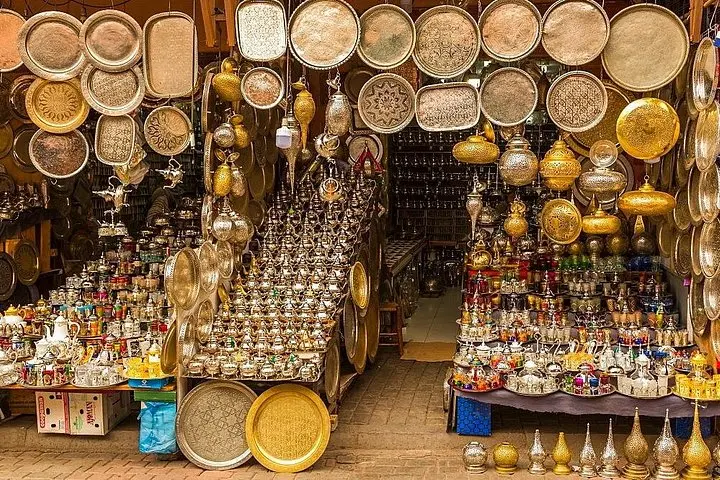
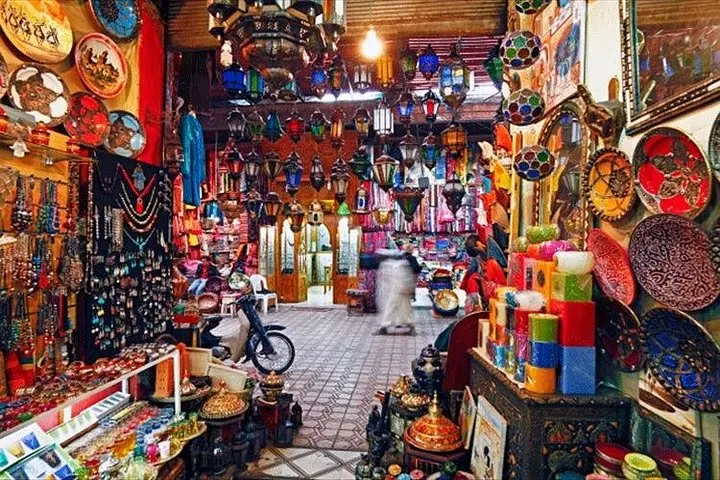
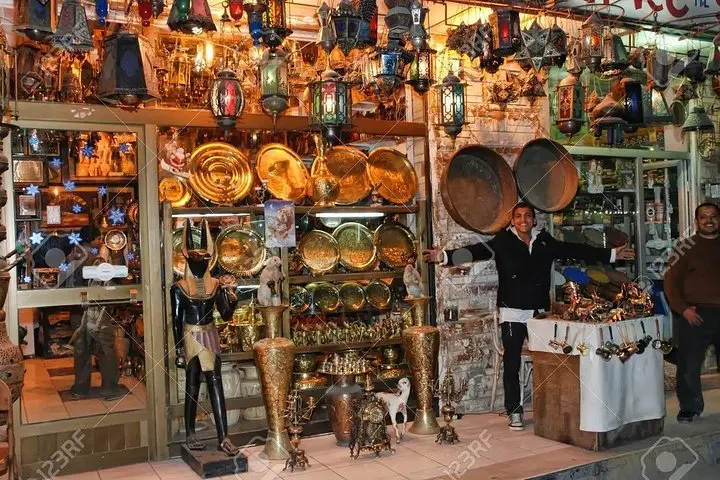
Sunlight slices between narrow market alleys in Luxor, gilding rows of brass lamps and stacks of papyrus prints. On a private shopping tour the city feels immediate: voices, spices, and the steady scrape of an alabaster chisel shape the day as much as the nearby Nile.
Sunlight slices between narrow market alleys in Luxor, gilding rows of brass lamps and stacks of papyrus prints. On a private shopping tour the city feels immediate: voices, spices, and the steady scrape of an alabaster chisel shape the day as much as the nearby Nile.
Luxor sits on the ruins of ancient Thebes, where millennia of craft—stone carving, metalwork, and papermaking—still define local trade. Geology matters here: the soft calcite of Egyptian alabaster quarried nearby allows delicate carving, while papyrus-making draws on the Nile's historic reed beds. The markets are living chapters of culture; perfumers, goldsmiths, and papyrus workshops practice traditional techniques passed down through generations.
Expect a paced, guided route that begins at an alabaster workshop and a papyrus studio, then moves to perfumery and jewelry makers. Your guide explains materials, points out hallmark signs of quality, and arranges demonstrations; entry fees to some workshops are typically included. Negotiation is customary—prices often start high and fall with calm, respectful bargaining.
Practical notes: bring small bills and a secure cash pouch, wear breathable clothing and sun protection, and allow four hours to move at an unrushed pace. Photography etiquette matters—ask before shooting people or workshops. If you want a heavier purchase shipped home, ask the guide about courier options and customs paperwork.
This is a low-effort, high-reward urban outing that pairs cultural insight with tactile souvenirs—perfect for travelers who want authentic keepsakes and hands-on context for what they buy.