THE ADVENTURE COLLECTIVE® · Independent discovery and booking for outdoor travel

Discover Stockholm’s thriving secondhand scene with a local Host who curates vintage shops, flea markets and minimalist design boutiques. This four‑hour walking tour blends practical shopping advice with insider routes through Södermalm, Gamla Stan and Norrmalm.
Discover Stockholm’s thriving secondhand scene with a local Host who curates vintage shops, flea markets and minimalist design boutiques. This four‑hour walking tour blends practical shopping advice with insider routes through Södermalm, Gamla Stan and Norrmalm.
The guide meets you where Stockholm’s pavement turns to cobbles: Hamngatan at Regeringsgatan, a pulse point between glossy department stores and quieter backstreets. The city’s light—clear and cool in most seasons—throws hard definition across minimalist shopfronts, and your Host threads you through alleys where vintage racks crowd the doorway and mid-century lamps glow behind frosted glass.
Verified experiences and guided adventures in the surrounding area.
Operated by City Unscripted · Stockholm, Stockholm County
The guide meets you where Stockholm’s pavement turns to cobbles: Hamngatan at Regeringsgatan, a pulse point between glossy department stores and quieter backstreets. The city’s light—clear and cool in most seasons—throws hard definition across minimalist shopfronts, and your Host threads you through alleys where vintage racks crowd the doorway and mid-century lamps glow behind frosted glass.
Stockholm’s shopping culture grew from pragmatic thrift and a post‑war embrace of functional design. Today that history shows in flea markets, charity shops, and tightly curated boutiques that champion repair, reuse, and local makers. Geologically the city sits on an archipelago of granite and skerries—the hard stone shaped how neighborhoods developed, concentrating trade along shorelines and producing compact, walkable districts.
Culturally, secondhand shopping is a weekend ritual: collectors hunt, students upcycle, and families shop for durable home pieces. Expect stops in Södermalm’s vintage lanes, the calmer alleys of Gamla Stan, and discreet concept stores in Norrmalm; the Host tailors the route to taste, from workwear and denim to Scandinavian home design.
Practically, plan for a four‑hour walk with frequent stops: shops open midmorning and close early evening. Wear comfortable shoes, carry a lightweight tote for finds, and leave space in your luggage for purchases. Payment is card‑centric but small coins can help for markets. Time your tour for weekday mornings to avoid crowds, and build in a fika break—the city’s ritual coffee pause—to rest and evaluate the haul. This is a walking, conversational experience—bring curiosity, reasonable expectations for sizes and descriptions, and a phone with battery for photos and contact with your Host.
Most tours confirm quickly; booking a few days ahead secures preferred times but last‑minute bookings are often possible.
Hosts can advise and may help request holds, but purchases are handled directly by guests and stores' holding policies vary.
Retail vintage shops rarely haggle, while individual market sellers may accept reasonable offers—ask politely.
Many central streets and shops are accessible, but cobbles and older doorways can be restrictive—discuss needs when booking so your Host can plan an accessible route.
City Unscripted operates guided outdoor trips and adventures with an emphasis on safety, stewardship, and memorable experiences.
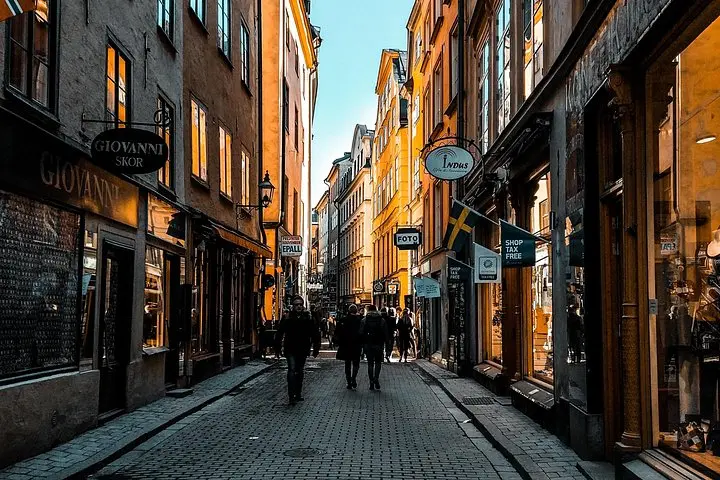
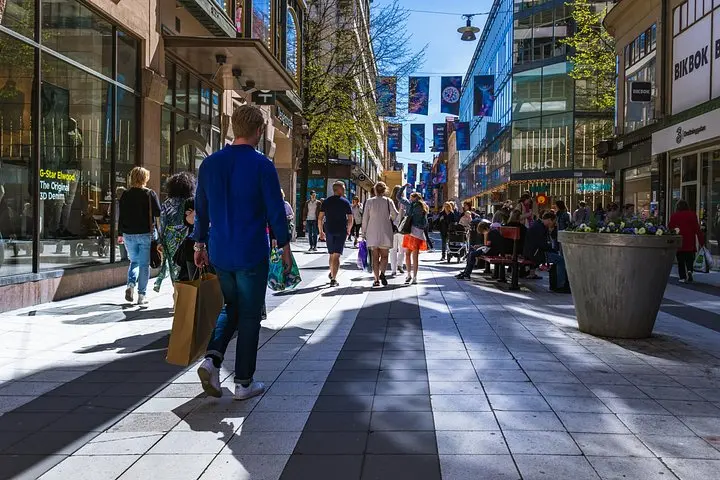
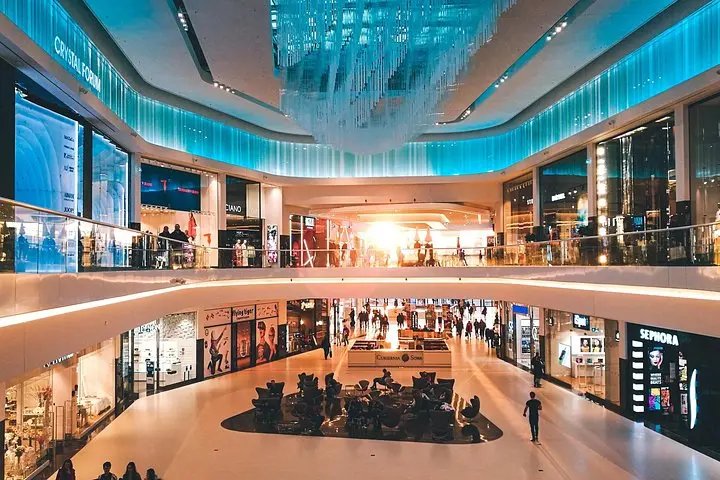
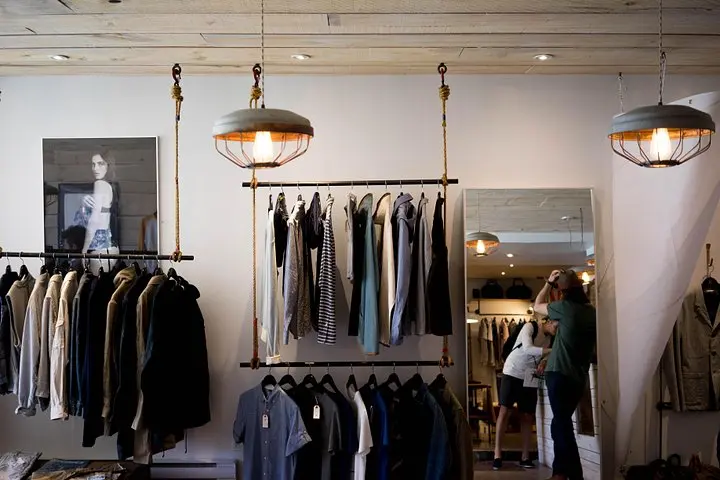
The guide meets you where Stockholm’s pavement turns to cobbles: Hamngatan at Regeringsgatan, a pulse point between glossy department stores and quieter backstreets. The city’s light—clear and cool in most seasons—throws hard definition across minimalist shopfronts, and your Host threads you through alleys where vintage racks crowd the doorway and mid-century lamps glow behind frosted glass.
The guide meets you where Stockholm’s pavement turns to cobbles: Hamngatan at Regeringsgatan, a pulse point between glossy department stores and quieter backstreets. The city’s light—clear and cool in most seasons—throws hard definition across minimalist shopfronts, and your Host threads you through alleys where vintage racks crowd the doorway and mid-century lamps glow behind frosted glass.
Stockholm’s shopping culture grew from pragmatic thrift and a post‑war embrace of functional design. Today that history shows in flea markets, charity shops, and tightly curated boutiques that champion repair, reuse, and local makers. Geologically the city sits on an archipelago of granite and skerries—the hard stone shaped how neighborhoods developed, concentrating trade along shorelines and producing compact, walkable districts.
Culturally, secondhand shopping is a weekend ritual: collectors hunt, students upcycle, and families shop for durable home pieces. Expect stops in Södermalm’s vintage lanes, the calmer alleys of Gamla Stan, and discreet concept stores in Norrmalm; the Host tailors the route to taste, from workwear and denim to Scandinavian home design.
Practically, plan for a four‑hour walk with frequent stops: shops open midmorning and close early evening. Wear comfortable shoes, carry a lightweight tote for finds, and leave space in your luggage for purchases. Payment is card‑centric but small coins can help for markets. Time your tour for weekday mornings to avoid crowds, and build in a fika break—the city’s ritual coffee pause—to rest and evaluate the haul. This is a walking, conversational experience—bring curiosity, reasonable expectations for sizes and descriptions, and a phone with battery for photos and contact with your Host.