THE ADVENTURE COLLECTIVE® · Independent discovery and booking for outdoor travel

Explore Shoreditch’s bold murals and hidden stencils on a guided two‑hour walk through Brick Lane and the Truman Brewery district. Learn the East End’s immigrant history, the artists’ stories, and practical tips for photographing and navigating the streets.
Explore Shoreditch’s bold murals and hidden stencils on a guided two‑hour walk through Brick Lane and the Truman Brewery district. Learn the East End’s immigrant history, the artists’ stories, and practical tips for photographing and navigating the streets.
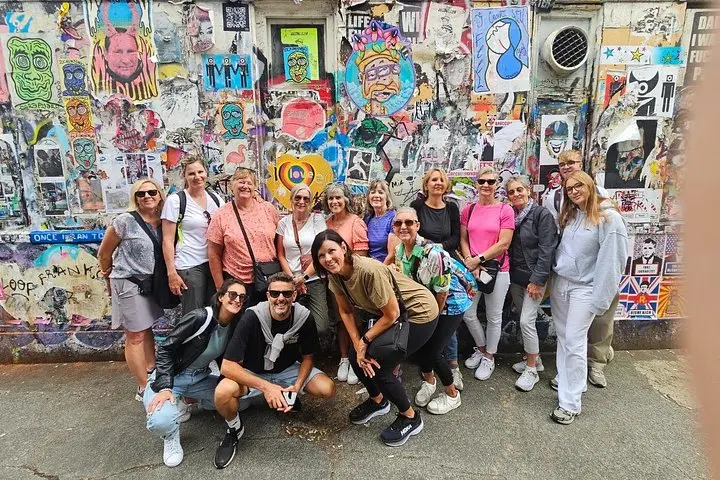
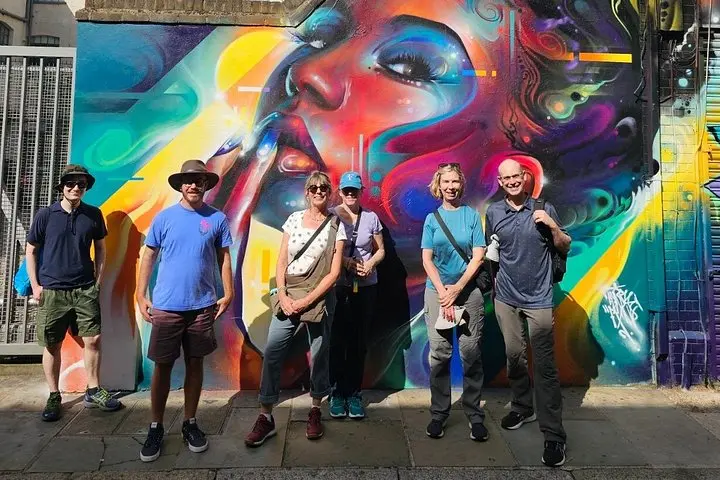
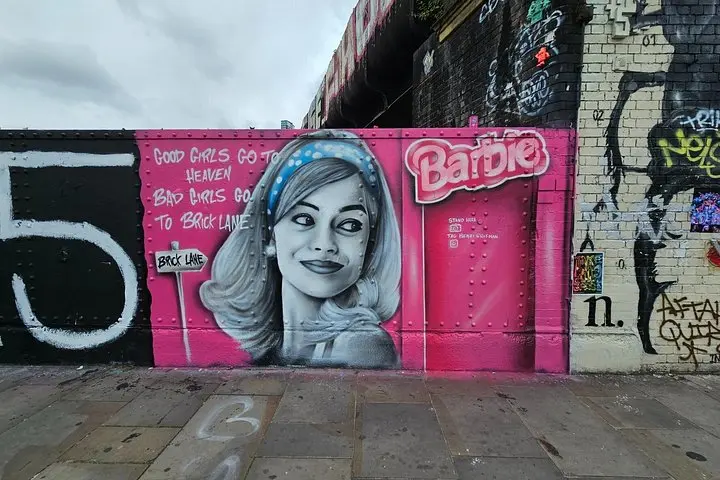
The group spills out from a narrow side street into a patchwork of paint and brick—oversized murals towering above market stalls, tucked stencils peering from alleyways, and paste-ups clinging to service doors. The air smells of frying onions from a nearby curry house and the click of camera shutters mixes with the guide’s quick cadence as they point to a hidden tag that most passersby miss.
Verified experiences and guided adventures in the surrounding area.
Operated by The Great Weekender Experiences · London, England
The group spills out from a narrow side street into a patchwork of paint and brick—oversized murals towering above market stalls, tucked stencils peering from alleyways, and paste-ups clinging to service doors. The air smells of frying onions from a nearby curry house and the click of camera shutters mixes with the guide’s quick cadence as they point to a hidden tag that most passersby miss.
Shoreditch sits on London’s historic East End, built on London Clay and nineteenth‑century brickworks that supplied the city’s boom. Once a center for textiles and immigrant communities, the neighborhood’s walls became a public canvas after the 1990s, when graffiti culture and later street artists transformed vacant warehouses and brewery facades—Truman Brewery included—into open‑air galleries.
Visitors will hear how waves of migration from Huguenots to Bangladeshi shopkeepers shaped Brick Lane’s character, and how legal walls, commissioned murals, and guerrilla pieces coexist in a fragile cultural economy.
Expect flat, mostly paved walking on a 2‑hour loop through Shoreditch and Brick Lane with frequent stops to dissect technique, provenance, and the artists’ social commentary. Guides interpret temporary pieces you might otherwise miss and flag conservation issues—fresh paint, removal schedules, and plaques.
Practical notes: arrive by tube or overground, wear slip‑resistant shoes for uneven alley cobbles, carry a compact umbrella for sudden rain, and bring a fully charged camera. Respect private property and photograph without touching. Small groups (around 15) make it easy to ask questions and move at a steady urban pace—an accessible but richly layered introduction to one of London’s most dynamic street‑art scenes.
Meeting points are usually near a central Shoreditch location (check confirmation); tours typically end close to Brick Lane so you can continue exploring independently.
Yes—sidewalks accommodate strollers but expect some cobbles and narrow passages; bring a carrier for very tight alleyways.
No—most street art is on private property or curated walls; do not remove or touch works and ask guides about prints or gallery contacts for purchases.
Tours run in light rain; a compact rain jacket or umbrella and waterproof shoes are recommended—organizer cancellation policies apply for severe weather.
The Great Weekender Experiences operates guided outdoor trips and adventures with an emphasis on safety, stewardship, and memorable experiences.

The group spills out from a narrow side street into a patchwork of paint and brick—oversized murals towering above market stalls, tucked stencils peering from alleyways, and paste-ups clinging to service doors. The air smells of frying onions from a nearby curry house and the click of camera shutters mixes with the guide’s quick cadence as they point to a hidden tag that most passersby miss.
The group spills out from a narrow side street into a patchwork of paint and brick—oversized murals towering above market stalls, tucked stencils peering from alleyways, and paste-ups clinging to service doors. The air smells of frying onions from a nearby curry house and the click of camera shutters mixes with the guide’s quick cadence as they point to a hidden tag that most passersby miss.
Shoreditch sits on London’s historic East End, built on London Clay and nineteenth‑century brickworks that supplied the city’s boom. Once a center for textiles and immigrant communities, the neighborhood’s walls became a public canvas after the 1990s, when graffiti culture and later street artists transformed vacant warehouses and brewery facades—Truman Brewery included—into open‑air galleries.
Visitors will hear how waves of migration from Huguenots to Bangladeshi shopkeepers shaped Brick Lane’s character, and how legal walls, commissioned murals, and guerrilla pieces coexist in a fragile cultural economy.
Expect flat, mostly paved walking on a 2‑hour loop through Shoreditch and Brick Lane with frequent stops to dissect technique, provenance, and the artists’ social commentary. Guides interpret temporary pieces you might otherwise miss and flag conservation issues—fresh paint, removal schedules, and plaques.
Practical notes: arrive by tube or overground, wear slip‑resistant shoes for uneven alley cobbles, carry a compact umbrella for sudden rain, and bring a fully charged camera. Respect private property and photograph without touching. Small groups (around 15) make it easy to ask questions and move at a steady urban pace—an accessible but richly layered introduction to one of London’s most dynamic street‑art scenes.