THE ADVENTURE COLLECTIVE® · Independent discovery and booking for outdoor travel

Walk the colorful arteries of Shoreditch on a guided 2–3 hour tour that decodes street art from paste-ups to large-scale murals. Learn the area's creative history, spot works by celebrated and emerging artists, and get practical tips for photographing and respecting urban canvases.
Walk the colorful arteries of Shoreditch on a guided 2–3 hour tour that decodes street art from paste-ups to large-scale murals. Learn the area's creative history, spot works by celebrated and emerging artists, and get practical tips for photographing and respecting urban canvases.
Morning light cuts through the narrow lanes of Shoreditch as you step from Old Street into a maze of color and stenciled faces. Walls dare you to look closer; shutters, doors and even concrete pillars carry layers of stories—political posters, paste-ups and large-scale murals that change with each season.
Verified experiences and guided adventures in the surrounding area.
Operated by Loudman Tours · London, Greater London
Morning light cuts through the narrow lanes of Shoreditch as you step from Old Street into a maze of color and stenciled faces. Walls dare you to look closer; shutters, doors and even concrete pillars carry layers of stories—political posters, paste-ups and large-scale murals that change with each season.
Shoreditch's street art grew from the area's industrial decline in the late 20th century into a global scene by the 2000s, drawing pioneering artists who repurposed empty façades into open-air galleries. The neighborhood is brick, iron and market stalls—an urban geology that gives murals rough texture and high contrast under variable London light.
Expect a paced, 2–3 hour walking route that threads through Hoxton and Brick Lane with curated stops to discuss technique, attribution and the legal tensions between commissioned murals and unauthorized graffiti. Guides point out works by established names and emerging locals, and explain how pieces evolve—peeling paste-ups, layered aerosol and deliberate overpainting.
Practicalities: wear sturdy walking shoes and plan for changeable weather; exposed brick can radiate heat in summer and funnel wind in winter. Bring a charged camera and a small notebook if you catalogue or sketch. Photograph freely but don't touch fresh paint; always be mindful of private property and local traders.
Timing matters—early mornings offer softer light and fewer crowds; market days make for livelier streets and more pop-up art. The route is generally flat and accessible, though expect cobbles and uneven pavement, so steady footing and cautious steps will keep the focus on the art rather than the ground beneath you.
Yes; routes are family-friendly and stroller accessible, though cobbles and crowds on market days can make navigation slower.
Most tours focus on viewing and interpretation; commissioned interactive sessions vary—ask the operator about participatory options in advance.
Photography is encouraged for non-commercial use; tripods may be impractical on narrow lanes and busy market days—check with your guide for tripod policies.
Tours run in most weather; guides will adapt the route and timing. Bring waterproof layers and expect some sheltered stops.
Loudman Tours operates guided outdoor trips and adventures with an emphasis on safety, stewardship, and memorable experiences.
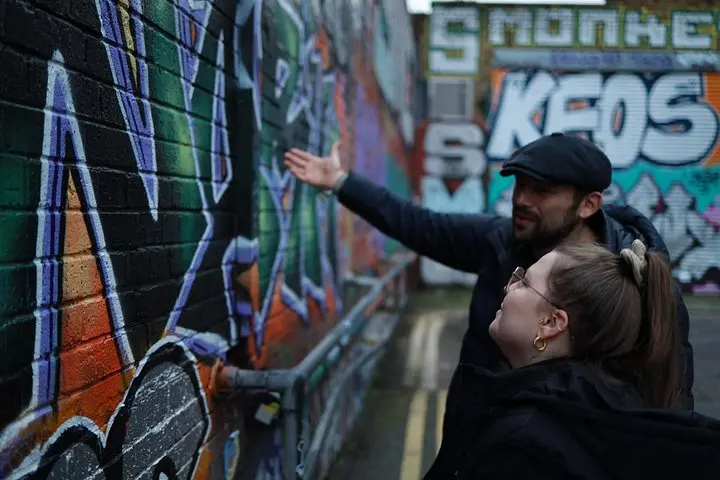
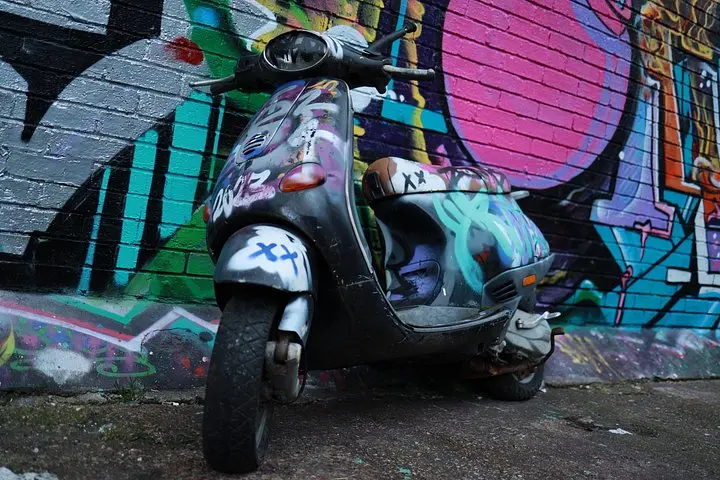
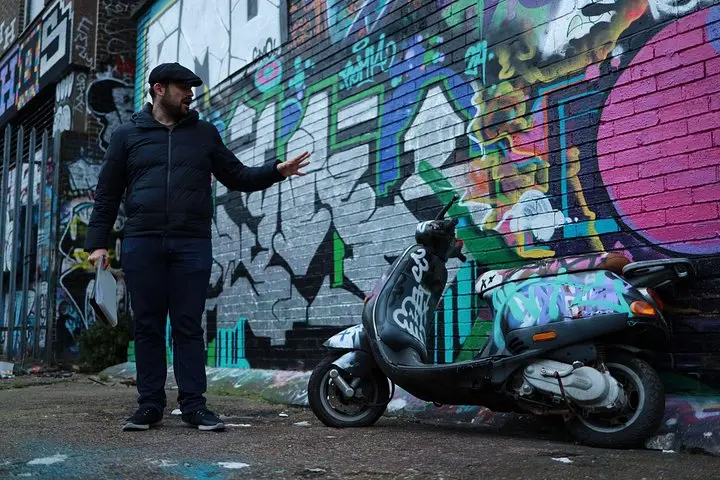

Morning light cuts through the narrow lanes of Shoreditch as you step from Old Street into a maze of color and stenciled faces. Walls dare you to look closer; shutters, doors and even concrete pillars carry layers of stories—political posters, paste-ups and large-scale murals that change with each season.
Morning light cuts through the narrow lanes of Shoreditch as you step from Old Street into a maze of color and stenciled faces. Walls dare you to look closer; shutters, doors and even concrete pillars carry layers of stories—political posters, paste-ups and large-scale murals that change with each season.
Shoreditch's street art grew from the area's industrial decline in the late 20th century into a global scene by the 2000s, drawing pioneering artists who repurposed empty façades into open-air galleries. The neighborhood is brick, iron and market stalls—an urban geology that gives murals rough texture and high contrast under variable London light.
Expect a paced, 2–3 hour walking route that threads through Hoxton and Brick Lane with curated stops to discuss technique, attribution and the legal tensions between commissioned murals and unauthorized graffiti. Guides point out works by established names and emerging locals, and explain how pieces evolve—peeling paste-ups, layered aerosol and deliberate overpainting.
Practicalities: wear sturdy walking shoes and plan for changeable weather; exposed brick can radiate heat in summer and funnel wind in winter. Bring a charged camera and a small notebook if you catalogue or sketch. Photograph freely but don't touch fresh paint; always be mindful of private property and local traders.
Timing matters—early mornings offer softer light and fewer crowds; market days make for livelier streets and more pop-up art. The route is generally flat and accessible, though expect cobbles and uneven pavement, so steady footing and cautious steps will keep the focus on the art rather than the ground beneath you.