THE ADVENTURE COLLECTIVE® · Independent discovery and booking for outdoor travel

A focused, 48‑hour trek from km 104 to Machu Picchu that packs Inca ruins, cloud-forest walking and the sunrise reveal at Inti Punku into a short itinerary. Ideal for travelers with limited time who still want the trail experience.
A focused, 48‑hour trek from km 104 to Machu Picchu that packs Inca ruins, cloud-forest walking and the sunrise reveal at Inti Punku into a short itinerary. Ideal for travelers with limited time who still want the trail experience.
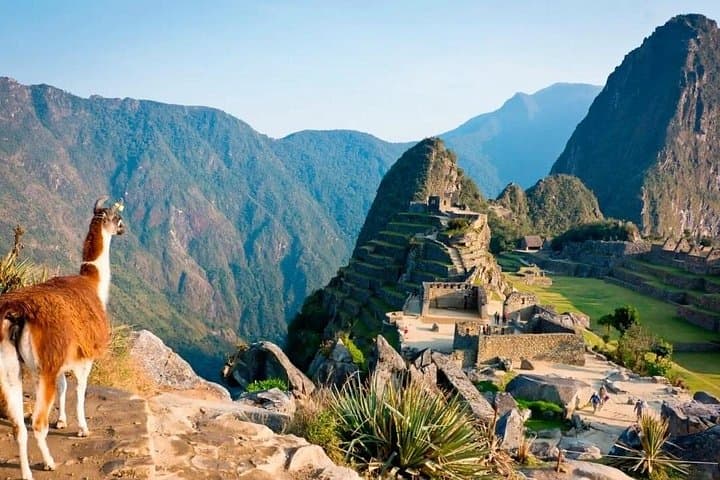
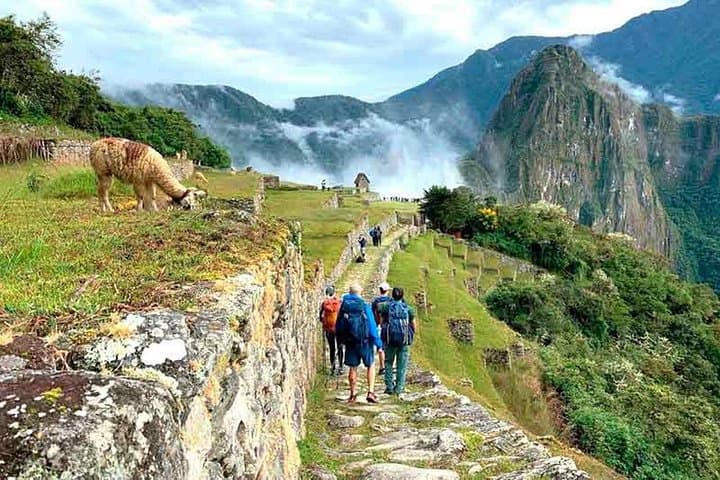
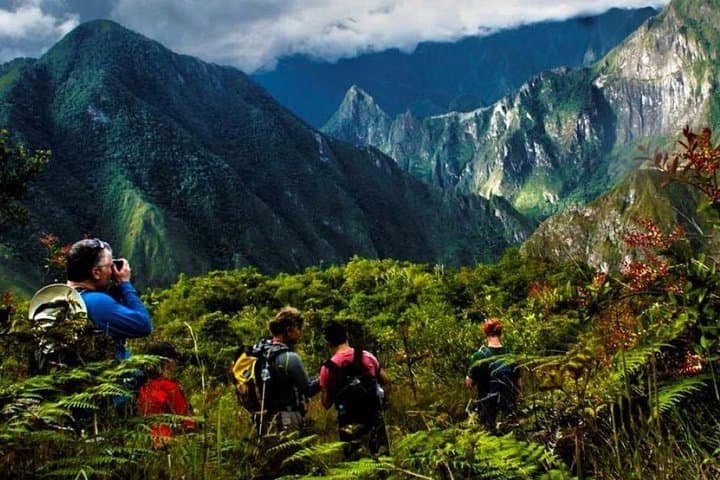
You step off the train at km 104 and the air changes — humid stone steps and fern-slick slopes give way to Inca stonework that still fits together like a puzzle. The short Inca Trail runs through cloud forest and craggy terraces, threading low jungle, carved stairways and mountain viewpoints that open onto Machu Picchu.
Verified experiences and guided adventures in the surrounding area.
Operated by World Explorer Peru · Aguas Calientes, Cusco
You step off the train at km 104 and the air changes — humid stone steps and fern-slick slopes give way to Inca stonework that still fits together like a puzzle. The short Inca Trail runs through cloud forest and craggy terraces, threading low jungle, carved stairways and mountain viewpoints that open onto Machu Picchu.
This condensed route follows the same engineered corridors the Incas used centuries ago. Key archaeological stops include Chachabamba, the terrace complex at Wiñayhuayna, and the final approach through Inti Punku (the Sun Gate), which delivers the first full view of Machu Picchu at about 2,430 meters. Geologically the trail crosses steep slopes of the eastern Andean cordillera — granite and metamorphic rocks sculpted by rivers and seasonal rains — which is why drainage and stepped paths are everywhere.
Locally, communities link their livelihoods to the trail: porters, guides and small hostels in Aguas Calientes supply the flow of visitors. Conservation rules limit daily permits on the classic and short Inca Trail variants, so operators handle tickets and ID registration.
Practical guidance: allow 48 hours for the trip, including train time from Cusco/Ollantaytambo and a dawn entry to Machu Picchu for best light. Expect steep, uneven steps and short, sharp climbs — bring sturdy boots, layered clothing, at least 2 liters of water, and sun protection. Acclimatize in Cusco (3,400 m) for a day or two to reduce altitude effects. Because permits and train seats sell out in high season, book early and carry originals of your passport and ticket details. Pace yourself on the stair sections — the landscape rewards patience with expansive views and quiet stonework that seems to watch you pass.
Yes. Access to any official Inca Trail (including the 2‑day start at km 104) is regulated; operators register hikers and include the permit and Machu Picchu entrance in the package.
Machu Picchu is about 2,430 m, but Cusco is higher (~3,400 m); acclimatize in Cusco for 24–48 hours, hydrate, and avoid heavy exertion on arrival to reduce symptoms.
The short trail condenses the effort into steeper, quicker sections but covers less distance overall; expect more intense stair climbing over a shorter timeframe—fitness and comfortable footwear matter.
Train and bus seats between Ollantaytambo, Aguas Calientes and Machu Picchu often sell out during peak season; it’s recommended to book them in advance, typically included by tour operators.
World Explorer Peru operates guided outdoor trips and adventures with an emphasis on safety, stewardship, and memorable experiences.
You step off the train at km 104 and the air changes — humid stone steps and fern-slick slopes give way to Inca stonework that still fits together like a puzzle. The short Inca Trail runs through cloud forest and craggy terraces, threading low jungle, carved stairways and mountain viewpoints that open onto Machu Picchu.
You step off the train at km 104 and the air changes — humid stone steps and fern-slick slopes give way to Inca stonework that still fits together like a puzzle. The short Inca Trail runs through cloud forest and craggy terraces, threading low jungle, carved stairways and mountain viewpoints that open onto Machu Picchu.
This condensed route follows the same engineered corridors the Incas used centuries ago. Key archaeological stops include Chachabamba, the terrace complex at Wiñayhuayna, and the final approach through Inti Punku (the Sun Gate), which delivers the first full view of Machu Picchu at about 2,430 meters. Geologically the trail crosses steep slopes of the eastern Andean cordillera — granite and metamorphic rocks sculpted by rivers and seasonal rains — which is why drainage and stepped paths are everywhere.
Locally, communities link their livelihoods to the trail: porters, guides and small hostels in Aguas Calientes supply the flow of visitors. Conservation rules limit daily permits on the classic and short Inca Trail variants, so operators handle tickets and ID registration.
Practical guidance: allow 48 hours for the trip, including train time from Cusco/Ollantaytambo and a dawn entry to Machu Picchu for best light. Expect steep, uneven steps and short, sharp climbs — bring sturdy boots, layered clothing, at least 2 liters of water, and sun protection. Acclimatize in Cusco (3,400 m) for a day or two to reduce altitude effects. Because permits and train seats sell out in high season, book early and carry originals of your passport and ticket details. Pace yourself on the stair sections — the landscape rewards patience with expansive views and quiet stonework that seems to watch you pass.