THE ADVENTURE COLLECTIVE® · Independent discovery and booking for outdoor travel

Condense the classic Inca Trail into two days: hike from KM 104 to Wiñay Wayna, overnight in Aguas Calientes, then enter Machu Picchu at sunrise via the Sun Gate. Expect 10 km of stone steps, cloud-forest views, and a culturally rich, permit-controlled route.
Condense the classic Inca Trail into two days: hike from KM 104 to Wiñay Wayna, overnight in Aguas Calientes, then enter Machu Picchu at sunrise via the Sun Gate. Expect 10 km of stone steps, cloud-forest views, and a culturally rich, permit-controlled route.
You step off the train at KM 104, air thin and cool, the first stone stairs already angling up through cloud-forest. Birdsong threads between waterfalls; orchids cling to mossy rock. The path winds past terraces and doorways carved by hands centuries ago, and by late afternoon you reach Wiñay Wayna — a compact ruin perched above the valley with steps that demand a moment of quiet respect.
Verified experiences and guided adventures in the surrounding area.
Operated by Andean Path Travel · Aguas Calientes, Cusco
You step off the train at KM 104, air thin and cool, the first stone stairs already angling up through cloud-forest. Birdsong threads between waterfalls; orchids cling to mossy rock. The path winds past terraces and doorways carved by hands centuries ago, and by late afternoon you reach Wiñay Wayna — a compact ruin perched above the valley with steps that demand a moment of quiet respect.
The trail is a living corridor of Inca engineering and Andean history. Built as a connector between mountain communities and sacred sites, this section showcases fine masonry, agricultural terraces, and the Sun Gate (Inti Punku) viewpoint that frames Machu Picchu like a revealed painting. Geologically, the route traces steep granite slopes carved by glacial action and the Urubamba River’s erosive power; the microclimate supports cloud-forest species and hummingbirds that inspect hikers as they pass.
Practically, the two-day option compresses highlights into a manageable overnight: roughly 10 km of walking, 2900–2430 m typical altitude range, and several stair sections. Expect uneven stonework, wet patches in the rainy season, and sudden sun above the treeline. Bring layered clothing for sharp temperature swings, hydrate well to offset altitude, and allow extra time for photo stops and acclimatization.
Logistics: trains run to Ollantaytambo/ KM 104, permits are limited and required, and the second morning begins early to catch Machu Picchu’s soft light. For first-time visitors, plan footwear with good grip, a light daypack, and contingency plans for weather—this short Inca Trail delivers the essence of the classic route with less time and big rewards.
Yes—permits are limited and tied to specific dates; the 2-day short trail also requires Machu Picchu entry tickets and advance booking.
It can be suitable for older children used to hiking, but expect many stairs and altitude; monitor for fatigue and altitude symptoms.
Most operators include a hotel night in Aguas Calientes and arrange transport for main luggage by train/bus; confirm baggage limits with your provider.
Basic restroom facilities exist at some trail points and Aguas Calientes; carry hand sanitizer and small toilet paper supply for sections without service.
Andean Path Travel operates guided outdoor trips and adventures with an emphasis on safety, stewardship, and memorable experiences.

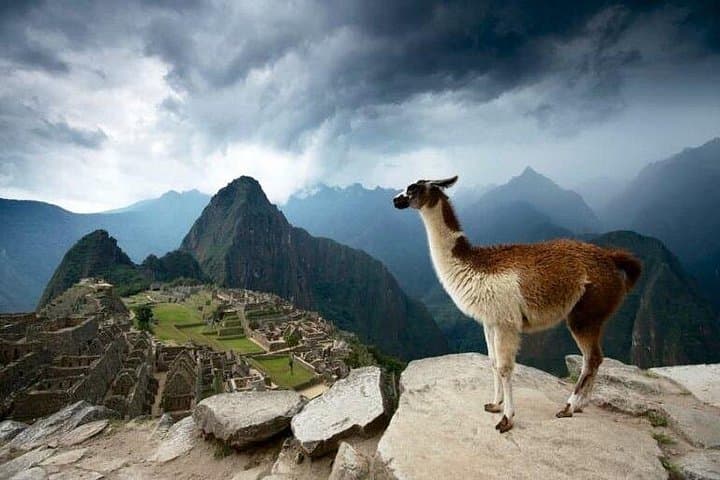


You step off the train at KM 104, air thin and cool, the first stone stairs already angling up through cloud-forest. Birdsong threads between waterfalls; orchids cling to mossy rock. The path winds past terraces and doorways carved by hands centuries ago, and by late afternoon you reach Wiñay Wayna — a compact ruin perched above the valley with steps that demand a moment of quiet respect.
You step off the train at KM 104, air thin and cool, the first stone stairs already angling up through cloud-forest. Birdsong threads between waterfalls; orchids cling to mossy rock. The path winds past terraces and doorways carved by hands centuries ago, and by late afternoon you reach Wiñay Wayna — a compact ruin perched above the valley with steps that demand a moment of quiet respect.
The trail is a living corridor of Inca engineering and Andean history. Built as a connector between mountain communities and sacred sites, this section showcases fine masonry, agricultural terraces, and the Sun Gate (Inti Punku) viewpoint that frames Machu Picchu like a revealed painting. Geologically, the route traces steep granite slopes carved by glacial action and the Urubamba River’s erosive power; the microclimate supports cloud-forest species and hummingbirds that inspect hikers as they pass.
Practically, the two-day option compresses highlights into a manageable overnight: roughly 10 km of walking, 2900–2430 m typical altitude range, and several stair sections. Expect uneven stonework, wet patches in the rainy season, and sudden sun above the treeline. Bring layered clothing for sharp temperature swings, hydrate well to offset altitude, and allow extra time for photo stops and acclimatization.
Logistics: trains run to Ollantaytambo/ KM 104, permits are limited and required, and the second morning begins early to catch Machu Picchu’s soft light. For first-time visitors, plan footwear with good grip, a light daypack, and contingency plans for weather—this short Inca Trail delivers the essence of the classic route with less time and big rewards.