THE ADVENTURE COLLECTIVE® · Independent discovery and booking for outdoor travel

A concise three-hour circuit from Salento through wax-palm groves, photo platforms and the Carelia/Patasola waterfall. Ideal for hikers who want high-impact views and cultural context without a full-day trek.
A concise three-hour circuit from Salento through wax-palm groves, photo platforms and the Carelia/Patasola waterfall. Ideal for hikers who want high-impact views and cultural context without a full-day trek.
Mornings in the Cocora Valley begin with mist that lingers low among columns of wax palm, the tallest palms on Earth lifting thin crowns into cool Andean sky. The short tour out of Salento threads farm track and forest trail, pauses at photo platforms and jeep stops, and eases you toward a viewpoint where the valley opens in 360 degrees.
Verified experiences and guided adventures in the surrounding area.
Operated by Cocoratours Valle de cocora · Salento, Quindío
Mornings in the Cocora Valley begin with mist that lingers low among columns of wax palm, the tallest palms on Earth lifting thin crowns into cool Andean sky. The short tour out of Salento threads farm track and forest trail, pauses at photo platforms and jeep stops, and eases you toward a viewpoint where the valley opens in 360 degrees.
Geology here is recent Andes—steep ridges carved by rivers and cloud-driven weather—creating deep hollows perfect for the wax palm (Ceroxylon quindiuense). The valley sits where coffee farms give way to páramo-influenced forest; local Kalenjin-influenced (Paisa) culture and smallholdings pepper the approach, and jeeps (Willys) remain part of the visual story and photo culture.
Expect roughly 4–6 km round-trip on a mix of packed dirt, grassy farm paths and occasional rooty forest tread, with an initial steady climb of 150–350 m depending on route variation. Platforms and the Carelia/Patasola waterfall offer high-value photo stops—no swimming—but dramatic views and birdlife to keep binoculars busy. Guides explain local history, palm ecology and farm systems, and they rotate photo stops so you can linger.
Practicalities: this short loop typically takes about 3 hours; wear sturdy trail shoes, bring a lightweight rain layer, 1–2 liters of water and sun protection. Mornings are cooler and clearer; afternoons bring more cloud and rain. If you have back or heart problems, choose a gentler pace or taxi access points. Travel light, keep to marked trails, and leave no trace—these palms recover slowly and the valley depends on respectful visitors.
The short circuit is about 4–6 km round-trip and usually runs around 3 hours, including stops at viewpoints and the waterfall.
No—swimming is not permitted at that waterfall; platforms provide safe photo vantage points but no access to the pool.
Yes for many: the tour is rated easy but includes uneven ground and some climbs; guides can adjust pace and there are jeep access options for those who need less walking.
A local guide is recommended for interpretation and navigation; park access is managed and most short tours include entrance fees and a guide.
Cocoratours Valle de cocora operates guided outdoor trips and adventures with an emphasis on safety, stewardship, and memorable experiences.
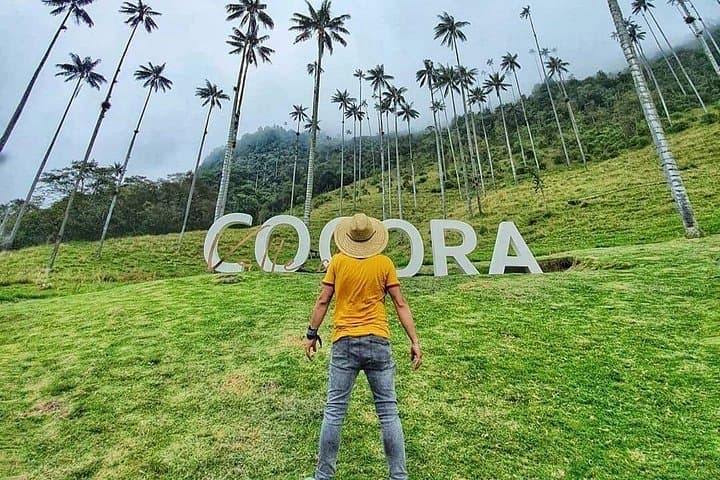
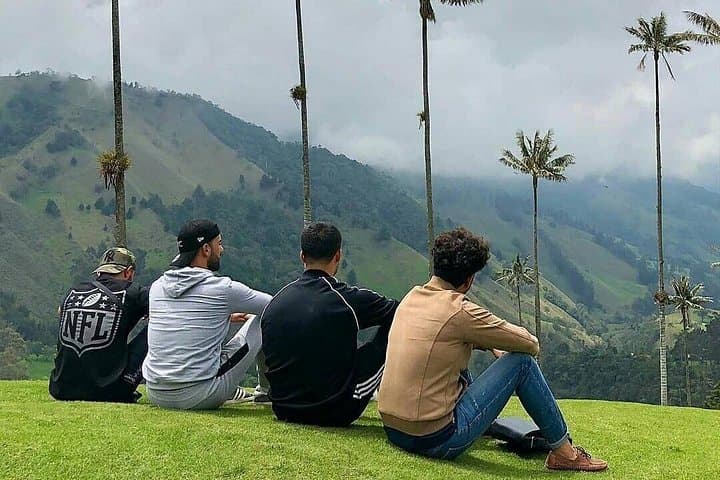
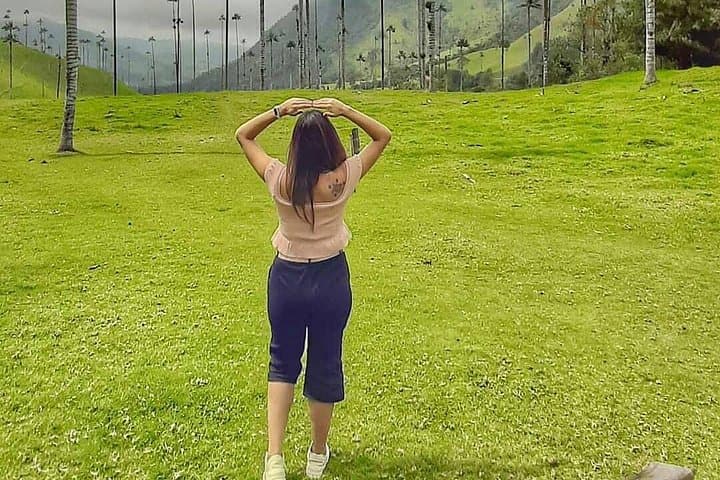
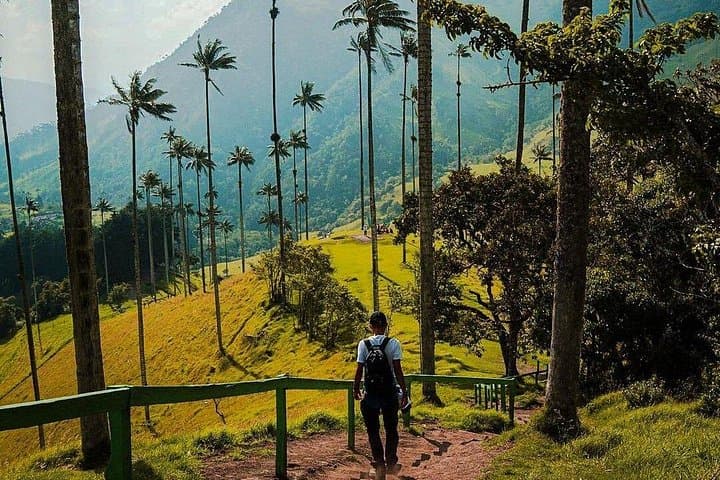
Mornings in the Cocora Valley begin with mist that lingers low among columns of wax palm, the tallest palms on Earth lifting thin crowns into cool Andean sky. The short tour out of Salento threads farm track and forest trail, pauses at photo platforms and jeep stops, and eases you toward a viewpoint where the valley opens in 360 degrees.
Mornings in the Cocora Valley begin with mist that lingers low among columns of wax palm, the tallest palms on Earth lifting thin crowns into cool Andean sky. The short tour out of Salento threads farm track and forest trail, pauses at photo platforms and jeep stops, and eases you toward a viewpoint where the valley opens in 360 degrees.
Geology here is recent Andes—steep ridges carved by rivers and cloud-driven weather—creating deep hollows perfect for the wax palm (Ceroxylon quindiuense). The valley sits where coffee farms give way to páramo-influenced forest; local Kalenjin-influenced (Paisa) culture and smallholdings pepper the approach, and jeeps (Willys) remain part of the visual story and photo culture.
Expect roughly 4–6 km round-trip on a mix of packed dirt, grassy farm paths and occasional rooty forest tread, with an initial steady climb of 150–350 m depending on route variation. Platforms and the Carelia/Patasola waterfall offer high-value photo stops—no swimming—but dramatic views and birdlife to keep binoculars busy. Guides explain local history, palm ecology and farm systems, and they rotate photo stops so you can linger.
Practicalities: this short loop typically takes about 3 hours; wear sturdy trail shoes, bring a lightweight rain layer, 1–2 liters of water and sun protection. Mornings are cooler and clearer; afternoons bring more cloud and rain. If you have back or heart problems, choose a gentler pace or taxi access points. Travel light, keep to marked trails, and leave no trace—these palms recover slowly and the valley depends on respectful visitors.