THE ADVENTURE COLLECTIVE® · Independent discovery and booking for outdoor travel

A two-day, 13 km trek combining cloud forest, Inca terraces and sunrise at Machu Picchu. Hike Wiñay Wayna, pass the Sun Gate and camp by the Urubamba River with a cook and porters to handle logistics.
A two-day, 13 km trek combining cloud forest, Inca terraces and sunrise at Machu Picchu. Hike Wiñay Wayna, pass the Sun Gate and camp by the Urubamba River with a cook and porters to handle logistics.
Dawn pours sideways through the cloud forest as the train slides into Km 104. You step onto damp stone, the air heavy with orchids and the distant roar of waterfalls. The trail threads terraces and carved stairways—then Wiñay Wayna appears: compact Inca architecture clinging to a steep ridge, mossed steps leading the eye toward the Sun Gate and the first real glimpse of Machu Picchu.
Verified experiences and guided adventures in the surrounding area.
Operated by MACHU PICCHU VIAJES PERU · Aguas Calientes, Cusco
Dawn pours sideways through the cloud forest as the train slides into Km 104. You step onto damp stone, the air heavy with orchids and the distant roar of waterfalls. The trail threads terraces and carved stairways—then Wiñay Wayna appears: compact Inca architecture clinging to a steep ridge, mossed steps leading the eye toward the Sun Gate and the first real glimpse of Machu Picchu.
This compact version of the famous Camino del Inca covers roughly 13 km over two days and follows paths the Inca used to connect highland settlements. The route traces ancient agricultural terraces and stone masonry that align with the Andean sun-cycle; geologically you move from river-cut valley floor into cloud forest on weathered granite outcrops, where humidity feeds orchids and hummingbirds.
Culturally the trail is about arriving at a living archaeological landscape—places like Wiñay Wayna showcase terrace farming and water channels, while Inti Punku (the Sun Gate) frames the Incas’ most sacred citadel. Conservation measures limit daily permits, and camping near the Urubamba River follows strict leave-no-trace rules.
Practical guidance: expect 5–7 hours hiking on day one (steady climbs, stone steps, ~500–600 m cumulative ascent) and an early 30–60 minute walk to enter Machu Picchu at sunrise on day two, followed by a 2–3 hour guided tour. Acclimatize in Cusco for 48 hours, carry waterproof layers, and keep passport handy—permits are checked at trailheads. Porters and a cook handle heavy gear and dinner; you carry a daypack, snacks, and water. Timing your trek in the dry season (May–Sept) reduces mud and cloud cover and improves views, but expect cool nights at the campsite.
Yes—permits are limited and linked to your passport; operators secure them in advance, and you must carry your original passport on the trail.
Yes—this tour supplies tents, mattresses, dining tents, and a cook; you typically only need personal items and a daypack.
The route is moderate but altitude can make effort feel harder—allow time in Cusco to acclimatize and monitor symptoms of altitude sickness.
Meals are provided by the tour’s cook; toilet facilities are basic—use trail latrines or facilities at Wiñay Wayna and in Aguas Calientes as instructed.
MACHU PICCHU VIAJES PERU operates guided outdoor trips and adventures with an emphasis on safety, stewardship, and memorable experiences.
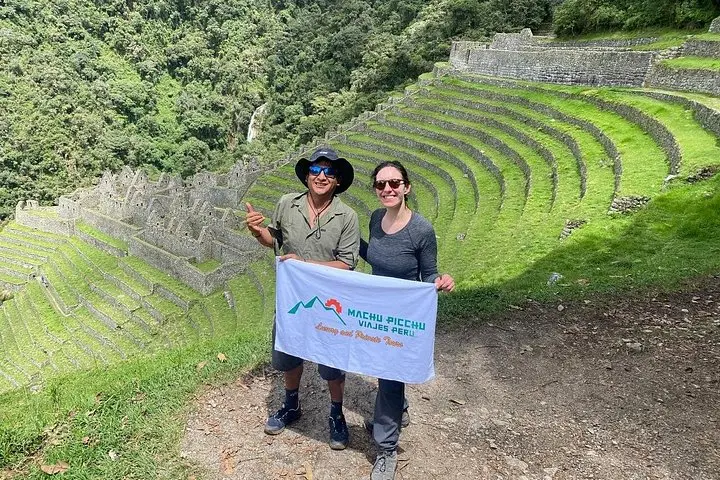
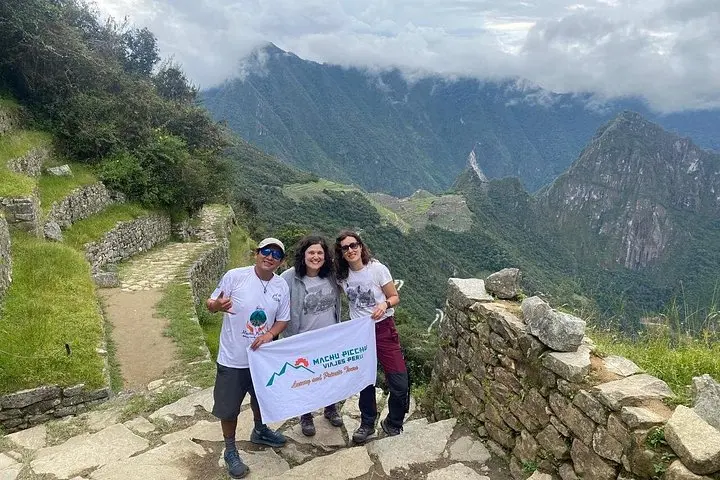
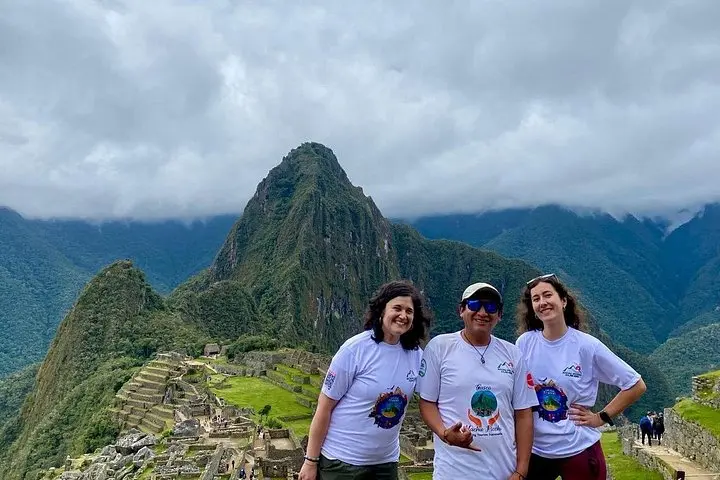
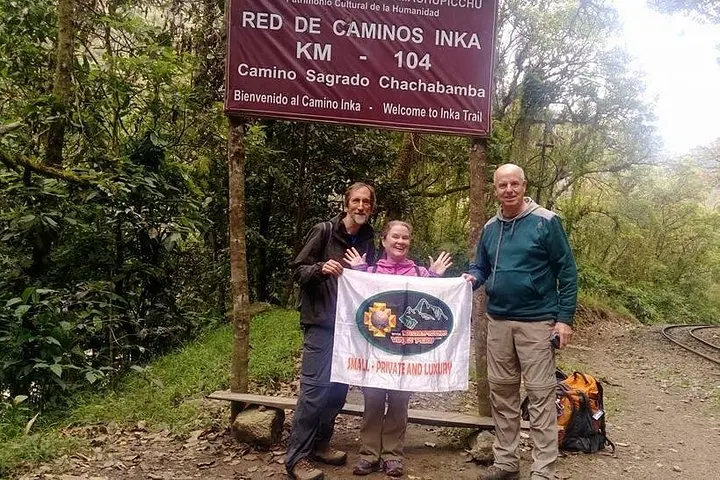
Dawn pours sideways through the cloud forest as the train slides into Km 104. You step onto damp stone, the air heavy with orchids and the distant roar of waterfalls. The trail threads terraces and carved stairways—then Wiñay Wayna appears: compact Inca architecture clinging to a steep ridge, mossed steps leading the eye toward the Sun Gate and the first real glimpse of Machu Picchu.
Dawn pours sideways through the cloud forest as the train slides into Km 104. You step onto damp stone, the air heavy with orchids and the distant roar of waterfalls. The trail threads terraces and carved stairways—then Wiñay Wayna appears: compact Inca architecture clinging to a steep ridge, mossed steps leading the eye toward the Sun Gate and the first real glimpse of Machu Picchu.
This compact version of the famous Camino del Inca covers roughly 13 km over two days and follows paths the Inca used to connect highland settlements. The route traces ancient agricultural terraces and stone masonry that align with the Andean sun-cycle; geologically you move from river-cut valley floor into cloud forest on weathered granite outcrops, where humidity feeds orchids and hummingbirds.
Culturally the trail is about arriving at a living archaeological landscape—places like Wiñay Wayna showcase terrace farming and water channels, while Inti Punku (the Sun Gate) frames the Incas’ most sacred citadel. Conservation measures limit daily permits, and camping near the Urubamba River follows strict leave-no-trace rules.
Practical guidance: expect 5–7 hours hiking on day one (steady climbs, stone steps, ~500–600 m cumulative ascent) and an early 30–60 minute walk to enter Machu Picchu at sunrise on day two, followed by a 2–3 hour guided tour. Acclimatize in Cusco for 48 hours, carry waterproof layers, and keep passport handy—permits are checked at trailheads. Porters and a cook handle heavy gear and dinner; you carry a daypack, snacks, and water. Timing your trek in the dry season (May–Sept) reduces mud and cloud cover and improves views, but expect cool nights at the campsite.