THE ADVENTURE COLLECTIVE® · Independent discovery and booking for outdoor travel

A compact two-day hike that delivers the iconic Inca Trail experience: stone staircases, Wiñay Wayna ruins and an early arrival at Machu Picchu. Ideal for time-pressed hikers and families seeking the essential highlights with moderate effort.
A compact two-day hike that delivers the iconic Inca Trail experience: stone staircases, Wiñay Wayna ruins and an early arrival at Machu Picchu. Ideal for time-pressed hikers and families seeking the essential highlights with moderate effort.
Dawn rides the Andes in low cloud; stone steps appear and disappear through moss and orchids as you push toward the Sun Gate. On the Short Inca Trail the first day is a compact, concentrated encounter—about 10 km (6.3 mi) of ancient trail that threads terraces, tunnels and the dramatic ruin of Wiñay Wayna before you sleep in Aguas Calientes.
Verified experiences and guided adventures in the surrounding area.
Operated by Head Expeditions Peru · Aguas Calientes, Cusco
Dawn rides the Andes in low cloud; stone steps appear and disappear through moss and orchids as you push toward the Sun Gate. On the Short Inca Trail the first day is a compact, concentrated encounter—about 10 km (6.3 mi) of ancient trail that threads terraces, tunnels and the dramatic ruin of Wiñay Wayna before you sleep in Aguas Calientes.
This route compresses centuries of Inca engineering and the living culture of Quechua communities into two days. The trail runs along steep valley walls cut from volcanic and sedimentary rock, with water channels and agricultural terraces that reveal deliberate, erosion-resistant techniques used long before modern maps. Local guides typically weave in stories of Pachamama and regional traditions while explaining stone masonry and the role of the trail in Inca administration.
Expect narrow singletrack and long flights of stone stairs more than technical scrambling—it’s compact but steady, with several hundred meters of cumulative ascent and descent. Machu Picchu itself sits at roughly 2,430 m (7,970 ft); Huayna Picchu rises to about 2,720 m (8,920 ft) and requires a separate permit.
Practical edge: acclimatize in Cusco or the Sacred Valley for 24–48 hours, use sturdy boots with good grip, and pack rain protection—the cloud forest is changeable. Permits for the short Inca Trail and Huayna Picchu are limited; book them early. The itinerary commonly includes a pre-dawn bus to Machu Picchu for a guided 2-hour tour, then free time to explore. Hydrate, pace your stair-climbs, and leave no trace—these paths are both fragile and historic.
The trail walk used on the 2-day option is roughly 10 km (6.3 mi) of hiking on the first day, followed by access to Machu Picchu on day two.
Yes—spending 24–48 hours in Cusco or the Sacred Valley before the trek helps reduce altitude sickness risk.
Yes, but Huayna Picchu requires a separate timed permit that sells out quickly; book in advance if desired.
Moderate fitness: steady walking on uneven stone steps and short steep sections; the route is family-friendly but not suitable for those with serious spinal or cardiovascular issues.
Head Expeditions Peru operates guided outdoor trips and adventures with an emphasis on safety, stewardship, and memorable experiences.
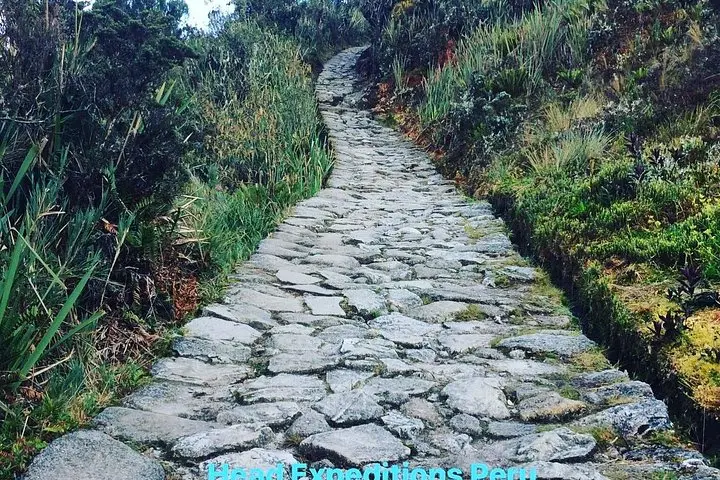
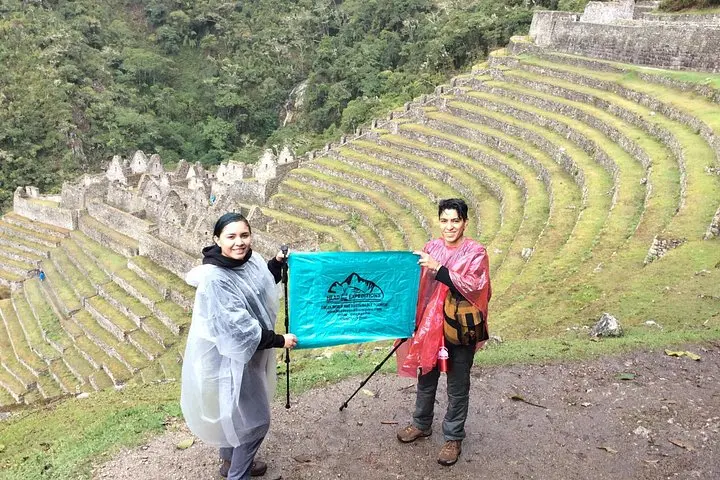
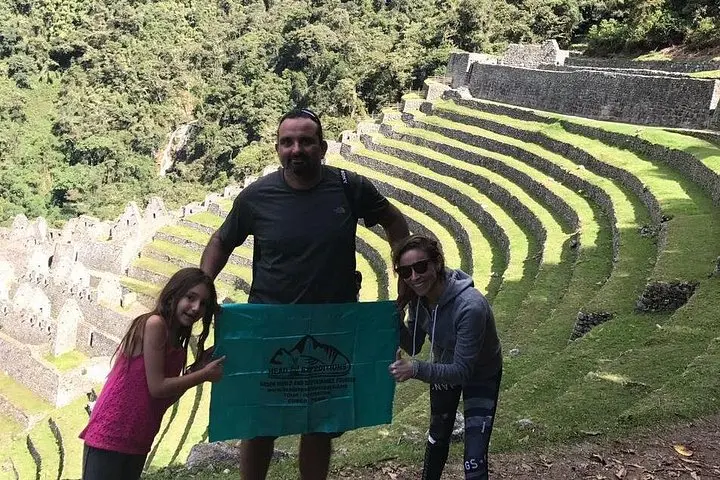
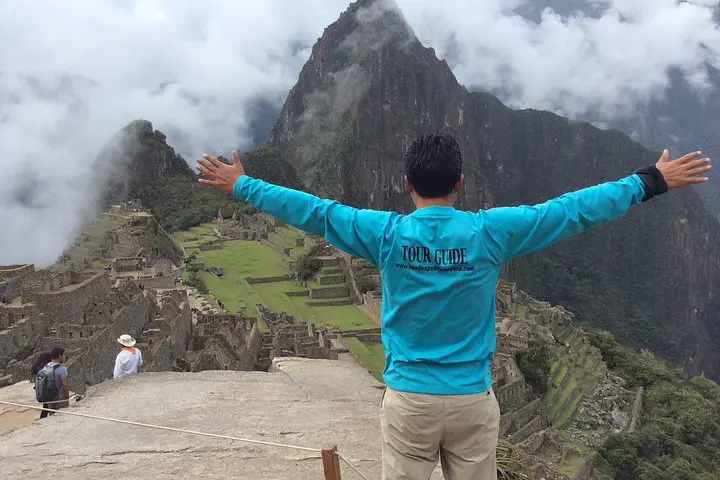
Dawn rides the Andes in low cloud; stone steps appear and disappear through moss and orchids as you push toward the Sun Gate. On the Short Inca Trail the first day is a compact, concentrated encounter—about 10 km (6.3 mi) of ancient trail that threads terraces, tunnels and the dramatic ruin of Wiñay Wayna before you sleep in Aguas Calientes.
Dawn rides the Andes in low cloud; stone steps appear and disappear through moss and orchids as you push toward the Sun Gate. On the Short Inca Trail the first day is a compact, concentrated encounter—about 10 km (6.3 mi) of ancient trail that threads terraces, tunnels and the dramatic ruin of Wiñay Wayna before you sleep in Aguas Calientes.
This route compresses centuries of Inca engineering and the living culture of Quechua communities into two days. The trail runs along steep valley walls cut from volcanic and sedimentary rock, with water channels and agricultural terraces that reveal deliberate, erosion-resistant techniques used long before modern maps. Local guides typically weave in stories of Pachamama and regional traditions while explaining stone masonry and the role of the trail in Inca administration.
Expect narrow singletrack and long flights of stone stairs more than technical scrambling—it’s compact but steady, with several hundred meters of cumulative ascent and descent. Machu Picchu itself sits at roughly 2,430 m (7,970 ft); Huayna Picchu rises to about 2,720 m (8,920 ft) and requires a separate permit.
Practical edge: acclimatize in Cusco or the Sacred Valley for 24–48 hours, use sturdy boots with good grip, and pack rain protection—the cloud forest is changeable. Permits for the short Inca Trail and Huayna Picchu are limited; book them early. The itinerary commonly includes a pre-dawn bus to Machu Picchu for a guided 2-hour tour, then free time to explore. Hydrate, pace your stair-climbs, and leave no trace—these paths are both fragile and historic.