THE ADVENTURE COLLECTIVE® · Independent discovery and booking for outdoor travel

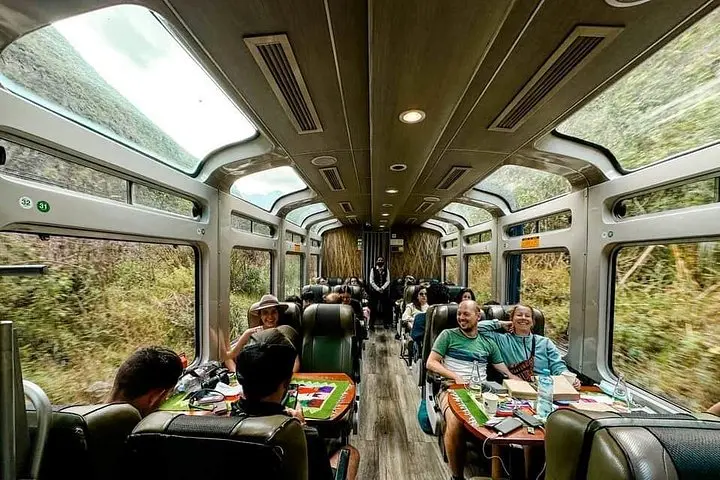
Hike the final stretch of the Classic Inca Trail in two days: train to Km 104, pass Wiñaywayna, arrive at Machu Picchu through the Sun Gate, and return by panoramic Vistadome train. Expect steep stone steps, cloud forest, and unforgettable views.
Hike the final stretch of the Classic Inca Trail in two days: train to Km 104, pass Wiñaywayna, arrive at Machu Picchu through the Sun Gate, and return by panoramic Vistadome train. Expect steep stone steps, cloud forest, and unforgettable views.
Dawn breaks over Cusco as a van threads down cobbled streets toward Ollantaytambo; the air is thin, the Andes already awake. The short Inca Trail begins at Km 104 beside the Urubamba River, where the rails part and the stone path climbs through cloud forest toward carved terraces and the carved thresholds of the past. The trail nudges you forward—roots, stone steps, and occasional Inca masonry guiding each footfall toward Wiñaywayna and the Sun Gate.
Verified experiences and guided adventures in the surrounding area.
Operated by Ultimate Trekking · Aguas Calientes (Machupicchu Pueblo), Cusco Region
Dawn breaks over Cusco as a van threads down cobbled streets toward Ollantaytambo; the air is thin, the Andes already awake. The short Inca Trail begins at Km 104 beside the Urubamba River, where the rails part and the stone path climbs through cloud forest toward carved terraces and the carved thresholds of the past. The trail nudges you forward—roots, stone steps, and occasional Inca masonry guiding each footfall toward Wiñaywayna and the Sun Gate.
This two-day itinerary compresses the last leg of the Classic Inca Trail into an intense, rewarding push. You walk sections of the ancient Qhapaq Ñan, pass Chachabamba’s small ruins, and ascend to Wiñaywayna’s dramatic terraces before cresting at Inti Punku where Machu Picchu reveals itself at roughly 2,430 m. Geologically the route follows steep river valleys carved into volcanic and metamorphic rock; ecologically it moves from riverine scrub into humid cloud forest rich in orchids and hummingbirds.
Culturally, the path is a living corridor of Inca engineering—stone steps, drainage channels and agricultural terraces—tied to a ceremonial approach that culminates at the citadel. Expect periods of steep ascent, uneven stone staircases and narrow paths; total hiking on trail sections is about 11–12 km over the two days with cumulative ascent of several hundred meters.
Practical guidance: acclimatize in Cusco for 48 hours, bring layered rain protection and sturdy boots, and keep hydrated—altitude magnifies effort. The itinerary includes train transfers (Vistadome), meals, entrance fees and a professional guide; plan for early mornings, limited crowds at afternoon arrival, and pre-booked permits for Machu Picchu and optional Huayna/Machu Picchu Mountain climbs.
Yes—entry to the Inca Trail and Machu Picchu is regulated; this tour includes the required Inca Trail and Machu Picchu entrance tickets.
The short trail covers roughly 11–12 km spread over two days with several steep stone stair sections and a net ascent of a few hundred meters—classified as moderate.
Possibly, but those require separate tickets with limited availability; book well in advance and notify the operator before travel.
Acclimatize in Cusco for at least 48 hours, stay hydrated, avoid heavy meals and alcohol before hiking, and speak with the guide or medic if symptoms appear; the tour carries oxygen and a first-aid kit.
Ultimate Trekking operates guided outdoor trips and adventures with an emphasis on safety, stewardship, and memorable experiences.
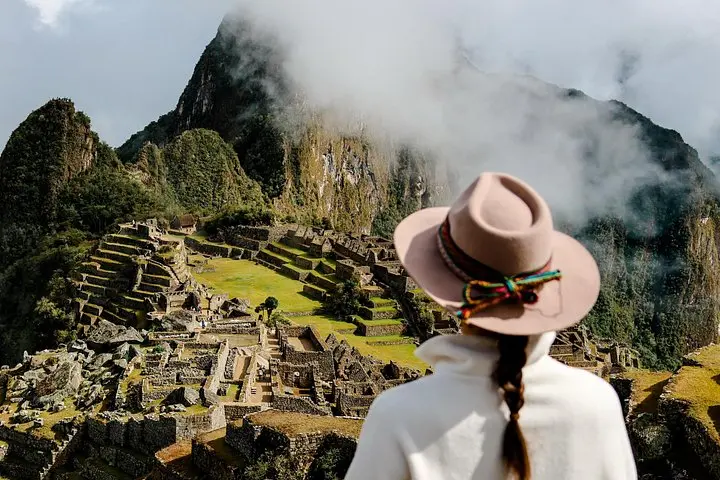
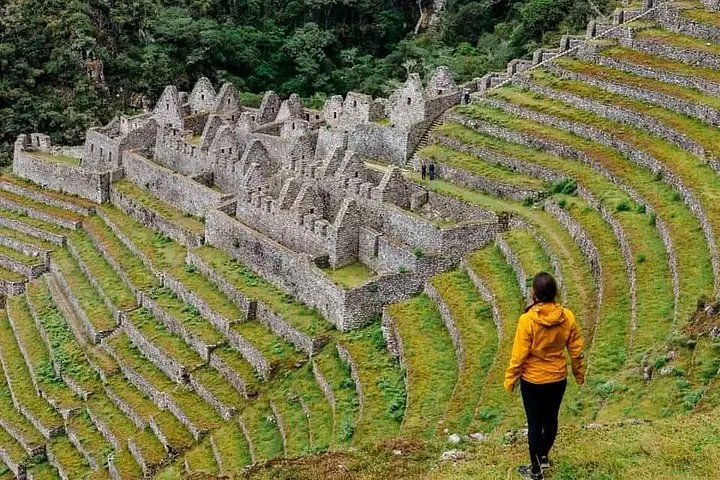
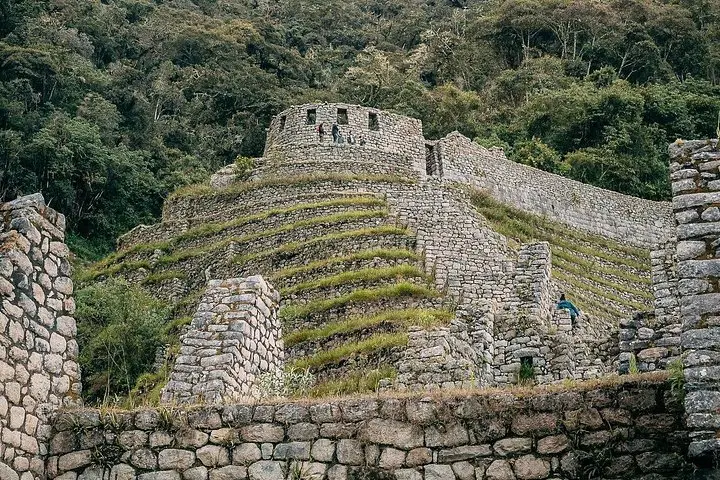
Dawn breaks over Cusco as a van threads down cobbled streets toward Ollantaytambo; the air is thin, the Andes already awake. The short Inca Trail begins at Km 104 beside the Urubamba River, where the rails part and the stone path climbs through cloud forest toward carved terraces and the carved thresholds of the past. The trail nudges you forward—roots, stone steps, and occasional Inca masonry guiding each footfall toward Wiñaywayna and the Sun Gate.
Dawn breaks over Cusco as a van threads down cobbled streets toward Ollantaytambo; the air is thin, the Andes already awake. The short Inca Trail begins at Km 104 beside the Urubamba River, where the rails part and the stone path climbs through cloud forest toward carved terraces and the carved thresholds of the past. The trail nudges you forward—roots, stone steps, and occasional Inca masonry guiding each footfall toward Wiñaywayna and the Sun Gate.
This two-day itinerary compresses the last leg of the Classic Inca Trail into an intense, rewarding push. You walk sections of the ancient Qhapaq Ñan, pass Chachabamba’s small ruins, and ascend to Wiñaywayna’s dramatic terraces before cresting at Inti Punku where Machu Picchu reveals itself at roughly 2,430 m. Geologically the route follows steep river valleys carved into volcanic and metamorphic rock; ecologically it moves from riverine scrub into humid cloud forest rich in orchids and hummingbirds.
Culturally, the path is a living corridor of Inca engineering—stone steps, drainage channels and agricultural terraces—tied to a ceremonial approach that culminates at the citadel. Expect periods of steep ascent, uneven stone staircases and narrow paths; total hiking on trail sections is about 11–12 km over the two days with cumulative ascent of several hundred meters.
Practical guidance: acclimatize in Cusco for 48 hours, bring layered rain protection and sturdy boots, and keep hydrated—altitude magnifies effort. The itinerary includes train transfers (Vistadome), meals, entrance fees and a professional guide; plan for early mornings, limited crowds at afternoon arrival, and pre-booked permits for Machu Picchu and optional Huayna/Machu Picchu Mountain climbs.