THE ADVENTURE COLLECTIVE® · Independent discovery and booking for outdoor travel

A compact version of the classic route, the 2-day short Inca Trail combines train travel with a day of cloud-forest trekking to arrive at Machu Picchu through the Sun Gate. Expect steep stone steps, Inca ruins, and vivid Andean scenery over two efficient days.
A compact version of the classic route, the 2-day short Inca Trail combines train travel with a day of cloud-forest trekking to arrive at Machu Picchu through the Sun Gate. Expect steep stone steps, Inca ruins, and vivid Andean scenery over two efficient days.
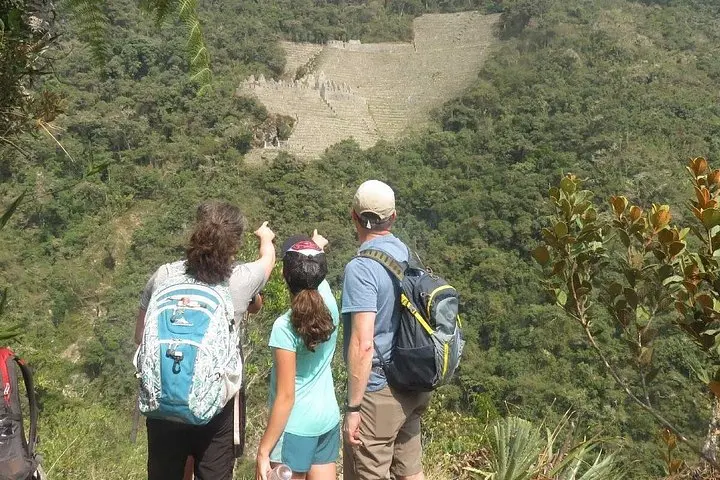
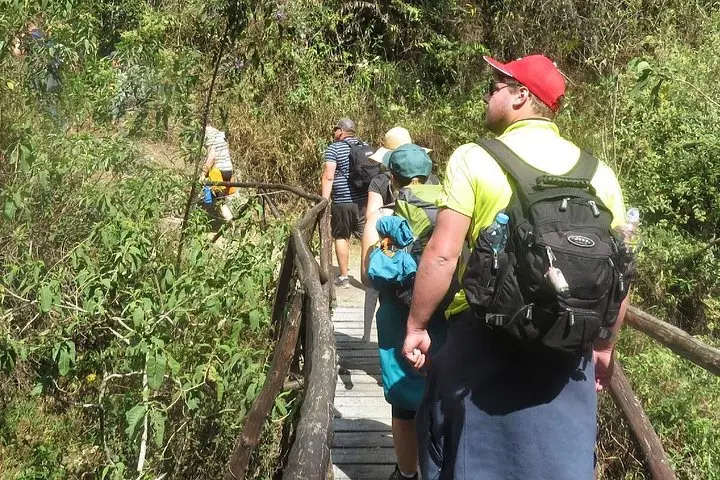
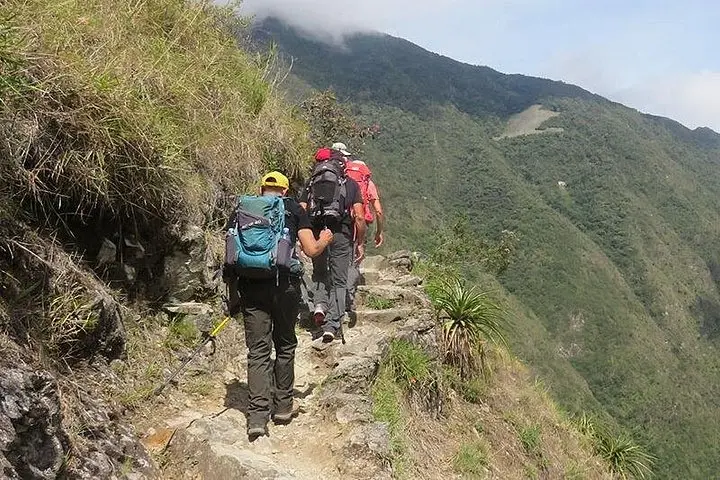
Before dawn you are on a quiet Cusco street, gear packed and headlamp on, shuttled toward Ollantaytambo. The train rocks you through the Sacred Valley as dawn paints the river gorge; at KM 104 you step onto the trail where cloud forest and stone work take over. The path climbs—steep stone steps, mossed terraces and narrow switchbacks—until the Puerta del Sol (Sun Gate) spills open onto the first view of Machu Picchu.
Verified experiences and guided adventures in the surrounding area.
Operated by Come See Perú Tours · Aguas Calientes, Cusco
Before dawn you are on a quiet Cusco street, gear packed and headlamp on, shuttled toward Ollantaytambo. The train rocks you through the Sacred Valley as dawn paints the river gorge; at KM 104 you step onto the trail where cloud forest and stone work take over. The path climbs—steep stone steps, mossed terraces and narrow switchbacks—until the Puerta del Sol (Sun Gate) spills open onto the first view of Machu Picchu.
This short Inca Trail threads together sites the Incas built as part of a larger royal road system: Chachabamba’s terraces, the living aggro-ecology of Wiñaywayna, and final approaches guarded by engineered retaining walls. Geologically the route follows the Urubamba’s deep valley carved into folded Andean rock; you move between fern-draped cliffs and exposed stone stairways that channel runoff and stand centuries of weather.
Culturally the walk is placed in a Quechua-speaking landscape—local guides explain agricultural terraces, water channels, and ritual niches as living traditions as well as archaeology.
Practical edge: expect roughly 10–14 km of walking on day one with 500–700 m of net ascent to the Sun Gate and final altitude near 2,720 m; Machu Picchu itself sits at about 2,450 m. Trails are uneven and frequently wet—good boots, layered clothing and poles matter. Trains run on fixed schedules so punctuality is essential; the tour includes guided entry and one hotel night in Aguas Calientes. Acclimatize in Cusco for 24–48 hours, carry water and a lightweight rain layer, and be prepared for quick weather shifts in the cloud forest.
The 2-day short Inca Trail is ticketed and operators include entrance in the tour; however spaces are limited, so book through an authorized provider ahead of time.
Physically it’s moderate but altitude can amplify effort—prior acclimatization and a steady pace make the route manageable for hikers with basic fitness.
Those summit climbs require separate reservations and limited permits; confirm availability and book in advance if you want to add them to the itinerary.
This itinerary typically includes round-trip train, guided entry to the short Inca Trail and Machu Picchu, a boxed lunch during the hike, dinner, and one night hotel in Aguas Calientes.
Come See Perú Tours operates guided outdoor trips and adventures with an emphasis on safety, stewardship, and memorable experiences.
Before dawn you are on a quiet Cusco street, gear packed and headlamp on, shuttled toward Ollantaytambo. The train rocks you through the Sacred Valley as dawn paints the river gorge; at KM 104 you step onto the trail where cloud forest and stone work take over. The path climbs—steep stone steps, mossed terraces and narrow switchbacks—until the Puerta del Sol (Sun Gate) spills open onto the first view of Machu Picchu.
Before dawn you are on a quiet Cusco street, gear packed and headlamp on, shuttled toward Ollantaytambo. The train rocks you through the Sacred Valley as dawn paints the river gorge; at KM 104 you step onto the trail where cloud forest and stone work take over. The path climbs—steep stone steps, mossed terraces and narrow switchbacks—until the Puerta del Sol (Sun Gate) spills open onto the first view of Machu Picchu.
This short Inca Trail threads together sites the Incas built as part of a larger royal road system: Chachabamba’s terraces, the living aggro-ecology of Wiñaywayna, and final approaches guarded by engineered retaining walls. Geologically the route follows the Urubamba’s deep valley carved into folded Andean rock; you move between fern-draped cliffs and exposed stone stairways that channel runoff and stand centuries of weather.
Culturally the walk is placed in a Quechua-speaking landscape—local guides explain agricultural terraces, water channels, and ritual niches as living traditions as well as archaeology.
Practical edge: expect roughly 10–14 km of walking on day one with 500–700 m of net ascent to the Sun Gate and final altitude near 2,720 m; Machu Picchu itself sits at about 2,450 m. Trails are uneven and frequently wet—good boots, layered clothing and poles matter. Trains run on fixed schedules so punctuality is essential; the tour includes guided entry and one hotel night in Aguas Calientes. Acclimatize in Cusco for 24–48 hours, carry water and a lightweight rain layer, and be prepared for quick weather shifts in the cloud forest.