THE ADVENTURE COLLECTIVE® · Independent discovery and booking for outdoor travel

Hike the famous final stretch of the Inca Trail over two days, sleeping in Aguas Calientes and entering Machu Picchu via the Sun Gate at sunrise. This short trek combines original Inca stone steps, cloud-forest ruins like Wiñay Wayna, and panoramic train travel for a compact, memorable experience.
Hike the famous final stretch of the Inca Trail over two days, sleeping in Aguas Calientes and entering Machu Picchu via the Sun Gate at sunrise. This short trek combines original Inca stone steps, cloud-forest ruins like Wiñay Wayna, and panoramic train travel for a compact, memorable experience.
The morning begins before dawn as your minivan threads the Sacred Valley and the Andes open around you—ragged cornfields give way to steep terraces and the Urubamba River hurries below. At Ollantaytambo you board a panoramic train, then disembark at Km 104 to step onto the original Inca path: stone steps worn smooth by centuries of feet, cloud forest dripping with orchids, and waterfalls that push the trail forward.
Verified experiences and guided adventures in the surrounding area.
Operated by Panaka Travel · Aguas Calientes, Cusco
The morning begins before dawn as your minivan threads the Sacred Valley and the Andes open around you—ragged cornfields give way to steep terraces and the Urubamba River hurries below. At Ollantaytambo you board a panoramic train, then disembark at Km 104 to step onto the original Inca path: stone steps worn smooth by centuries of feet, cloud forest dripping with orchids, and waterfalls that push the trail forward.
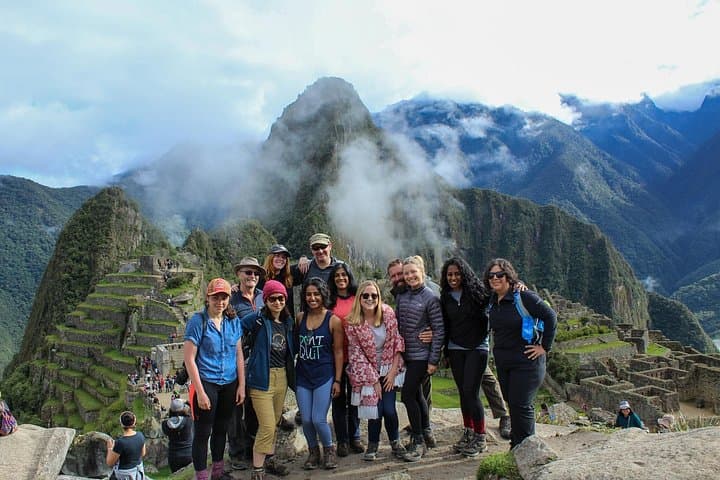
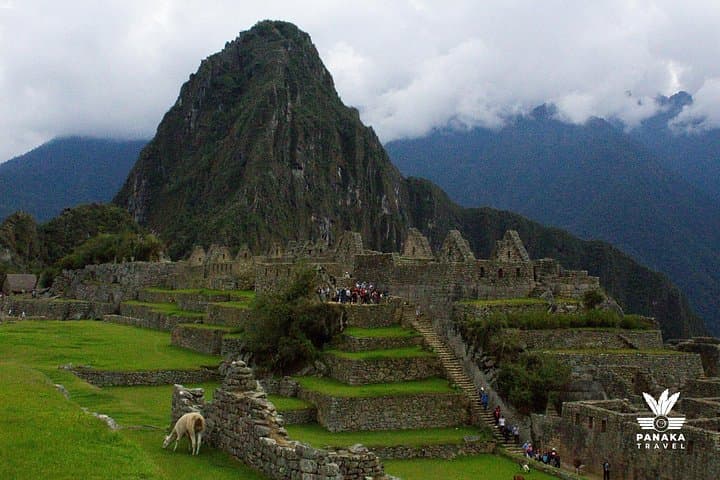
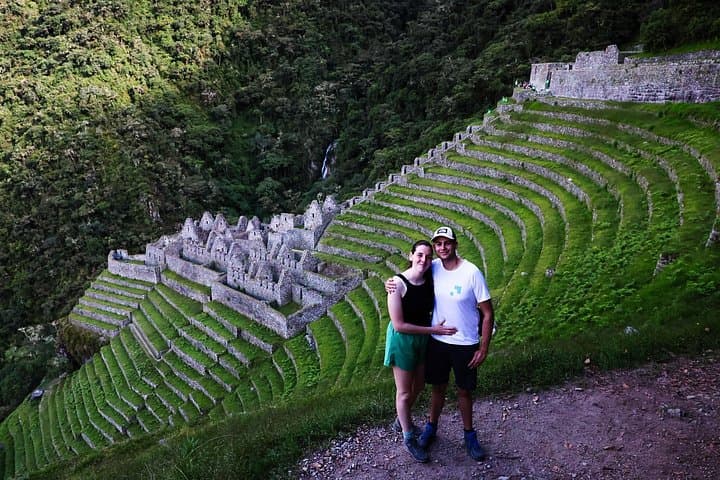
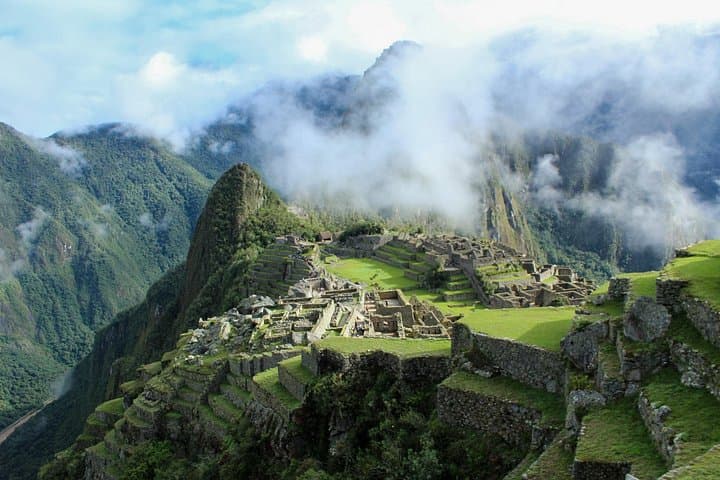
This route compresses a longer pilgrimage into two intense days. The Short Inca Trail passes Chachabamba, a provincial Inca site of terraces and ceremonial stones, then climbs for roughly three hours of steady elevation gain on uneven stonework to Wiñay Wayna (about 2,650 m). From there the final approach to the Sun Gate rewards you with a first, cinematic view of Machu Picchu at roughly 2,430 m at sunset or sunrise depending on timing.
Geology here is steep volcanic and metamorphic slopes carved by the Urubamba; culture is deeply Inca—trail alignments, terracing, and ritual fountains mark human engineering adapted to steep terrain. Guides interpret those features and the biosphere of cloud forest.
Practical guidance: acclimatize in Cusco for 48 hours, carry layered clothing (temperature swings are significant), and expect narrow, wet steps that require steady footing. The tour includes permits, a licensed guide, one night in Aguas Calientes, and round-trip transport. Groups are small (max 12), but the trail still demands moderate fitness and respect for altitude. Aim to pack light, hydrate, and move deliberately—the trail rewards steady, patient walkers with a sunrise that few day-trippers experience.
This two-day route is shorter but still steep and technical in places—expect long uphill sections on stone steps; it’s less distance than the full trek but requires similar conditioning for altitude and stair climbing.
Yes—this tour includes the Inca Trail permit and Machu Picchu entrance, which are required and limited in number.
Yes—bring some soles for snacks, tips, and small purchases in Aguas Calientes; most restaurants accept cards but smaller vendors may not.
The guided portion is about 2–3 hours at sunrise on Day 2, then you’ll have free time back in Aguas Calientes for lunch before returning to Cusco by train and private transfer.
Panaka Travel operates guided outdoor trips and adventures with an emphasis on safety, stewardship, and memorable experiences.
The morning begins before dawn as your minivan threads the Sacred Valley and the Andes open around you—ragged cornfields give way to steep terraces and the Urubamba River hurries below. At Ollantaytambo you board a panoramic train, then disembark at Km 104 to step onto the original Inca path: stone steps worn smooth by centuries of feet, cloud forest dripping with orchids, and waterfalls that push the trail forward.
The morning begins before dawn as your minivan threads the Sacred Valley and the Andes open around you—ragged cornfields give way to steep terraces and the Urubamba River hurries below. At Ollantaytambo you board a panoramic train, then disembark at Km 104 to step onto the original Inca path: stone steps worn smooth by centuries of feet, cloud forest dripping with orchids, and waterfalls that push the trail forward.
This route compresses a longer pilgrimage into two intense days. The Short Inca Trail passes Chachabamba, a provincial Inca site of terraces and ceremonial stones, then climbs for roughly three hours of steady elevation gain on uneven stonework to Wiñay Wayna (about 2,650 m). From there the final approach to the Sun Gate rewards you with a first, cinematic view of Machu Picchu at roughly 2,430 m at sunset or sunrise depending on timing.
Geology here is steep volcanic and metamorphic slopes carved by the Urubamba; culture is deeply Inca—trail alignments, terracing, and ritual fountains mark human engineering adapted to steep terrain. Guides interpret those features and the biosphere of cloud forest.
Practical guidance: acclimatize in Cusco for 48 hours, carry layered clothing (temperature swings are significant), and expect narrow, wet steps that require steady footing. The tour includes permits, a licensed guide, one night in Aguas Calientes, and round-trip transport. Groups are small (max 12), but the trail still demands moderate fitness and respect for altitude. Aim to pack light, hydrate, and move deliberately—the trail rewards steady, patient walkers with a sunrise that few day-trippers experience.