THE ADVENTURE COLLECTIVE® · Independent discovery and booking for outdoor travel

This condensed Inca Trail packs classic archaeological waypoints and cloud-forest scenery into a 2-day trek that finishes at Machu Picchu’s Sun Gate. Ideal for travelers short on time but keen to experience the classic approach to the citadel.
This condensed Inca Trail packs classic archaeological waypoints and cloud-forest scenery into a 2-day trek that finishes at Machu Picchu’s Sun Gate. Ideal for travelers short on time but keen to experience the classic approach to the citadel.
The trail opens with dawn: cool Andean air, the metallic clack of train wheels, and a small group stepping off at Km 104 into green, humming cloud forest.
Verified experiences and guided adventures in the surrounding area.
Operated by LIBERTREK PERU TRAVEL · Aguas Calientes, Cusco
The trail opens with dawn: cool Andean air, the metallic clack of train wheels, and a small group stepping off at Km 104 into green, humming cloud forest.
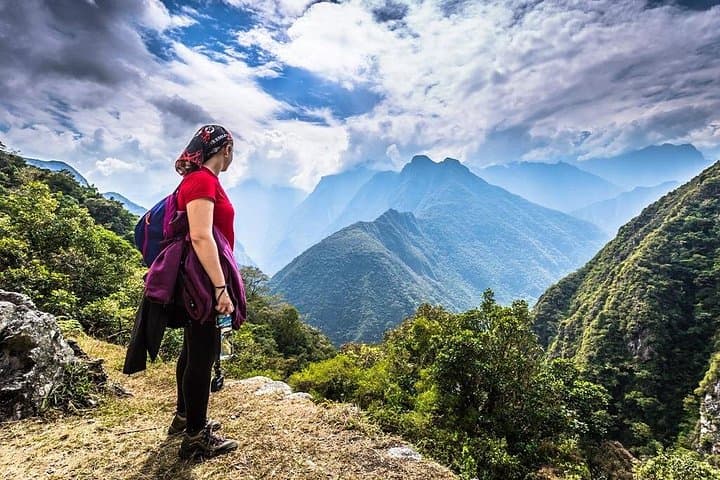
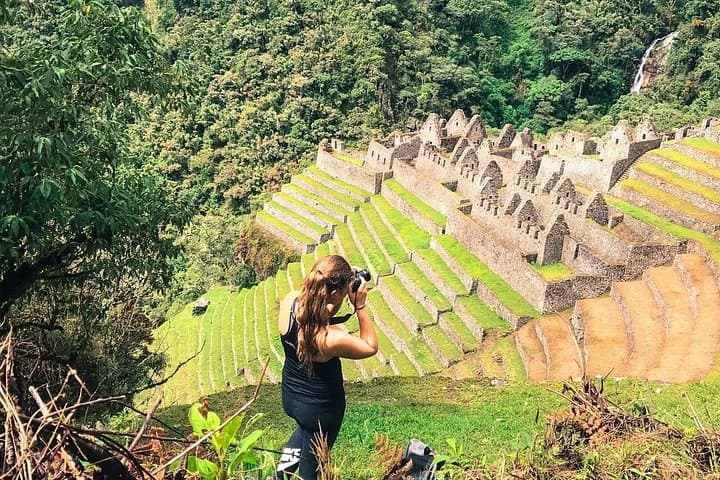
From Chachabamba (2,250 m) the path climbs through moss-draped stonework and orchids, threading ancient Inca stairways toward the terrace complex of Wiñay Wayna (2,650 m). The landscape shifts from river-riven canyon to steep terraces and finally the Sun Gate, where Machu Picchu first broadens into view—stone roofs and terraces cupped by serrated peaks.
This short Inca Trail condenses a longer pilgrimage. The route follows the same royal causeways used by the Inca, revealing masonry styles, agricultural terraces, and sacred niches that speak to engineering adapted to steep Andean geology and seismic ground. Culturally, the valley is Quechua country; local guides often point out the agricultural logic behind terrace placements and explain spiritual sites like Intiwatana.
Practical guidance is straightforward: the first day includes roughly 14 km of mixed trail with sustained uphill sections and narrow stone steps—expect 4–6 hours of active trekking to reach the Sun Gate then a descent to Machu Picchu and a night in Aguas Calientes. Day two begins very early with a guided tour of the citadel, then a train return to Ollantaytambo and transfer to Cusco.
Bring layered clothing for temperature swings, a rain shell, and sturdy footwear for slick stone. Hydrate and pace uphill sections—altitude and continuous steps demand conservative pacing. The itinerary suits hikers seeking a concentrated experience of the Inca Trail without multi-day camping.
It is shorter but still steep in sections; it covers key archaeological sites with less camping—suitable for those with limited time or lower endurance, though altitude remains a factor.
This itinerary uses the regulated Inca Trail corridor starting at Km 104; permits and entrance tickets to Machu Picchu are managed by operators—bookings include necessary tickets provided by the guide.
Trail altitudes range roughly 2,250–2,650 m with Cusco higher at ~3,400 m; acute altitude sickness is possible—acclimatize, hydrate, and avoid overexertion.
This tour typically includes one box lunch, bottled water on day one, breakfast on day two, and a one-night hotel in Aguas Calientes; confirm dietary needs at booking.
LIBERTREK PERU TRAVEL operates guided outdoor trips and adventures with an emphasis on safety, stewardship, and memorable experiences.

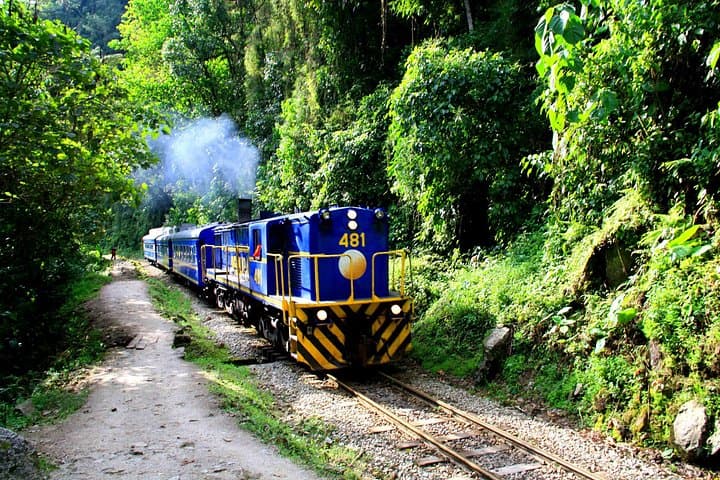
The trail opens with dawn: cool Andean air, the metallic clack of train wheels, and a small group stepping off at Km 104 into green, humming cloud forest.
The trail opens with dawn: cool Andean air, the metallic clack of train wheels, and a small group stepping off at Km 104 into green, humming cloud forest.
From Chachabamba (2,250 m) the path climbs through moss-draped stonework and orchids, threading ancient Inca stairways toward the terrace complex of Wiñay Wayna (2,650 m). The landscape shifts from river-riven canyon to steep terraces and finally the Sun Gate, where Machu Picchu first broadens into view—stone roofs and terraces cupped by serrated peaks.
This short Inca Trail condenses a longer pilgrimage. The route follows the same royal causeways used by the Inca, revealing masonry styles, agricultural terraces, and sacred niches that speak to engineering adapted to steep Andean geology and seismic ground. Culturally, the valley is Quechua country; local guides often point out the agricultural logic behind terrace placements and explain spiritual sites like Intiwatana.
Practical guidance is straightforward: the first day includes roughly 14 km of mixed trail with sustained uphill sections and narrow stone steps—expect 4–6 hours of active trekking to reach the Sun Gate then a descent to Machu Picchu and a night in Aguas Calientes. Day two begins very early with a guided tour of the citadel, then a train return to Ollantaytambo and transfer to Cusco.
Bring layered clothing for temperature swings, a rain shell, and sturdy footwear for slick stone. Hydrate and pace uphill sections—altitude and continuous steps demand conservative pacing. The itinerary suits hikers seeking a concentrated experience of the Inca Trail without multi-day camping.