THE ADVENTURE COLLECTIVE® · Independent discovery and booking for outdoor travel

Walk a historic section of the Inca Trail from Km 104 to Machu Picchu in two days—see Chachabamba, Wiñay Wayna and the Sun Gate, overnight in Aguas Calientes, and watch the citadel reveal itself at sunrise. Practical tips on fitness, gear and timing to make the most of the short trek.
Walk a historic section of the Inca Trail from Km 104 to Machu Picchu in two days—see Chachabamba, Wiñay Wayna and the Sun Gate, overnight in Aguas Calientes, and watch the citadel reveal itself at sunrise. Practical tips on fitness, gear and timing to make the most of the short trek.
Morning mist peels off the valley as the train stops at Km 104 and the trail pulls you into cloud forest—ferns dripping, birds calling, stone stairways leading uphill like a handrail through time.
Verified experiences and guided adventures in the surrounding area.
Operated by Peruvian C Tours · Aguas Calientes, Cusco Region
Morning mist peels off the valley as the train stops at Km 104 and the trail pulls you into cloud forest—ferns dripping, birds calling, stone stairways leading uphill like a handrail through time.
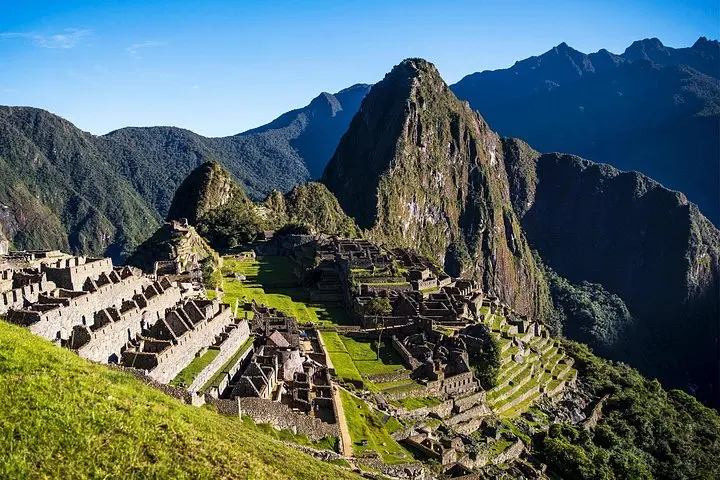
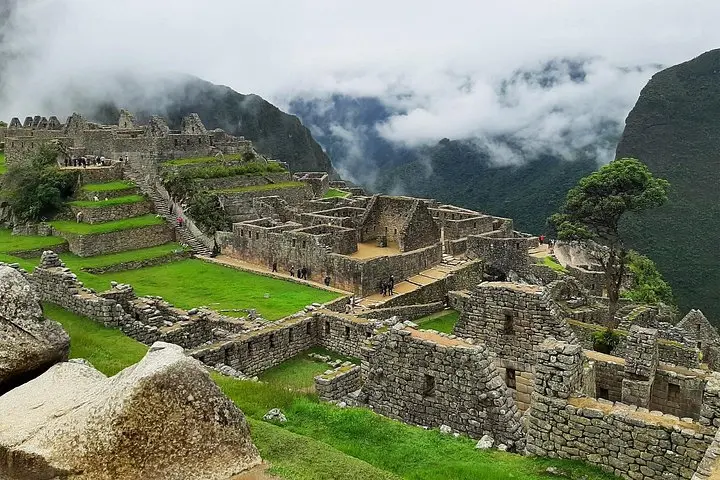
This short Inca Trail follows a stretch of the original royal camino used to reach Machu Picchu. Hikers pass Chachabamba’s water shrines, ascend carved terraces at Wiñay Wayna and reach Inti Punku, the Sun Gate, where the citadel first appears across the cliff like a withheld secret. The geology shifts quickly: river-gnawed sandstone gives way to volcanic outcrops and steep, terrace-cut slopes that the Incas engineered for drainage and agriculture.
Culturally the route threads Andean and Quechua presence—stonework speaks of administrative and ritual use, while modern Aguas Calientes hums with markets and cafés serving coca tea and trout.
Expect roughly 10–14 km of mixed trail across two days with 300–600 m of cumulative ascent spread in shorter bursts. Terrain ranges from packed dirt and stone staircases to muddy switchbacks after rain; trail surfaces can be slick.
Practical guidance: acclimatize in Cusco for 1–2 days before the hike, carry layered clothing for rapid temperature swings, and plan for early starts to avoid crowded sunrise windows. The trip typically includes train transfers (Vistadome), entrance permits for the Short Inca Trail and Machu Picchu, a night in Aguas Calientes, and hotel breakfast before the citadel visit. Hydrate and pace yourself—altitude and stairs are the real tests here. With preparation, the trail rewards with sunrise over terraces, carved temples and a morning when the mountain finally permits the city to appear.
Yes—entrance permits for the Short Inca Trail and Machu Picchu are required and typically included in organized tours; book in advance during high season.
It’s moderate: the trail has stone stairs and uneven terrain but is shorter than the full Inca Trail; prior acclimatization makes a big difference.
Most tours include Vistadome train tickets that depart from Ollantaytambo; the trek begins near Km 104 after the train ride along the Urubamba River.
Yes—Aguas Calientes has restaurants, shops and small markets, but options are pricier than Cusco, so bring snacks if you prefer.
Peruvian C Tours operates guided outdoor trips and adventures with an emphasis on safety, stewardship, and memorable experiences.
Morning mist peels off the valley as the train stops at Km 104 and the trail pulls you into cloud forest—ferns dripping, birds calling, stone stairways leading uphill like a handrail through time.
Morning mist peels off the valley as the train stops at Km 104 and the trail pulls you into cloud forest—ferns dripping, birds calling, stone stairways leading uphill like a handrail through time.
This short Inca Trail follows a stretch of the original royal camino used to reach Machu Picchu. Hikers pass Chachabamba’s water shrines, ascend carved terraces at Wiñay Wayna and reach Inti Punku, the Sun Gate, where the citadel first appears across the cliff like a withheld secret. The geology shifts quickly: river-gnawed sandstone gives way to volcanic outcrops and steep, terrace-cut slopes that the Incas engineered for drainage and agriculture.
Culturally the route threads Andean and Quechua presence—stonework speaks of administrative and ritual use, while modern Aguas Calientes hums with markets and cafés serving coca tea and trout.
Expect roughly 10–14 km of mixed trail across two days with 300–600 m of cumulative ascent spread in shorter bursts. Terrain ranges from packed dirt and stone staircases to muddy switchbacks after rain; trail surfaces can be slick.
Practical guidance: acclimatize in Cusco for 1–2 days before the hike, carry layered clothing for rapid temperature swings, and plan for early starts to avoid crowded sunrise windows. The trip typically includes train transfers (Vistadome), entrance permits for the Short Inca Trail and Machu Picchu, a night in Aguas Calientes, and hotel breakfast before the citadel visit. Hydrate and pace yourself—altitude and stairs are the real tests here. With preparation, the trail rewards with sunrise over terraces, carved temples and a morning when the mountain finally permits the city to appear.