THE ADVENTURE COLLECTIVE® · Independent discovery and booking for outdoor travel

A compact version of the Inca Trail that starts at Km 104 and ends at Inti Punku for a dramatic sunset over Machu Picchu. Ideal for travelers short on time who still want a authentic trail experience and a guided visit to the citadel the next day.
A compact version of the Inca Trail that starts at Km 104 and ends at Inti Punku for a dramatic sunset over Machu Picchu. Ideal for travelers short on time who still want a authentic trail experience and a guided visit to the citadel the next day.
The walk begins at Km 104, where the morning train drops you beside the Vilcanota River and the cloud forest immediately takes charge—moss-limbed trees lean over the trail and the air smells like wet stone. Hikers cross the Chachabamba ruins, a modest Inca altar, then climb through open meadows and stepped stone stairways toward Wiñaywayna, the terraced complex that announces human hands have long shaped this slope.
Verified experiences and guided adventures in the surrounding area.
Operated by Peru Inkas Top Travel · Aguas Calientes, Cusco
The walk begins at Km 104, where the morning train drops you beside the Vilcanota River and the cloud forest immediately takes charge—moss-limbed trees lean over the trail and the air smells like wet stone. Hikers cross the Chachabamba ruins, a modest Inca altar, then climb through open meadows and stepped stone stairways toward Wiñaywayna, the terraced complex that announces human hands have long shaped this slope.
This short Inca route threads cultural history into its grade. The Inca engineers carved tambos (rest stops) and staircases into steep ground; Inti Punku, the Sun Gate at roughly 2,650 meters, served as the ceremonial threshold to Machu Picchu and still frames the citadel at golden hour. Geologically, the trail follows the Vilcanota river corridor where Andean uplift and persistent humidity have produced steep, eroded slopes wrapped in cloud forest.
Expect about 3–4 hours of walking the first day (Km 104 to Inti Punku via Wiñaywayna) with uneven stonework and an overall ascent of roughly 300–500 meters depending on your start point, then a 45-minute descent into the main Machu Picchu viewpoint for sunset. Day two begins early with a 2–3 hour guided tour of the citadel—highlights include the Royal Mausoleum and the Intihuatana stone.
Practical notes: carry layered rain protection, sturdy boots, and a refillable water bottle; passports are checked at trail control; allow time for acclimatization in Cusco. This itinerary suits travelers who want the Inca Trail atmosphere without the full multi-day expedition.
This version is far less demanding: it covers a few hours of walking with shorter overall distance and elevation change, without overnight camping on the trail.
Yes—access is regulated; this tour includes the necessary entrance permits and controls at Km 104, so ensure your operator provides the documentation.
Typical inclusions are train tickets to Km 104, guided walk to Inti Punku, entrance to Machu Picchu, transport to Aguas Calientes, an overnight hotel in Aguas Calientes, and a guided Machu Picchu tour the next day.
Yes—the itinerary is designed to reach Inti Punku for sunset the first day; allow for timely train schedules and trail pace to ensure you arrive before dusk.
Peru Inkas Top Travel operates guided outdoor trips and adventures with an emphasis on safety, stewardship, and memorable experiences.
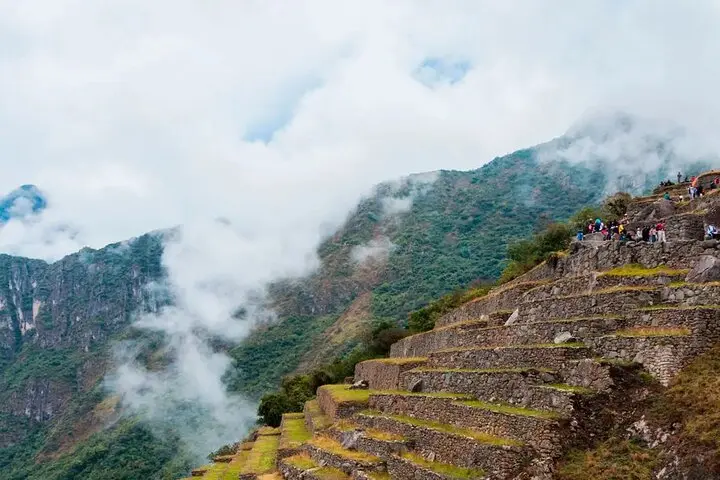
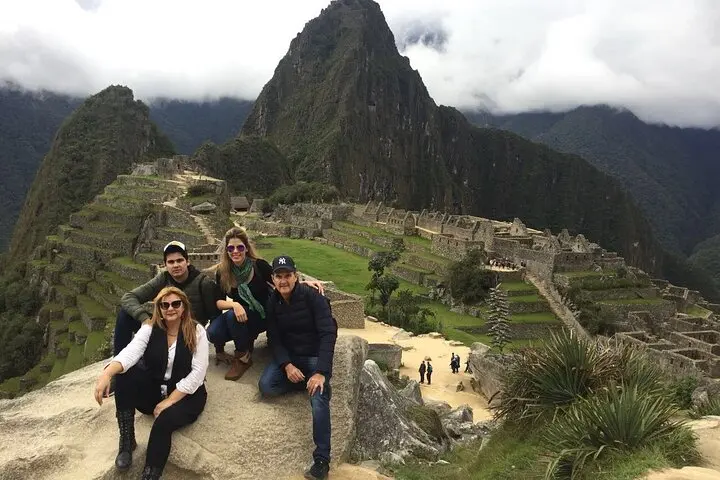
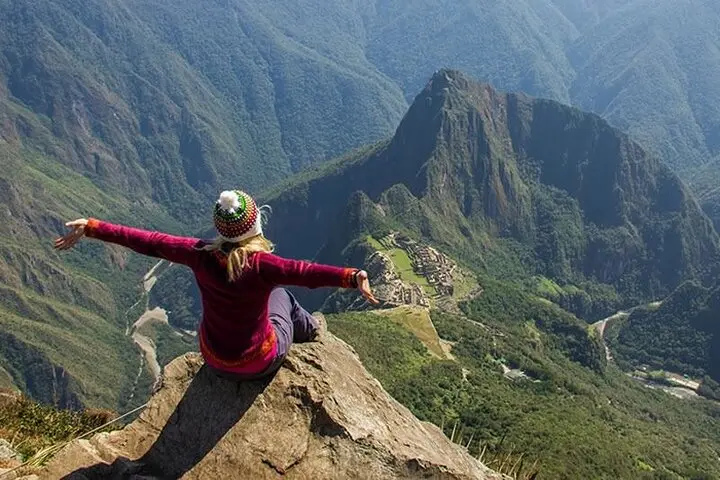
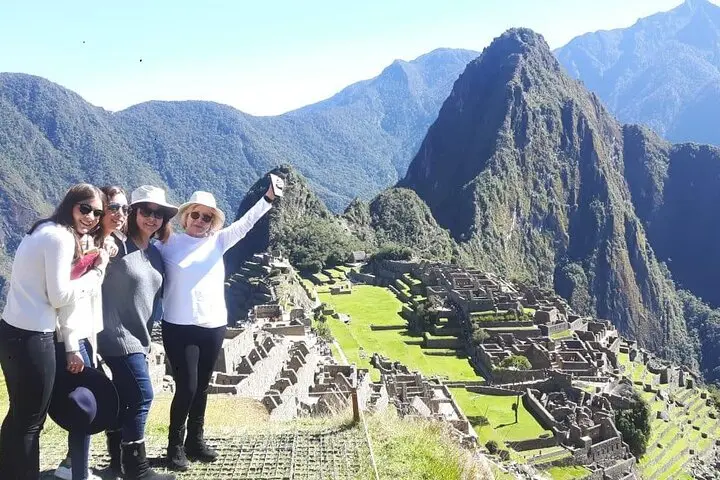
The walk begins at Km 104, where the morning train drops you beside the Vilcanota River and the cloud forest immediately takes charge—moss-limbed trees lean over the trail and the air smells like wet stone. Hikers cross the Chachabamba ruins, a modest Inca altar, then climb through open meadows and stepped stone stairways toward Wiñaywayna, the terraced complex that announces human hands have long shaped this slope.
The walk begins at Km 104, where the morning train drops you beside the Vilcanota River and the cloud forest immediately takes charge—moss-limbed trees lean over the trail and the air smells like wet stone. Hikers cross the Chachabamba ruins, a modest Inca altar, then climb through open meadows and stepped stone stairways toward Wiñaywayna, the terraced complex that announces human hands have long shaped this slope.
This short Inca route threads cultural history into its grade. The Inca engineers carved tambos (rest stops) and staircases into steep ground; Inti Punku, the Sun Gate at roughly 2,650 meters, served as the ceremonial threshold to Machu Picchu and still frames the citadel at golden hour. Geologically, the trail follows the Vilcanota river corridor where Andean uplift and persistent humidity have produced steep, eroded slopes wrapped in cloud forest.
Expect about 3–4 hours of walking the first day (Km 104 to Inti Punku via Wiñaywayna) with uneven stonework and an overall ascent of roughly 300–500 meters depending on your start point, then a 45-minute descent into the main Machu Picchu viewpoint for sunset. Day two begins early with a 2–3 hour guided tour of the citadel—highlights include the Royal Mausoleum and the Intihuatana stone.
Practical notes: carry layered rain protection, sturdy boots, and a refillable water bottle; passports are checked at trail control; allow time for acclimatization in Cusco. This itinerary suits travelers who want the Inca Trail atmosphere without the full multi-day expedition.