THE ADVENTURE COLLECTIVE® · Independent discovery and booking for outdoor travel

Walk the original stone route from KM 104 to the Sun Gate on a focused 2-day, 1-night itinerary that delivers Chachabamba, Wiñay Wayna and sunrise at Machu Picchu. Ideal for travelers with limited time who still want the classic Inca Trail experience.
Walk the original stone route from KM 104 to the Sun Gate on a focused 2-day, 1-night itinerary that delivers Chachabamba, Wiñay Wayna and sunrise at Machu Picchu. Ideal for travelers with limited time who still want the classic Inca Trail experience.
The trail begins before dawn at KM 104, where the Andes wake in slow, smoky light and a train line slides away from the valley. You step onto the original stone path the Incas used, moving through cloud-smudged forest, past moss-draped steps and terraces that funnel the eye toward the jagged silhouette of Machu Picchu.
Verified experiences and guided adventures in the surrounding area.
Operated by Ali Peru Treks - Travel Agency · Aguas Calientes, Cusco
The trail begins before dawn at KM 104, where the Andes wake in slow, smoky light and a train line slides away from the valley. You step onto the original stone path the Incas used, moving through cloud-smudged forest, past moss-draped steps and terraces that funnel the eye toward the jagged silhouette of Machu Picchu.
History and geology sit within arm’s reach: the trail threads wrapped granite ridges carved by the Vilcanota River and buttressed by agricultural terraces. Chachabamba and Wiñay Wayna are small archaeological waypoints — once guardhouses and farming complexes — that reveal Inca route-making and water engineering. Local Quechua place names—Wiñay Wayna (eternal youth), Intipunku (Sun Gate)—attach human meaning to a landscape shaped by uplift and erosion.
Culturally, the short trail is a compressed reading of the longer Inca route, offering a series of architectural and botanical highlights in a single day. Nature pushes and rewards: cloud forest orchids and hummingbirds brush the path while mist and sudden sun changes keep you alert.
Practical guidance: expect roughly 10–12 km of walking split across the hike to Intipunku with about 400–600 m cumulative elevation change on rocky steps and steep ascents; plan for 5–7 hours of hiking the first day with stops. Acclimatize in Cusco beforehand, carry layered clothing and a rain shell, and bring at least 2 liters of water and high-energy snacks. The group arrives in Aguas Calientes for a night in a 3-star hotel, returns early for a guided 3-hour exploration of Machu Picchu at sunrise, then trains back to Ollantaytambo and transfers to Cusco. Permits and timed-entry rules mean bookings must be organized in advance; move deliberately, respect fragile ruins, and be ready for sudden weather shifts.
Yes—access to the Inca Trail sections and to Machu Picchu is regulated; this tour includes the required permits and timed-entry tickets.
The trail is moderate but altitude can make it harder; shortness of breath and fatigue are common—acclimatize in Cusco and go at a steady pace.
Typical inclusions are train transfers to KM 104 and back, bus transfers to Machu Picchu, a guided tour, one night hotel in Aguas Calientes, meals listed, and safety equipment like oxygen and first aid.
Huayna Picchu has separate, limited permits; if you want to climb it you must reserve that ticket well in advance and it may not be included in this short tour.
Ali Peru Treks - Travel Agency operates guided outdoor trips and adventures with an emphasis on safety, stewardship, and memorable experiences.
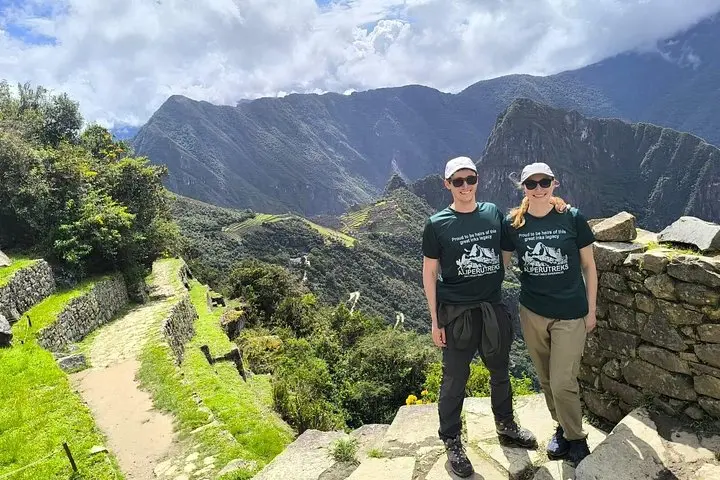
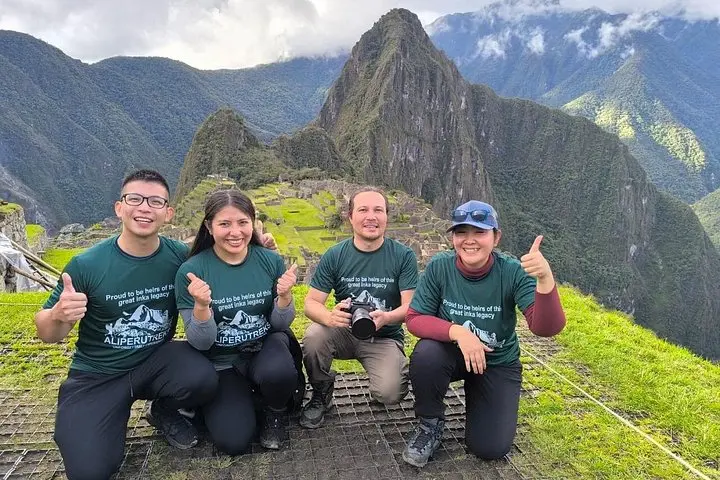
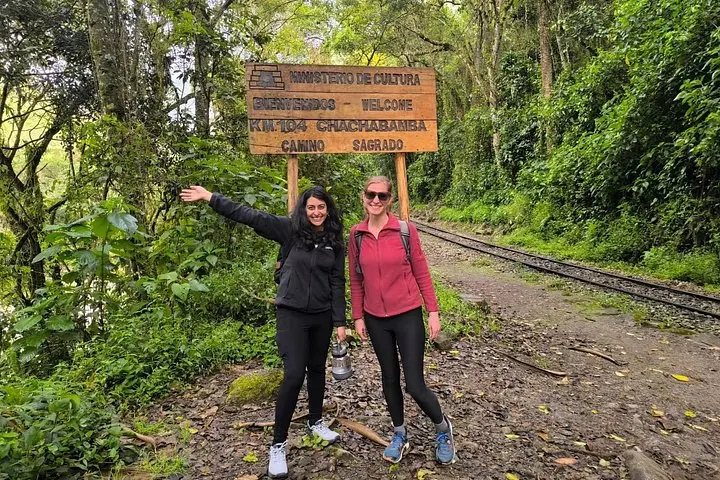
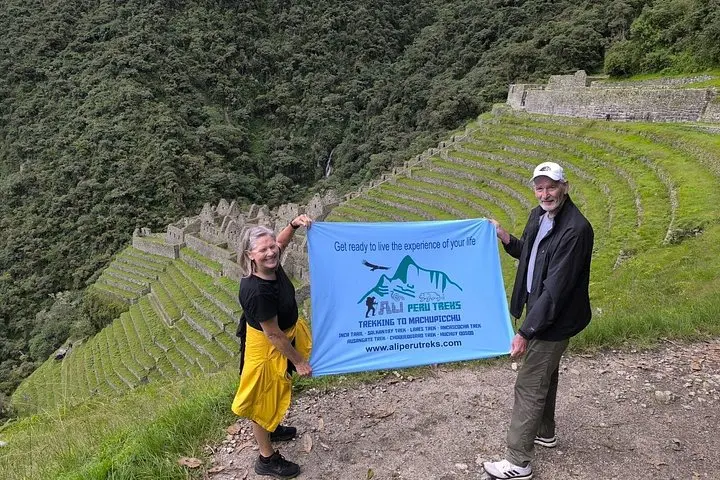
The trail begins before dawn at KM 104, where the Andes wake in slow, smoky light and a train line slides away from the valley. You step onto the original stone path the Incas used, moving through cloud-smudged forest, past moss-draped steps and terraces that funnel the eye toward the jagged silhouette of Machu Picchu.
The trail begins before dawn at KM 104, where the Andes wake in slow, smoky light and a train line slides away from the valley. You step onto the original stone path the Incas used, moving through cloud-smudged forest, past moss-draped steps and terraces that funnel the eye toward the jagged silhouette of Machu Picchu.
History and geology sit within arm’s reach: the trail threads wrapped granite ridges carved by the Vilcanota River and buttressed by agricultural terraces. Chachabamba and Wiñay Wayna are small archaeological waypoints — once guardhouses and farming complexes — that reveal Inca route-making and water engineering. Local Quechua place names—Wiñay Wayna (eternal youth), Intipunku (Sun Gate)—attach human meaning to a landscape shaped by uplift and erosion.
Culturally, the short trail is a compressed reading of the longer Inca route, offering a series of architectural and botanical highlights in a single day. Nature pushes and rewards: cloud forest orchids and hummingbirds brush the path while mist and sudden sun changes keep you alert.
Practical guidance: expect roughly 10–12 km of walking split across the hike to Intipunku with about 400–600 m cumulative elevation change on rocky steps and steep ascents; plan for 5–7 hours of hiking the first day with stops. Acclimatize in Cusco beforehand, carry layered clothing and a rain shell, and bring at least 2 liters of water and high-energy snacks. The group arrives in Aguas Calientes for a night in a 3-star hotel, returns early for a guided 3-hour exploration of Machu Picchu at sunrise, then trains back to Ollantaytambo and transfers to Cusco. Permits and timed-entry rules mean bookings must be organized in advance; move deliberately, respect fragile ruins, and be ready for sudden weather shifts.